
Top Intermittent Fasting Methods for Keto Enthusiasts
Intermittent fasting (IF) is a popular approach among keto enthusiasts, combining well with a low-carb lifestyle. By limiting your eating window, IF allows your body to enter ketosis more efficiently. The keto diet focuses on high fats and low carbs, which can aid in weight loss and boost energy levels. When you incorporate intermittent fasting, you may find that achieving your dietary goals becomes easier. Individuals who practice IF often report improved mental clarity and higher energy levels. This energy comes from fat stores, making it the perfect synergy with a ketogenic diet. Popular methods of intermittent fasting include the 16/8 method, where you eat during an eight-hour window and fast for 16 hours. Another approach is the 5:2 diet, where you eat normally for five days and restrict calorie intake on two non-consecutive days. Overall, intermittent fasting not only supports ketosis but can also be tailored to fit your personal lifestyle, ensuring that you stay committed to your health goals while enjoying the flavors of a keto diet.
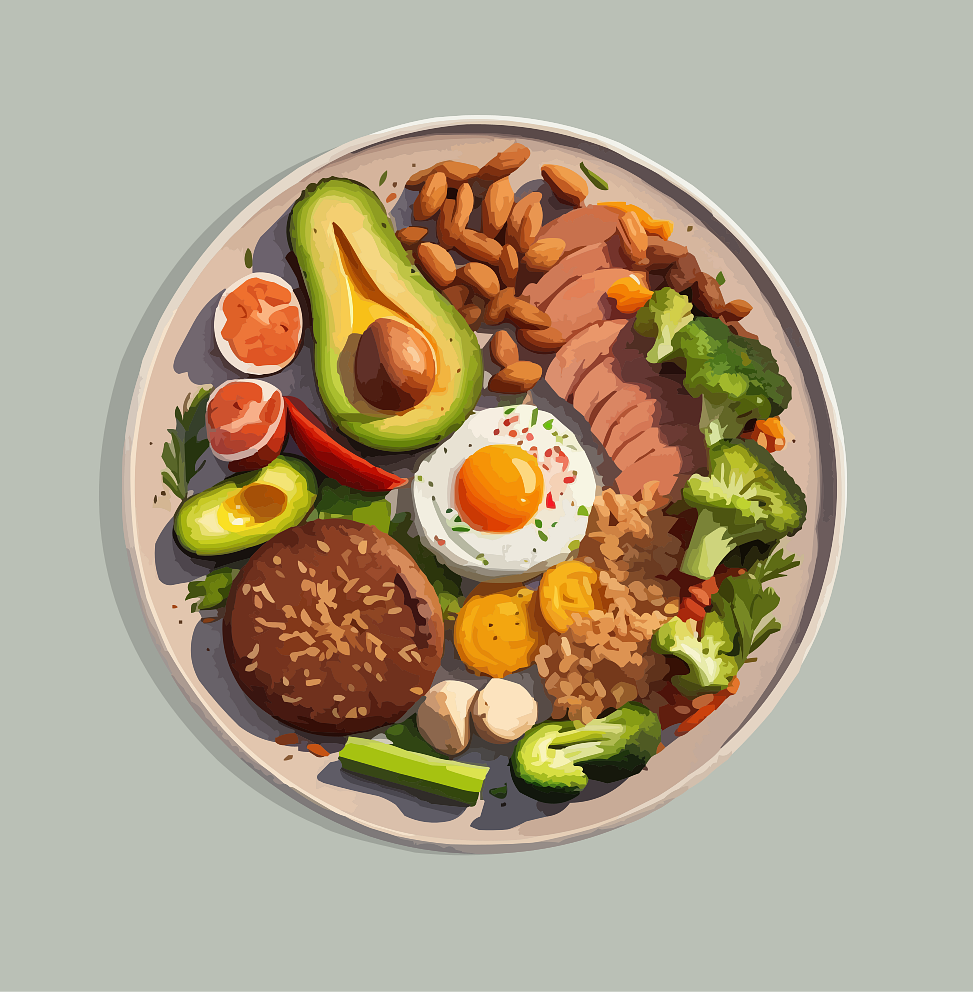
If you are new to intermittent fasting, it’s essential to ease into it. Start gradually by delaying your breakfast or avoiding late-night snacks. As your body adjusts, you can expand your fasting window to optimize fat burning. Another method to consider is alternate-day fasting, where fasting alternates every other day, allowing more extended periods to prioritize fat loss. Each method has its benefits and will vary from person to person. It’s crucial to consider your lifestyle when choosing which fasting method aligns best with your routine. Also, stay hydrated during your fasting periods by consuming water, herbal teas, or black coffee. Dehydration can hinder your ability to sustain fasting. Additionally, many keto dieters find it helpful to prioritize nutrient-dense, high-fat foods during their eating windows. Incorporate avocados, nuts, and low-carb vegetables to support overall health and satiety. Planning meals ahead of time will ensure you get all the nutrients your body needs while enjoying the benefits of both keto and intermittent fasting, leading to greater success and satisfaction in your journey.
The 16/8 Method
The 16/8 method is one of the most straightforward intermittent fasting routines, making it popular among keto dieters. With this method, you fast for 16 hours and eat during an 8-hour window. This schedule allows you to consume two or three meals within the allocated eating period, providing flexibility to fit your daily routine. You might find it easiest to skip breakfast and only eat from noon to 8 PM. During the fasting phase, beverages like water, coffee, and tea without sugar are encouraged, which keep calories low and help maintain fasting benefits. Studies suggest that the 16/8 method may improve metabolic health and enhance fat loss. Moreover, it allows keto practitioners to align their eating habits with their body’s natural rhythms. Feel free to customize meal proportions to suit your personal needs while ensuring high-fat options dominate your choices. This way, you’ll ease hunger and maintain energy throughout the day. The synergy between this fasting method and the ketogenic diet can lead to significant improvements in overall well-being and body composition.
Another popular approach is the 5:2 method, which involves eating normally for five days and intentionally reducing your caloric intake on two non-consecutive days. This method can allow more flexibility than daily fasting schedules like 16/8. You can enjoy your favorite foods without the strict guidelines of everyday fasting. On fasting days, women generally consume about 500 calories, while men consume around 600. Ensure your meals remain low in carbs to stay in ketosis. You may opt for high-protein options, such as eggs or lean meats, while incorporating healthy fats, such as olive oil, to keep satiated. This routine can help speed up fat loss while still enjoying your keto lifestyle. Many people find that intermittent fasting enhances their overall focus and productivity throughout the fasting days. Share your experiences with friends or join online communities for motivation and support. Engaging with fellow keto enthusiasts can provide valuable tips and strategies. Overall, the 5:2 method offers a balanced approach that can be combined with a ketogenic diet effectively.
Alternate-Day Fasting
One method gaining popularity is Alternate-Day Fasting (ADF). As the name suggests, this strategy involves alternating between fasting days and normal eating days. ADF can lead to greater weight loss, improved metabolic health, and enhanced fat oxidation. On fasting days, participants consume little to no food, typically around 500 calories at most. This way you can still enjoy lower-calorie meals while primarily focusing on your fats. ADF fosters a unique environment where your body switches between fueling off stored body fat and consuming calories. Be mindful of remaining hydrated through drinking water or zero-calorie beverages, which may help improve your focus and bodily function. When it’s time for regular eating, load your plate with keto-friendly foods that fuel your body efficiently. Common choices include rotating entrees such as salmon, grass-fed beef, or high-fiber vegetables. For some, Alternate-Day Fasting can be a convenient way to strengthen adherence to ketogenic eating habits while maintaining caloric restrictions. Be sure to listen to your body and adjust your fasting approach based on personal needs and preferences.
Exploring the Warrior Diet is another fascinating avenue for keto enthusiasts hoping to merge fasting and low-carb benefits. Developed by Ori Hofmekler, this method promotes consuming small amounts of raw fruits and vegetables during the day, followed by a substantial meal at night. The concept focuses on mimicking ancient eating patterns, where food scarcity was common. Due to its unique structure, the Warrior Diet can encourage ketosis more efficiently while allowing dieters to enjoy larger meals less frequently. Emphasizing raw foods during the day aligns with the principles of fasting by reducing caloric intake. For dinner, prioritize high-fat and low-carb dishes that satisfy hunger and provide ample nutrients. Incorporate healthy fats, grass-fed meats, and plenty of low-carb vegetables to create a well-rounded meal plan. Although more unorthodox, many report success with the Warrior Diet when combined with keto principles. Engage in community discussions about this interesting diet to gain insights and share experiences for improvement. Ultimately, testing various approaches can refine your low-carb diet journey and enhance your health outcomes.
Final Thoughts
In conclusion, intermittent fasting is an effective complementary strategy for those following a keto lifestyle. The various methods discussed can cater to different preferences and lifestyles, making it easier to find one that suits you. When combined with a ketogenic diet, intermittent fasting can lead to more significant weight loss and improvements in overall well-being. Remember that your experience may vary; it’s crucial to pay attention to what your body needs and adjust your strategies accordingly. Hydration remains an essential component throughout this journey, as it supports energy levels and mental clarity. Always consult a healthcare professional before embarking on major dietary changes, especially when integrating fasting approaches. Intermittent fasting promotes a more conscious relationship with food, making you more aware of what you consume and when. Embrace experimentation while maintaining focus on nutrient-dense foods that complement your goals! The fusion of these two approaches can create a sustainable, healthy lifestyle that promotes vitality and wellness. Stay committed, share your journey with others, and reflect on your progress while enjoying the benefits of both keto and intermittent fasting.
This article presents the key benefits of intermittent fasting for keto enthusiasts while allowing flexibility and personalization. Regardless of the method chosen, you can maintain a low-carb diet alongside fasting principles aligned with your goals.