
The Role of Heart Rate Monitors in Preventing Injury for Triathletes
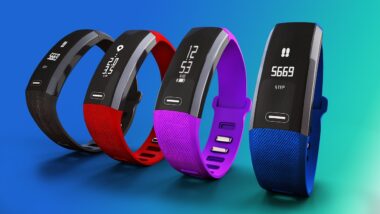
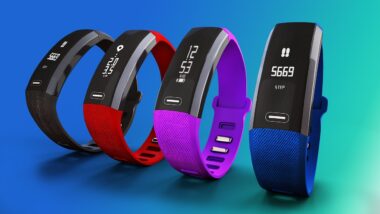
Heart rate monitors have become a crucial tool for triathletes, helping them optimize their training while minimizing the risk of injuries. By consistently tracking heart rates, athletes gain important insights regarding their cardiovascular efficiency and workout intensity. This data allows triathletes to adjust their training methods according to their individual fitness levels. Monitoring heart rates prevents overexertion, which can lead to injuries such as muscle strains or even cardiovascular issues. Triathletes must learn to recognize their heart rate zones and understand when to push their limits and when to rest. This knowledge not only enhances performance but also supports long-term health. Through regular feedback from heart rate monitors, athletes can identify patterns and trends in their performances, adapting their strategies effectively. Additionally, heart rate variability, measured by these devices, reveals important recovery stages. Therefore, heart rate monitors aren’t merely tools for performance tracking but vital components of injury prevention and management. As technology advances, these monitors incorporate features like GPS and workout tracking. This leads to a more comprehensive understanding of their physical state, thereby aiding triathletes in achieving their goals more safely.
Using heart rate monitors helps triathletes establish effective training regimens tailored to their unique physiological responses. Each individual has different maximum heart rates and fitness levels; thus, personalized data is essential. Training within the correct heart rate zones is crucial for building endurance and strength without the risk of burnout. Athletes can utilize their monitors to determine their anaerobic and aerobic thresholds, enabling optimal training intensity. These thresholds act as guiding metrics, informing athletes when to increase their effort or maintain a steady pace. Furthermore, real-time data during training sessions ensures athletes remain within healthy limits, allowing for efficient power output during races. Comprehensive performance analyses provided by heart rate monitors can highlight areas that require improvement, such as pacing strategies or intensity management. Recognizing fatigue signals through heart rate readings promotes smarter recovery tactics as well, making it easier for triathletes to rebuild their strength. Importantly, endurance training complemented by effective heart rate monitoring reduces the likelihood of injuries. Therefore, including these monitors in regular training regimens primes triathletes not only for speed and performance but also for health and sustainability throughout their athletic careers.
Understanding Heart Rate Zones
Heart rate zones provide valuable insights into workout intensity and effectiveness. There are typically five primary zones, each representing a different level of exertion. Zone 1 is for active recovery, where the heart rate is low, encouraging blood flow without straining the body. Zone 2, the endurance zone, promotes aerobic capacity and fat burning. Athletes should spend considerable time in this zone to build a strong foundation. Zone 3 is the tempo zone, requiring a moderate effort that prepares triathletes for higher-intensity training. Zone 4 pushes athletes into the anaerobic threshold, increasing speed and performance capabilities. Finally, Zone 5 represents maximum effort and is used for short bursts of speed during training. Understanding and utilizing these zones keeps athletes from overtraining and burnout while still pushing limits. Triathletes can avoid injuries by ensuring they don’t train too frequently in the upper zones without adequate recovery. Incorporating heart rate zone training can also guide athletes in race strategies, helping them pace more effectively throughout events. Ultimately, mastering these zones with a heart rate monitor greatly enhances training efficiency, longevity, and overall performance.
Recovery is a crucial aspect of any training program, especially for triathletes engaging in intensive training. Heart rate monitors lend significant support during recovery phases by tracking heart rate variability (HRV). HRV provides insights into the body’s recovery status and overall readiness for additional training. A higher HRV indicates adequate recovery and a state of relaxation, while a lower HRV can signal fatigue or stress accumulation. By keeping track of these metrics, triathletes can fine-tune their recovery strategies, adjusting workouts and rest days as necessary. Monitoring HRV helps triathletes understand how their body responds to training stresses and when it needs more time for recuperation. Adequate recovery is necessary to reduce the risk of injuries like tendinitis or stress fractures. Additionally, heart rate recovery time after workouts indicates how quickly the heart returns to its resting rate. A quicker recovery correlates with better cardiovascular fitness and can guide athletes in determining their training effectiveness. Therefore, employing heart rate monitors enables athletes to manage their effort levels better during workouts while ensuring they prioritize recovery, keeping their bodies resilient and injury-free.
The Importance of Warm-Up and Cool-Down
Warm-up and cool-down routines play a vital role in triathlon training, as they prepare the body for rigorous activity while minimizing the risk of injuries. Heart rate monitors serve as valuable tools, helping athletes ensure they are warming up appropriately. Before commencing any session, athletes can gradually elevate their heart rates to prepare cardiovascular systems. Monitoring heart rates during warm-up ensures the body adapts safely to increased physical demands. Meanwhile, cool-down periods help in gradually lowering heart rates and easing tension in muscles, reducing soreness and stiffness post-workout. These performance benefits reinforce the link between muscle health and heart rate monitoring. Additionally, heart rates during warm-up and cool-down phases can inform athletes when they are adequately prepared for the session or recovery. Heart rate monitors can promote structured routines as they provide real-time feedback, reinforcing effective habits. Moreover, recognizing any drastic heart rate changes can alert athletes to potential risks of injury. By combining structured heart rate monitoring with warm-ups and cool-downs, triathletes can optimize their overall training experience, ensuring consistent performance gains while reducing the chances of injury or setback.
Emotional wellbeing plays a significant role in an athlete’s performance and injury prevention. Heart rate monitors can help triathletes manage stress and anxiety levels during training and competitions. Many triathletes encounter pre-race nerves or stress from demanding training schedules. Monitoring heart rates allows athletes to understand their physiological response to these psychological pressures. By identifying spike patterns in heart rates, triathletes can develop mental coping strategies tailored to their unique needs. Mindfulness techniques, such as breathing exercises, can be integrated into training with heart rate data as a motivational tool. Well-timed mental recovery from emotional stresses ensures athletes can maintain focus and physical performance, making injury prevention more probable. Additionally, this awareness fosters a deeper connection between the mind and body, leading athletes to respect their limits. A mind-body approach to triathlon training can enhance overall resilience, helping triathletes cope with both physical and mental challenges. Engaging with technology such as heart rate monitors promotes self-awareness, guiding athletes toward comprehensive health and consistent performance continuity. Fostering emotional stability alongside physical readiness ensures that triathletes can pursue their passion for sports healthily and sustainably.
Final Thoughts on Heart Rate Monitoring
In summary, heart rate monitors form a vital component of triathlon training, especially for injury prevention. They serve various purposes, facilitating personalized training and recovery strategies while promoting overall athletic health. The use of these monitors provides real-time data for athletes to tailor their training according to their fitness levels, allowing for optimal heart rate zone engagement. Understanding these zones fosters better pacing and enhances performance, while monitoring recovery metrics like HRV ensures athletes can avoid burnout. Moreover, incorporating effective warm-up and cool-down routines based on heart rate data significantly contributes to injury prevention. Emotional wellbeing further solidifies the benefits of heart rate monitors, as understanding stress levels helps athletes develop mental resilience. The combination of physical performance and psychological preparedness creates a holistic training approach that can yield long-term benefits in triathlon endeavors. As technology evolves, heart rate monitors will likely become even more sophisticated and accessible, offering robust support to athletes at all levels. Triathletes keen on improving their skills and reducing injuries should undoubtedly consider integrating these tools into their routines for enriched training experiences.