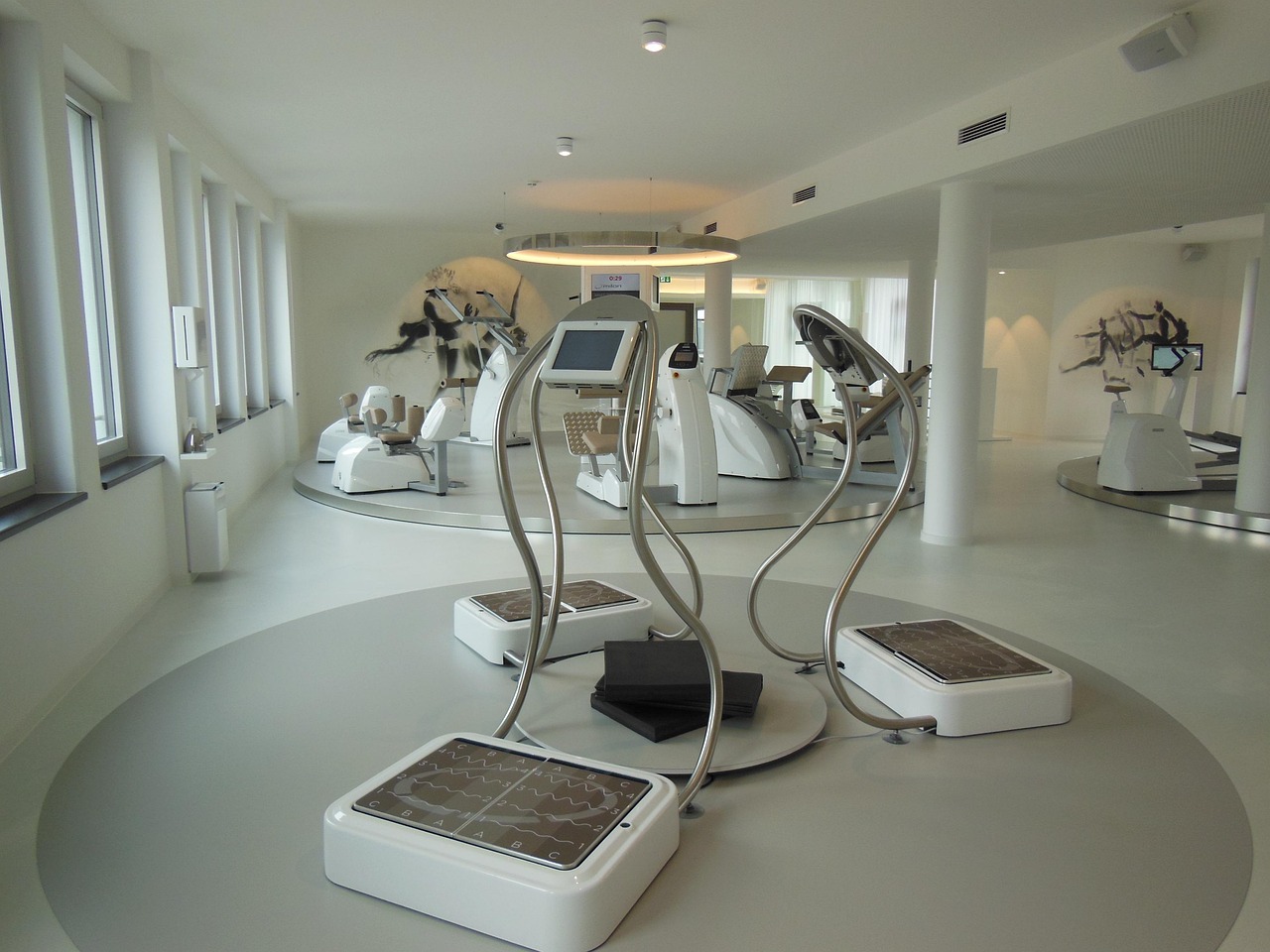

The Role of Environmentally Controlled Gyms in Optimizing Cardio Training
The environment plays a critical role in cardiovascular training, influencing the efficiency and effectiveness of workouts. Features like temperature, humidity, and air quality can significantly impact physical performance. In environmentally controlled gyms, these factors are optimized to create ideal conditions for exercising. When designed appropriately, environmental factors can help manage fatigue and recovery while enhancing endurance and overall cardiovascular health. A controlled environment reduces discomfort and distractions, allowing individuals to focus entirely on their training routines. Quality air circulation and suitable temperatures can promote greater cardiovascular efficiency, leading to improved heart and lung functions. Such facilities also typically feature specially designed machines that focus on cardio health. By providing a consistent environment, these gyms allow athletes to maintain predictable training variables. This predictability correlates closely with progress and long-term well-being, particularly in high-intensity workouts. Thus, environmentally controlled gyms are vital in maximizing cardiovascular training outcomes and setting athletes up for success in fitness objectives. They can provide a competitive edge through consistent and tailored workout experiences, leading both casual and serious fitness enthusiasts toward superior results.
Temperature Control and Its Effects
Temperature control is one of the most significant aspects of environmentally controlled gyms. An optimal workout temperature enables athletes to maintain their performance levels throughout their training sessions. If the room is too hot, sweat evaporates slowly, causing potential overheating and reduced cardiovascular efficiency. Conversely, if the temperature is too cold, muscles may stiffen, making warm-up routines essential yet time-consuming and potentially compromising training sessions. Controlled environments generally maintain a consistent temperature between 68°F to 72°F (20°C to 22°C), suggesting the most favorable conditions for cardiovascular activities. Staying within this temperature range helps ensure that the body can efficiently regulate heat. Participants can therefore focus on their workout routines without being distracted by discomfort. Additionally, reduced temperature fluctuations help prevent fatigue while enhancing overall performance times within workouts. Moreover, athletes are encouraged to reap the benefits of prolonged cardio sessions, such as improved endurance and cardiovascular health. These gyms often utilize advanced climate control technology and are designed to minimize energy loss as well, making them environmentally friendly and user-centric. Thus, temperature control significantly influences cardiovascular training successes in specialized gym settings.
Importance of Humidity Levels
Humidity levels represent another essential consideration in optimizing cardio training. Maintaining optimal humidity within a gym helps ensure peak performance during cardiovascular exercises. High humidity levels can hinder sweat evaporation, significantly increasing the likelihood of overheating. On the other hand, low humidity may lead to respiratory irritation and heightened discomfort during workouts. Generally, the ideal humidity level for cardiovascular training is between 30-50% relative humidity. This range helps optimize the body’s natural cooling systems, ensuring athletes can perform at their best without the detriment of external conditions. Environmentally controlled gyms use technology that monitors and adjusts humidity levels to maintain this optimal performance environment. This feature also supports hydration levels crucial for intense workouts. Consequently, athletes can engage in longer training sessions with greater efficiency. They can push their limits further, supporting their personal fitness and cardiovascular health goals. Maintaining appropriate humidity levels also helps reduce the risks associated with exercise-induced asthma and other respiratory issues. Ultimately, the regulation of humidity should not be overlooked when aiming to optimize cardio training in a gym environment. Proper management can enhance workout effectiveness.
The air quality within a gym directly affects an athlete’s performance during cardiovascular training. Poor air quality can lead to respiratory issues, reducing stamina and overall effectiveness during workouts. Environmentally controlled gyms typically feature advanced filtration systems to ensure clean and fresh air. This controlled environment plays a crucial role in maintaining healthy oxygen levels while eliminating harmful pollutants and allergens. Improved air quality can lead to better lung function, enabling more efficient oxygen uptake during exercise. Consequently, individuals will not only perform better but also recover more quickly after high-intensity workouts. Investing in air quality monitoring and filtration systems allows these facilities to create a setting tailored to meet the health needs of their users. Furthermore, well-ventilated spaces help keep temperatures comfortable, promoting better hydration and respiratory health. When combined with other environmental controls, clean air can contribute significantly to optimizing cardiovascular outcomes. Participants directly benefit from improved endurance and reduced fatigue while engaging in cardio workouts. As a result, special attention to air quality is essential for both casual gym-goers and athletes striving to reach their cardiovascular fitness goals.
Personalized Training Environments
Environmental factors vary widely by individual needs, making personalized training environments vital for maximizing cardiovascular performance. Many environmentally controlled gyms offer adaptive training settings, allowing members to tailor their cardio workouts to their unique physiology and preferences. Features that may include adjustable temperature, humidity, and even oxygen concentration cater to specific needs. Members can adjust their surroundings based on their fitness levels and personal comfort. By doing this, they ensure the best workout experience possible while improving efficiency. Personalization directly impacts the work output, as trainers can develop individualized cardiovascular routines that consider unique responses to these factors. This customization leads to enhanced performance results, especially during peak training times. Furthermore, advanced monitoring technology helps track heart rates and other performance metrics, providing real-time feedback. This data can be invaluable for adjusting training intensities. Consequently, these customized environments promote individual engagement while enhancing health and performance outcomes. It is essential for motivating users to stay committed to their cardio training. Ultimately, creating personalized environments demonstrates the future of fitness, encouraging dynamic and effective cardiovascular training options.
Impact on Mental Wellness
Beyond the physical aspects, the environment greatly affects mental wellness during cardiovascular training. A positive atmosphere can boost motivation, reinforce commitment, and enhance psychological benefits associated with regular exercise. Environmentally controlled gyms create experiences enriching the interaction between physical health and mental well-being. Features like natural lighting, soothing colors, and even relaxing sounds contribute to a welcoming and uplifting atmosphere. These sensory elements help reduce stress, allowing for improved focus during workouts. Moreover, an inspiring environment encourages members to engage in cardio activities consistently. This consistency is crucial for long-term fitness success and supports emotional health. Research shows that an individual’s mood can greatly affect workout performance, meaning access to a pleasant environment can directly impact results. Community aspects also play a significant role, as social interaction in environmentally controlled settings can uphold motivation levels, further enhancing mental wellness. Engaging with supportive trainers and fellow members fosters a sense of belonging, which is vital in maintaining interest in cardiovascular activity. Thus, prioritizing mental wellness is an essential aspect of designing effective, environmentally controlled gym spaces, ultimately optimizing both workout experiences and physical health.
Conclusion: The Future of Cardiovascular Training
The integration of environmentally controlled gyms represents a paradigm shift in optimizing cardiovascular training. By offering tailored solutions that consider temperature, humidity, air quality, personalization, and mental wellness, these facilities are setting new standards in fitness. Their design reflects a deeper understanding of the relationship between environment and performance in cardiovascular activities. As fitness technology continues to advance, it is likely that these gyms will become increasingly popular among both casual enthusiasts and professional athletes. Facilities focusing on personalized experiences will continue to attract individuals eager to maximize their cardiovascular health. By utilizing technology and research, gyms can refine their approaches, continuously enhancing individual fitness journeys. Overall, the long-term benefits associated with using environmentally controlled spaces will likely lead to greater public awareness of their importance in any effective training program. Enhanced performance, well-being, and motivation all contribute positively to the user experience. Therefore, environmentally controlled gyms herald a new era for cardiovascular training, emphasizing the necessity of individualized approaches and optimized conditions. This model will redefine fitness, ensuring that everyone can achieve their health and wellness goals with success.
This last paragraph provides a summary of advantages linking environmental control to cardiovascular training. The importance of maintaining optimal environmental standards, coupled with personalized elements, leads to substantial benefits for fitness enthusiasts. Understanding these dynamics encourages better choices in selecting workout venues, focusing on aspects affecting performance and wellness. Environmentally controlled gyms have the potential to transform and enhance the experience of anyone engaging in cardiovascular activities, showcasing the path toward more effective fitness strategies.