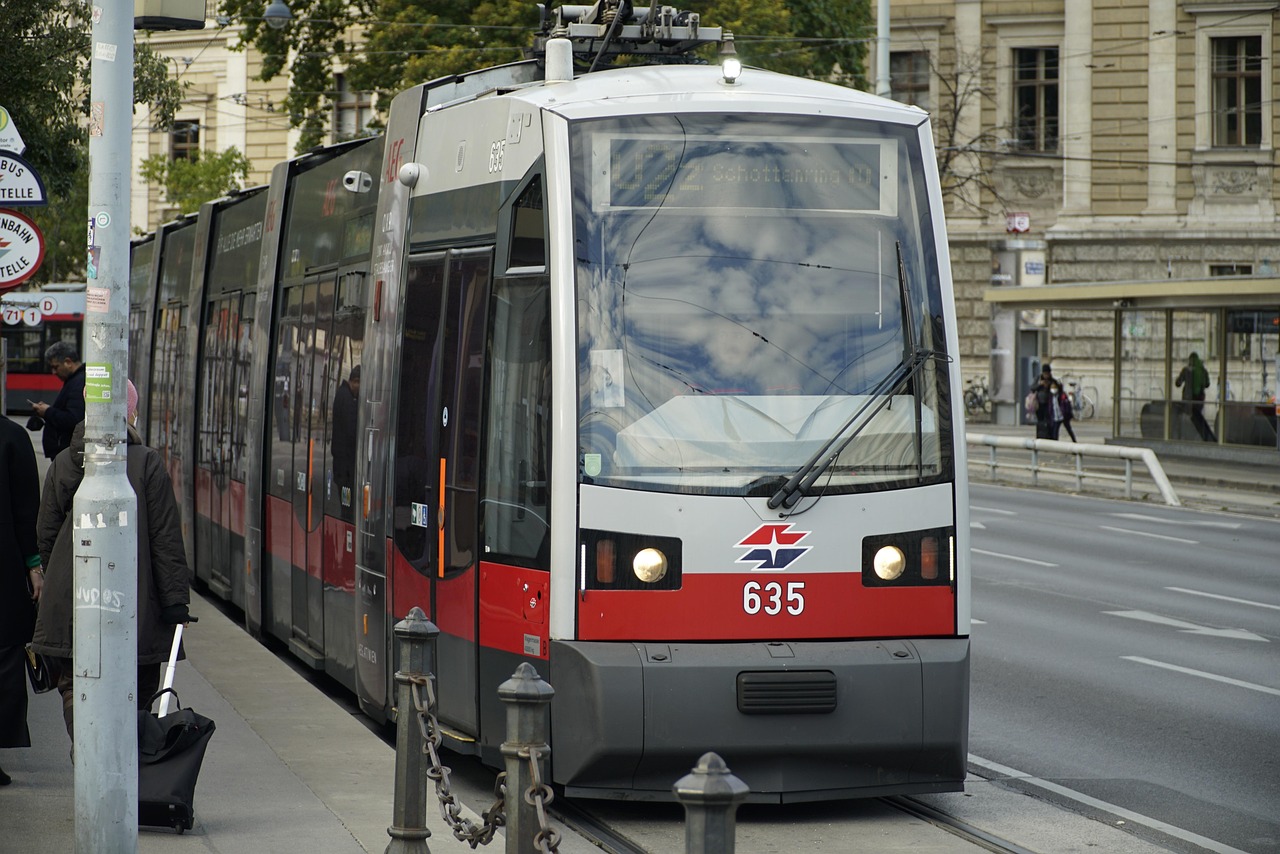

Public Transportation as a Means to Increase Physical Activity
Public transportation plays a critical role in enhancing physical activity, contributing to improved health outcomes. By integrating walking and cycling with public transport, communities promote an active lifestyle, which is essential in combating sedentary behavior prevalent today. Many studies suggest that individuals using public transport engage in more physical activity due to the necessity of walking to transit stops. This activity can be further enhanced with the implementation of well-designed public transit systems that prioritize accessibility. Effective transit networks should ensure safe and pleasant walking paths, well-lit stations, and bike facilities. Moreover, investing in public transportation reduces reliance on cars, thereby lowering air pollution and contributing to a healthier environment. Community awareness campaigns are also essential in promoting public transport as a viable alternative to driving, making residents more inclined to use these services regularly. Increased usage of public transportation contributes not only to improved individual health but also helps alleviate urban congestion and reduce the carbon footprint. Additionally, municipalities need to collaborate with public health organizations to create programs that encourage walking and cycling in conjunction with transit use.
Moreover, research indicates a strong correlation between public transportation access and the frequency of physical activity among urban populations. Lower-income neighborhoods often lack adequate public transportation, limiting residents’ ability to engage in physical activities. Thus, ensuring access to reliable and efficient public transport can bridge this gap significantly. Local governments must prioritize investments in systems that enhance transit networks, particularly in underserved areas. The World Health Organization endorses increasing the availability of public transport as a strategy to improve overall community health. Residents who rely on public transportation tend to walk more compared to those who own personal vehicles. Furthermore, multi-modal approaches, integrating bus, rail, bike-sharing, and pedestrian paths, encourage individuals to engage in active commuting. This active lifestyle can lead to a decrease in chronic diseases such as obesity, diabetes, and heart disease. To leverage these benefits, public policies should be aligned with health incentives focused on promoting public transport as a means of exerting physical activity. Cities that embrace this strategy not only improve public health outcomes but also enhance community well-being and quality of life.
To harness the full potential of public transportation systems, cities must implement supportive infrastructure that encourages active commuting. This includes building sidewalks, bike lanes, and pedestrian-friendly crossings leading to transit stations. Conditions around transit should be enticing and safe to create an environment conducive to walking. Establishing well-designed public spaces not only attracts users but also fosters community interaction, leading to improved mental well-being. When cities invest in pedestrian-oriented developments, they promote intersectionality between public health and urban planning. Additionally, integrating green spaces can attract users to public transit by providing enjoyable routes. Cities like Copenhagen and Amsterdam serve as models for how urban transportation can encourage active living through cycling and walking. Their efforts showcase the benefits of comprehensive planning, which prioritizes human-centric designs. Policymakers should actively promote these principles while considering the specific needs of their communities. Furthermore, public transportation should include facilities that cater to diverse demographics, including the elderly and disabled individuals. Universal accessibility to transportation contributes significantly to fostering an inclusive society focused on health and wellness.
Connecting Urban Design with Public Health
Integrating urban design with public health principles is essential for maximizing the benefits of public transportation. Comprehensive planning ensures that public transit is a viable option for residents, encouraging regular use. For instance, linking residential areas with employment centers via public transport facilitates commuting and inherently promotes walking. The design of transit stops should include amenities like seating, shelters, and information displays to enhance user experience. When users feel comfortable and informed, they are more likely to incorporate public transit into their daily routines. Collaborations between urban planners and health professionals can optimize public health outcomes through effective transit solutions. This approach also includes engaging community stakeholders throughout the planning process. By involving residents in decision-making, cities can develop tailored solutions that address specific needs and concerns. Successful public transport systems work hand in hand with policies encouraging active transportation, reflecting a commitment to public health and sustainability. The relationship between urban design, public transit, and physical activity must be continually assessed and adapted to meet evolving community conditions and lifestyles. Ongoing evaluation of transit systems can inform future planning efforts, ensuring they remain responsive to the needs of the population.
Furthermore, evidence suggests that cities with robust public transportation systems experience lower rates of obesity and related diseases. By facilitating greater accessibility to recreational areas, public transport enables individuals to engage in physical activities that would otherwise be inconvenient. Walking to bus stops or train stations adds physical exertion to daily commutes. Transit-oriented development, which encourages living near transit hubs, promotes a lifestyle where walking becomes part of everyday activity. Local governments can partner with health organizations to provide educational resources about the benefits of active commuting. Awareness campaigns can highlight the positive health impacts of incorporating walking into daily routines. A collective approach involving various stakeholders, including local businesses, schools, and health agencies, can create a supportive environment for active transportation. By ensuring that public transit is accessible and attractive, cities can promote a shift in cultural attitudes toward transport. Ultimately, the goal should be creating a community where walking and using public transit are normalized. Public health policy must emphasize these connections, fostering an environment that prioritizes holistic health.
Economic Benefits of Active Transportation
Investing in public transportation not only enhances public health but also yields significant economic returns for communities. Increased usage of public transit leads to reduced transportation costs for individuals, allowing more disposable income for other essential needs. Active commuting decreases road maintenance expenditures associated with car reliance. Moreover, cities with efficient public transport systems attract businesses looking for a competitive edge, resulting in job creation. A healthy workforce is essential for economic growth, and physical activity plays a pivotal role in overall productivity. The intersection between public transportation and economic vitality underscores the need for sustained investment in transit infrastructure. When cities prioritize transit systems, they contribute to a resilient local economy while acting responsibly towards the environment. Cutting down on vehicular emissions improves air quality, leading to lower public health expenditures in the long run. Additionally, public transport facilitates tourism, drawing visitors who contribute to local economies. The cost-effectiveness of public transportation can significantly outweigh the initial financial outlay on infrastructure development. By prioritizing this investment, municipalities can ensure long-term benefits for residents and the economy alike, demonstrating a commitment to sustainable growth.
In conclusion, public transportation serves as a vital means of increasing physical activity, positively impacting public health and community well-being. Implementing effective public transit systems promotes a more active lifestyle, addressing the challenges of sedentary behavior prevalent in modern society. Urban design must prioritize safe and accessible transit options encouraging walking and cycling. The role of local governments is indispensable in developing and maintaining these systems to ensure that they cater to diverse community needs. Collaborating with public health experts and stakeholders cultivates an environment conducive to active transportation. Greater public awareness of the health benefits associated with active commuting can lead to a cultural shift favoring transportation alternatives. By emphasizing connectivity between neighborhoods through transit, municipalities can prompt more residents to utilize these services. Ultimately, cities stand to gain economically from investing in public transport, achieving an interconnected vision of health, sustainability, and growth. It is crucial for future urban planning to integrate these principles consistently to create communities where public transportation thrives. The foundational role of public transport in physical activity highlights its significant contributions to healthier living.
As urban populations continue to grow, navigating this challenge requires innovative solutions that embrace public transportation. Encouraging public transport usage benefits not just individual health but also enhances socio-economics and environmental sustainability. Activating community-wide participation in discussions about public transport can lead to tailored solutions that reflect the unique characteristics of each locality. Hence, cities must continually evaluate their public transport infrastructures and adjust based on user feedback. Robust public transport systems connected with well-designed urban spaces create an ecosystem wherein residents feel empowered to shift from personal vehicles to public options. A vibrant transit system can foster community pride and collective responsibility in fostering health and wellness. Moreover, governments should consider incentives for utilizing public transport, such as subsidies or improvement programs, which encourage increased ridership. Viewing transportation through the lens of public health will undoubtedly lead to lasting positive impacts on communities. Effective community engagement is crucial in ensuring the ongoing efficacy and appeal of public transport systems. Ultimately, through embracing public transportation, cities can promote a culture of active living while forging paths toward a healthier future.