
Mindfulness Techniques to Alleviate Anxiety Symptoms
Anxiety often manifests as a relentless rush of worries, leaving individuals feeling overwhelmed and fatigued. Engaging in mindfulness techniques can significantly improve mental well-being. Mindfulness encourages awareness of the present moment without judgment, which can alleviate anxiety symptoms. Practicing mindfulness helps break the cycle of negative thoughts and fosters a more positive mind-body connection. Various techniques can help implement mindfulness effectively. Deep breathing exercises are particularly advantageous in calming your mind and body. Additionally, body scans can help cultivate awareness of different sensations throughout your body. This practice enables managing anxiety symptoms by focusing your mind on the physical sensations rather than distressing thoughts. As you gradually build mindfulness into your daily life, the results can be life-changing. You may begin to feel a sense of relief and clarity, allowing you to navigate life’s challenges more smoothly. To begin, allocate just a few minutes each day for mindfulness and gradually increase the duration. This journey not only fosters peace but also empowers you to confront anxiety with resilience and strength, transforming your mental landscape.
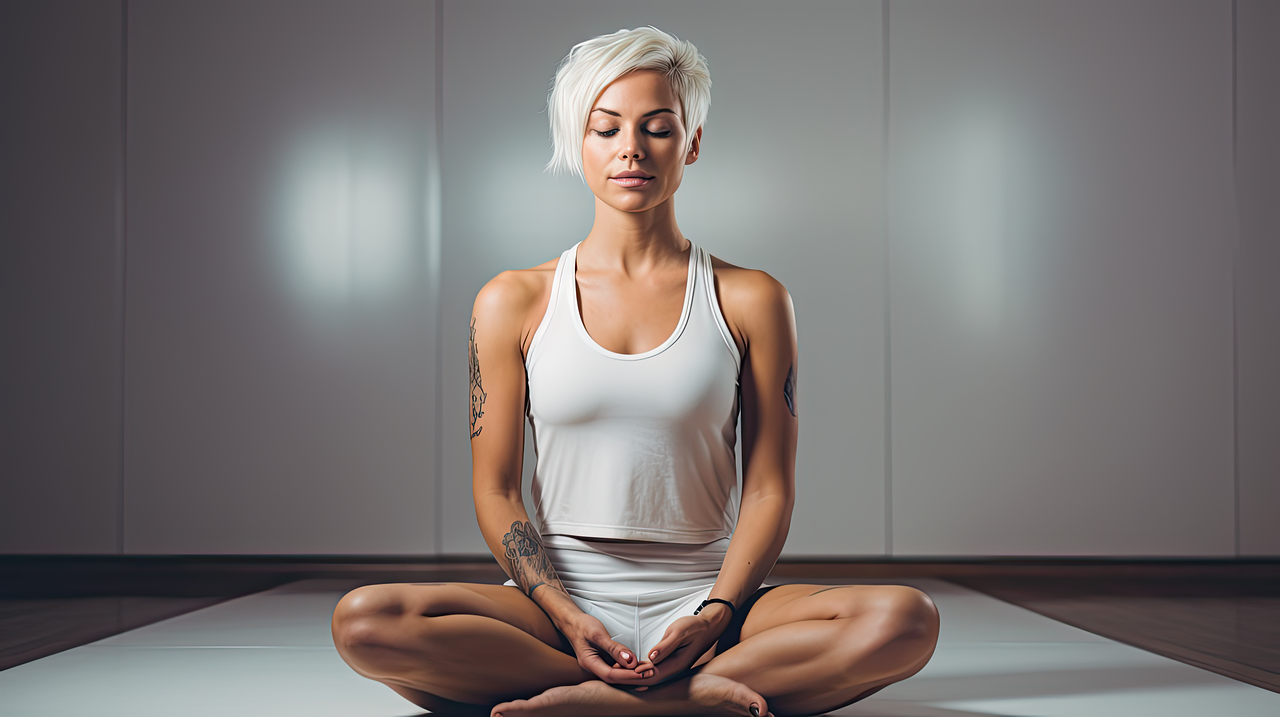
One potent mindfulness method is meditation, which involves a range of practices aimed at fostering a heightened state of awareness. Various forms of meditation can help alleviate anxiety such as guided meditation, loving-kindness meditation, or even simply focusing your breath. Each technique centers around being present and embracing calmness, instilling serenity within the chaos of anxiety. Furthermore, meditation can also help you develop a sense of self-compassion and understanding as mental health evolves. As you sit in a quiet space, focus on your thoughts and feelings without judgment; notice them, acknowledge them, and subsequently let them flow by like water. Creating a routine where you meditate regularly can significantly enhance emotional regulation and foster resilience in stress management. It’s important to remember that starting a meditation practice might feel challenging at first, especially if anxious thoughts arise unexpectedly. However, perseverance is key. Over time, consistency will lead to improved mental clarity. Many find that meditation not only reduces anxiety but also enriches their overall quality of life, leading to greater fulfillment. Seek guidance through apps or local classes if you wish to explore meditation further.
Another valuable mindfulness strategy is incorporating daily mindfulness exercises. These activities can range from mindful walking to mindful eating. The focus is to immerse yourself in the experience, capturing every sensation vividly. For instance, during a mindful walk, concentrate on the sights, sounds, and smells around you. Feel the ground beneath your feet and the air on your skin. By bringing attention to your surroundings, you redirect your thoughts away from anxiety. Mindful eating, on the other hand, encourages savoring each bite of food, noticing flavors and textures while fostering appreciation for nourishment. This practice not only aids in reducing anxiety but can also enhance your relationship with food. It compels you to slow down amidst life’s chaos, fostering awareness of eating habits. By integrating these exercises into your routine, you create moments of mindfulness throughout your day, gradually reducing overall anxiety levels. You might even find unexpected joy in simple actions. These practices can ultimately transform everyday routines into moments of serenity, encouraging a heightened awareness of life’s beautiful intricacies, positively impacting mental health.
Breathwork Techniques
Breathing exercises are an excellent way to enhance mindfulness while combating anxiety. Slow and intentional breathing helps activate the parasympathetic nervous system, promoting calmness and relaxation. One popular technique is the 4-7-8 breathing method. To practice, inhale deeply through your nose for four seconds, hold that breath for seven seconds, then exhale slowly through your mouth for eight seconds. This rhythmic pattern encourages a sense of tranquility, facilitating a connection between mind and body. Such techniques are particularly useful during moments of heightened anxiety or stress. Moreover, this approach can help create awareness around your breathing patterns, enabling better control in stressful situations. Another beneficial technique involves diaphragmatic breathing, which engages the diaphragm fully. This method encourages deeper breaths, enhanced oxygen intake, and a greater sense of relaxation. Incorporating breathwork into your mindfulness routine can empower you to handle distressing feelings with ease. With continuous practice, these techniques foster a profound sense of stability in anxiety management. Regular engagement in breathwork allows you to embrace life’s challenges more resiliently, forging a stronger mind-body bond.
Visualization techniques also play a significant role in alleviating anxiety symptoms. This practice entails picturing serene images or situations that evoke feelings of tranquility. Creating a mental image of yourself in a calming environment such as a beach, forest, or any space that promotes relaxation can significantly reduce anxious feelings. As you engage in this imaginative exercise, focus on the sensory details you associate with that peaceful setting—sounds, colors, tastes, and smells within your mind’s eye. Concentrating on these sensations promotes a state of calm and strengthens the mind-body connection. Furthermore, consider enhancing your visualization exercises with affirmations. These positive statements can help reframe negative thought patterns, reinforcing self-belief. For instance, recite phrases like, “I am safe and secure,” or, “I am worthy of peace,” while visualizing calming scenarios. Doing so helps ground you in the present moment, diminishing anxiety’s grip. Practice this regularly, preferably at the start or end of your day, as a meditative ritual enhancing clarity and peace. By incorporating visualization into your mindfulness toolkit, you foster a profound resilience against anxiety, embracing tranquility in life.
Incorporating yoga as part of your mindfulness practice can greatly contribute to alleviating anxiety symptoms. Yoga combines physical postures, breathwork, and meditation, creating a holistic approach for mental wellness. Engaging in yoga regularly fosters self-awareness and encourages a profound connection between mind and body. The breathing techniques practiced during yoga, often linked to the movements, can significantly reduce tension and stress while promoting relaxation. As you progress in your yoga journey, notice how your body feels more at ease, emotions more balanced, and thoughts clearer. Moreover, yoga also promotes mindfulness through grounding techniques, such as focusing on balance or muscle sensations. Many practitioners find that the combination of breath and physical movement enhances their mental resilience. Additionally, numerous online resources and classes are available, allowing you to practice at your comfort level. Regular participation in yoga can gradually transform your response to anxiety, allowing you to navigate life’s inevitable stresses more calmly. Whether attending a class or practicing at home, embrace this powerful practice as a tool for cultivating peace, enhancing not only your physical health but also your mental well-being.
Finally, keeping a mindfulness journal can serve as a practical method for managing anxiety. This practice encourages self-reflection and examination of thoughts and emotions, promoting personal understanding. Writing down your feelings helps externalize and process anxiety rather than bottling it within. Additionally, documenting positive experiences can foster optimism and gratitude. Set aside a few moments each day to write freely; this could involve the thoughts swirling in your mind, things you’re grateful for, or affirmations about your well-being. By committing to regular journaling, you will gradually cultivate a healthy outlet for feelings. It’s important to acknowledge and accept your emotions, rather than pushing them aside. Additionally, reviewing your journal over time allows you to identify trends in your anxiety levels, providing insight into triggers or patterns worthy of attention. This tailored reflection encourages a deeper connection to your mental state, enhancing awareness and promoting resilience. Mindfulness journaling ultimately becomes a therapeutic tool, empowering you to confront anxiety with clarity and intention. By integrating all these techniques, you will create a holistic approach to managing anxiety with grace.