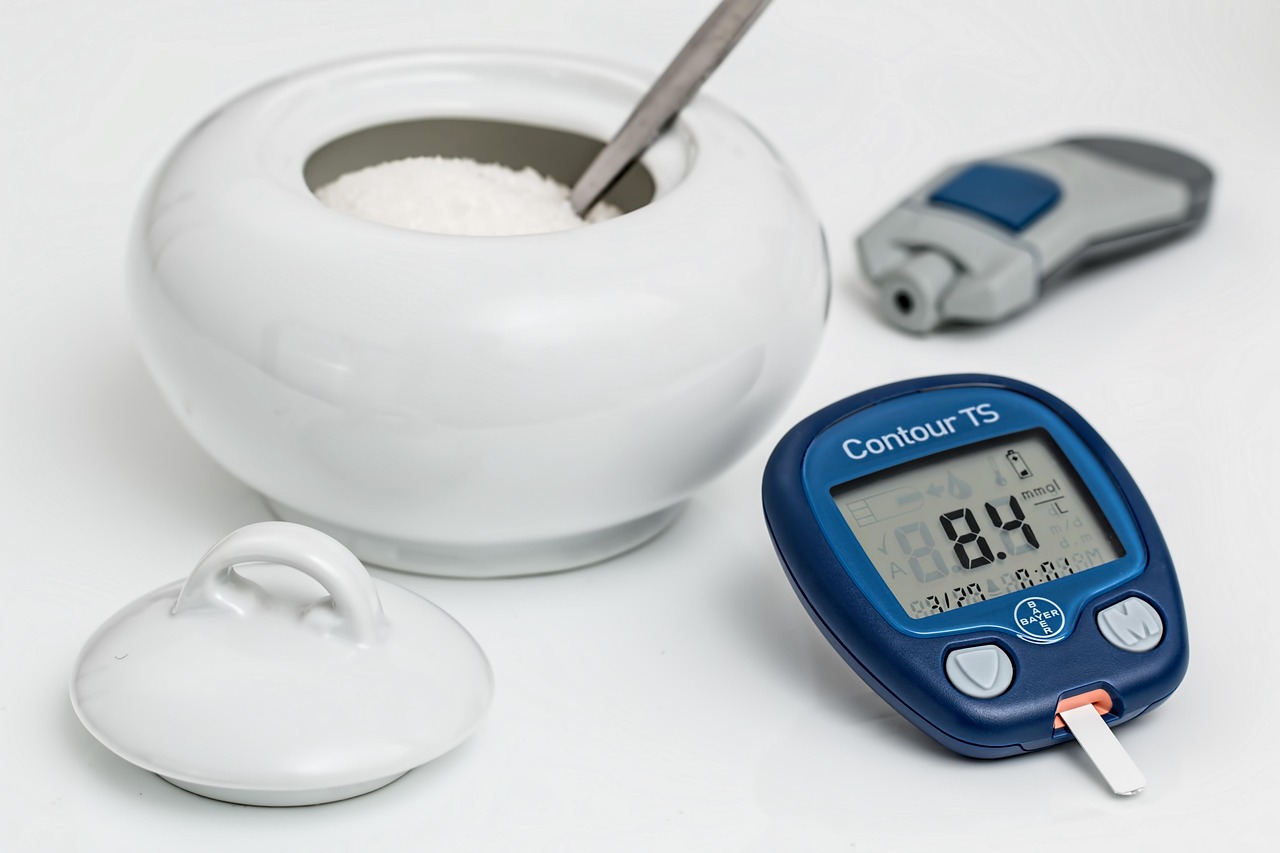

Lifestyle Modifications: Combining Fitness and Blood Sugar Monitoring for Better Health
Maintaining optimal blood sugar levels is crucial for overall health, particularly for individuals managing chronic diseases. It is increasingly acknowledged that lifestyle modifications play a vital role in effectively monitoring and managing blood sugar levels. Balancing nutrition, physical activity, and regular monitoring practices can lead to significant benefits. These lifestyle changes can drastically improve health outcomes. Incorporating exercise into daily routines acts as a natural regulator of blood sugar levels, aiding in glucose metabolism. Additionally, weight management through consistent physical activity enhances insulin sensitivity. As individuals engage more in fitness activities, their body’s capability to process sugar improves. This can prevent spikes in blood glucose, leading to fewer associated health complications. It is essential to identify the types of exercises that work best for personal needs, whether that’s aerobics, strength training, or flexibility exercises. Also, routine blood sugar checks allow individuals to make immediate adjustments to their diets and activities. Low-impact workouts can often prove beneficial, especially for those with limited mobility or other health issues. Understanding how these elements interconnect is crucial for creating an effective health plan.
The Role of Nutrition
Alongside regular exercise, nutrition is a fundamental component of managing blood sugar levels. A balanced diet consisting of whole grains, vegetables, lean proteins, and healthy fats contributes to reduced glucose spikes. These foods provide essential nutrients and help maintain steady energy levels. If you crave something sweet, opting for fruits instead of sugary snacks can help avoid excessive carbohydrate intake. Additionally, understanding carbohydrate counting becomes essential; this method allows individuals to track daily carbohydrate consumption, thus effectively managing blood sugar levels. Meal planning offers another opportunity for maintaining proper nutrition. Preparing healthy meals in advance greatly reduces the likelihood of poor food choices during busy periods. Including high-fiber foods in your diet is essential for slowing down digestion and promoting an even absorption of glucose. Consistency in meal times also plays a vital role; establishing a schedule can help stabilize blood sugar levels throughout the day. Drinking enough water is another aspect that should not be overlooked; hydration is important for metabolic processes. Therefore, combining proper nutrition with regular fitness routines is a winning strategy for those aiming to manage chronic diseases effectively.
Choosing the Right Fitness Activities
Selecting suitable physical activities is crucial for achieving desired health benefits, especially when managing blood sugar levels. It is essential to tailor exercises according to personal interests and fitness levels, which will help maintain motivation. Aerobic exercises, such as walking, cycling, or swimming, have been proven to directly assist in lowering blood glucose levels. Incorporating resistance training a few times a week can enhance muscle mass, which in turn helps regulate glucose metabolism more efficiently. Engaging in activities you genuinely enjoy promotes consistency, making it easier to integrate them into your daily routine. Do note that variety in workouts can help to keep things fresh and exciting. Additionally, mindful movement practices like yoga or tai chi offer benefits for stress reduction, which is integral to maintaining stable blood sugar levels. When considering starting an exercise program, consulting healthcare providers can be beneficial; they can offer tailored advice to prevent any potential risks. Remember that listening to your body is paramount; if you feel unwell, it’s important to rest or modify your activity. You should adapt workouts based on your energy levels to ensure sustainable progress.
Incorporating technology into health management practices can greatly improve the monitoring of blood sugar levels. Various fitness trackers and health apps are now available, making it easier to track both physical activity and dietary intake. These devices can provide real-time feedback, allowing users to take immediate action when their blood sugar levels fluctuate. Many modern tools also provide reminders for exercise, which helps in maintaining daily physical activity. This technology allows for a clearer picture of how lifestyle choices affect blood sugar, making it easier to adjust habits accordingly. Data from these trackers can often be shared with healthcare professionals, facilitating more personalized guidance. Additionally, many apps offer educational resources on blood sugar management, promoting a better understanding of diabetes and overall health. Community support is another advantage; connecting with others facing similar challenges can motivate daily exercise and healthy eating. Formation of online groups or participation in health challenges can enhance accountability. By embracing technology, individuals can foster a proactive approach to their health management, ensuring better outcomes for those living with chronic diseases.
Establishing Personal Goals
Defining clear and achievable personal goals can significantly enhance motivation in managing blood sugar levels. Start by setting specific targets that pertain not only to weight loss or fitness but overall well-being. For instance, consider aiming for a certain number of steps per day or incorporating a specific number of heart-healthy foods into daily meals. It’s beneficial to break down larger goals into smaller, more manageable milestones to maintain motivation. For instance, instead of attempting to lose twenty pounds at once, strive to lose one to two pounds weekly. This gradual approach often leads to sustainable results while promoting healthy habits. Tracking your progress allows for reflection on what is working well, alongside areas that may need adjustment. Celebrating small victories along the way can provide motivation to keep going and improve the overall experience. Don’t hesitate to revisit and adjust your goals as needed; personal circumstances might shift, requiring modifications in your action plan. Engaging family or friends can also foster a supportive environment that encourages perseverance in reaching those objectives.
Monitoring emotional health is an often-overlooked aspect of managing chronic diseases like diabetes. As one embarks on lifestyle modifications, emotional responses to these changes naturally arise. Thus, acknowledging stress, anxiety, or frustration related to food choices or exercise habits is essential. Practicing mindfulness techniques can provide excellent tools for emotional regulation; consider activities such as meditation, deep breathing exercises, or journaling. These practices can contribute to a more balanced emotional state, positively affecting physical health. Building a support network, whether through family or wellness communities, can further ease the emotional burden. Sharing challenges and successes with others fosters an environment of understanding and can enhance motivation. Moreover, participating in group exercises offers a dual benefit: social support and physical activity combined. Emotional health directly influences blood sugar levels; significant stress can provoke spikes, thus requiring attention and management. Engaging in enjoyable hobbies or creative activities can also greatly enhance mood. Overall, ensuring emotional well-being plays an integral role in successfully managing chronic diseases, making it equally vital as nutritional and fitness considerations.
Concluding Thoughts on Fitness and Monitoring
In conclusion, integrating fitness into blood sugar monitoring practices creates a comprehensive strategy for overall health improvement. The synergistic relationship between exercise, nutrition, and emotional well-being is undeniable. Both mental and physical components are vital for effective disease management. It’s essential to recognize that developing and maintaining these healthy lifestyle modifications takes time and commitment. Therefore, one should approach each step with patience and allow room for flexibility. Finding a balance that works tailored to individual lifestyles can contribute to long-term success in managing blood sugar levels. Emphasizing progressive changes rather than radical shifts ensures a more sustainable approach to health. Ultimately, establishing a routine that includes regular fitness, mindful eating, and self-monitoring can forge a path towards improved health outcomes. Engagement with healthcare professionals and leveraging technology can provide additional support. Participating in community resources and networks can further enhance success rates. By prioritizing lifestyle modifications focusing on fitness and sensible blood sugar monitoring practices, individuals can achieve better health and a higher quality of life. This comprehensive approach empowers those managing chronic diseases to take control of their health.