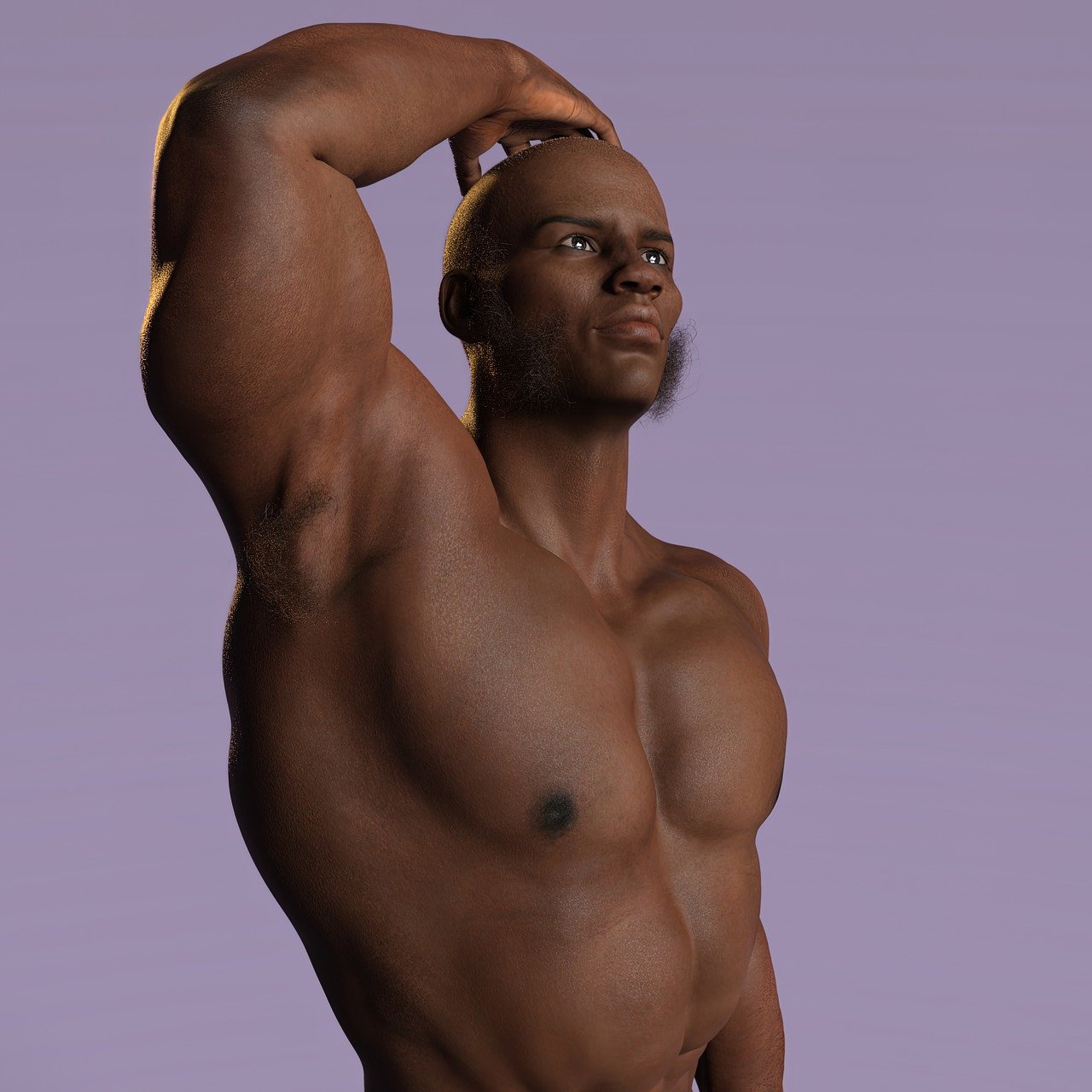

How to Practice Posing to Reduce Stage Anxiety
Stage anxiety is a common issue among bodybuilders preparing for competitions, particularly during posing routines. A well-prepared posing routine not only enhances presentation but also builds confidence, allowing competitors to showcase their hard work. Understanding how to practice effectively is crucial to avoid overwhelming nervousness. The key to mastering this skill involves consistent practice in front of mirrors, focusing on body angles, transitions, and facial expressions. Begin by selecting your best poses and rehearse them daily to engrain the movements. Additionally, filming your practice sessions helps you identify areas of improvement by observing your performance objectively. Regular practice builds muscle memory, making posing more instinctive over time. Furthermore, consider performing in front of friends or experienced bodybuilders who can provide constructive feedback. Their perspectives can offer insights you might have overlooked. Incorporate deep breathing exercises before practice, as they play a pivotal role in reducing anxiety. Take the time to visualize your performance, imagining the audience’s encouragement and positive reactions to enhance your mental approach. By applying these strategies, you can significantly reduce stage anxiety and bring confidence to your competition day.
Another effective method to master posing involves creating a mock stage environment in your practice space. Set up mirrors, stage lighting, and even a recording camera to simulate competition conditions. This practice acts as a rehearsal, giving you a sense of familiarity with the real environment. When you pose in a realistic situation, you train your mind and body to perform under pressure. Aim to run through your entire routine multiple times, focusing on energy and expression. Working on transitions between poses is equally important, as smooth transitions maintain the audience’s interest and reveal your preparedness. Use positive affirmations regularly, reinforcing your confidence before stepping on stage. Read motivational quotes or visualize yourself performing confidently and receiving applause, which can help reframe your mindset. Pay attention to your nutrition and rest leading to competition days as both influence your physicality and mental state. If anxiety persists, consider discussing it with a coach or therapist skilled in performance anxiety management. They can provide tailored strategies or coping techniques that work best for you, ultimately ensuring you bring your best self to the stage.
Pacing and Timing
Understanding pacing during your routine is another crucial aspect to prevent stage anxiety. Timing your poses and transitions appropriately can drastically enhance your performance. Make sure to connect with the music selected for your routine, as this will help in synchronizing your movements. Each musical cue should guide your flow, dictating when to move into the next pose or hold your body in position. As you receive feedback during practice, look for sections that feel rushed or awkward. Rehearsing at different speeds can also identify potential pacing problems; moving too fast can increase anxiety, while moving too slowly may signal a lack of confidence. Consistency in your movements will help both in maintaining composure and preserving muscle definition. Practice standing still in poses and focusing not just on your body, but also on your facial expressions, as they contribute significantly to overall presentation. Regularly reviewing your routine can also highlight successful aspects while allowing you to tweak areas that may challenge you. Emphasizing rehearsals will transform stage anxiety into stage presence and confidence, empowering your performance.
Practicing with other competitors can also be beneficial for easing anxiety. Forming practice groups allows for shared experiences and supportive feedback during rehearsals, which can lead to reduced feelings of isolation. It’s advantageous to learn from fellow bodybuilders who might be experiencing similar fears and challenges. Having others present can distract you from your nerves while encouraging a healthy level of competition. In these practice environments, you can collaborate on techniques, share tips, and motivate each other. You can also participate in posing workshops or classes for structured learning. These workshops often provide professional guidance, focusing on body movements and ensuring you maintain proper form. The more you experience posing with feedback, the more natural and comfortable you will become. Ultimately, these social elements help alleviate anxiety by reminding you that you’re not alone in preparing for stage presence. Networking within the bodybuilding community fosters connections that can last well beyond the competition stage, thus enriching your experiences as you continue your bodybuilding journey.
The Role of Mindfulness
Incorporating mindfulness techniques can greatly enhance both practice sessions and actual performances. Mindfulness emphasizes staying present in the moment, significantly reducing anxiety that often arises from overthinking future outcomes. When preparing for competition, meditation or simple breathing exercises can ground your focus, calming the mind before every practice. Before hitting the stage, take a moment to engage in mindful breathing; inhale deeply through your nose to fill your lungs, holding the breath for a few seconds before slowly exhaling. This practice can clear your mind of self-doubt and negative thoughts. In addition to breathwork, visualization is a powerful tool; imagine yourself executing each pose with grace and confidence. Visualize the audience smiling, the judges nodding in approval, and the overall atmosphere filled with positive energy. This technique convinces your mind of the successful performance awaiting you. Moreover, practicing gratitude can shift your focus from fear of judgment to appreciation for your hard-earned success. Cultivating a mindset focused on the process rather than the pressure of expectations will ultimately allow you to perform at your best.
Aspiring competitors should understand the importance of physical conditioning in relation to posing practice. Posing requires not just confidence but also an awareness of your body’s capabilities and limits. Therefore, complementary exercises targeting the muscle groups identified for competition are crucial. Strengthening the muscles you intend to display provides a solid foundation for posing while enhancing control. Incorporate stability and flexibility training into your routine—both contribute to effective muscle engagement and endurance for sustained poses. Additionally, it is important to prioritize rest and recovery within your conditioning regimen. Overtraining can lead to stress and fatigue, which exacerbates stage anxiety. Understanding when to take breaks is essential for mental clarity and muscular recovery, allowing you to return to practice refreshed. As you continue enhancing your physical capabilities, blend these training aspects with your posing sessions. By being strong and versatile, your movements will embody confidence, thus projecting a foothold against anxiety. Remember that every competitor has unique strengths and weaknesses; always cater your practice strategy to fit your individual needs for improved performance.
Final Thoughts
In conclusion, as you prepare for bodybuilding competitions, practicing posing with intention can significantly alleviate stage anxiety. Focus on regular practice, engaging in supportive environments, and cultivating mindfulness throughout your journey. By utilizing these techniques, competitors can transform nervous energy into confidence, allowing them to fully embrace the stage experience. Start with a routine that emphasizes body mechanics and muscle engagement while encouraging camaraderie with fellow competitors. Incorporate all techniques discussed to create a tailored practice plan that not only builds skills but reduces mental stress. Remember, confidence is not only derived from physical preparation but also mental readiness. Pushing aside self-doubt fosters a positive mindset that can carry you through the anxiety of competition. As you step on stage, remind yourself that each moment is a celebration of your hard work and dedication. By focusing on your performance rather than anticipated judgment, you’ll find enjoyment in the journey of bodybuilding itself. Stage presence and confidence evolve from these dedicated practices, leading to a memorable and successful competition for every bodybuilder.