
Recognizing Plateaus in Plyometric Training
Plyometric training is critical for developing explosive strength, but athletes often encounter frustrating plateaus. Recognizing the signs is the first crucial step. Plateaus manifest as a lack of progress in jump height or a decrease in workout performance. Consistent frustrations and stagnant results can lead to a dip in motivation as well. Differentiating between mental fatigue and actual physical plateau is vital. Mental fatigue often masquerades as a physical plateau, making it essential for athletes to listen to their bodies. Include variations of exercises to keep the training stimulating and engaging. Drills like box jumps, bounding, or depth jumps can stimulate different muscle fibers and energy systems. Proper rest and recovery strategies, like foam rolling or stretching, could be implemented to ease tension and restore power. Additionally, nutritional intake should support increased activity levels, including carbohydrate replenishment and protein intake for muscle repair. Moreover, tracking progress through a journal can help indicate what is and isn’t working over time. Evaluating frequency, intensity, and rest within training can offer insights into overcoming plateaus effectively.
Consulting a Coach for Expert Advice
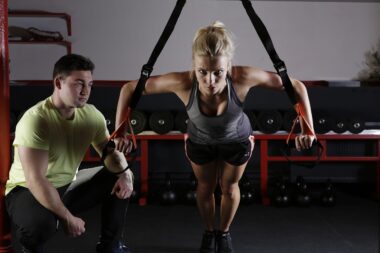
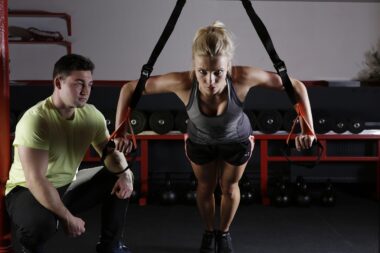
Engaging with a knowledgeable coach can be an invaluable strategy when facing plateaus in plyometric strength training. Coaches possess the training techniques tailored to individual strengths and weaknesses, which can help create a personalized training regimen. They can assess proper biomechanics and suggest adjustments to improve how athletes execute drills. Sometimes, plateaus arise from using improper techniques that inhibit strength gains. Moreover, a coach’s fresh perspective may identify areas of your fitness routine that require modification or enhancement. Coaches often bring experience from competing levels as well, allowing them to give unique insights based on individual athlete progress. They can also provide motivation and accountability, vital ingredients for overcoming stagnation in strength levels. Additionally, coaches can introduce new plyometric exercises that may not be in an athlete’s repertoire yet, stimulating the muscles in new ways. Using video analysis, they can help spot any flaws in form or explosive movements, leading to targeted improvements. Engaging with a coach provides structured learning, ensuring that athletes remain focused and determined amidst challenges.
Varying Your Plyometric Routine
Implementing variety in workout routines is a well-known strategy to overcome training plateaus, particularly in plyometric strength training. Repeating the same exercises leads to adaptation by the muscular system, which can stall results. By mixing up your plyometric exercises, athletes can effectively stimulate different muscle groups and energy pathways that facilitate growth and strength gains. Consider altering aspects such as intensity, volume, and the types of variations you use, like incorporating unilateral exercises or resistance bands. For instance, instead of just performing standard squat jumps, incorporate hurdles, medicine ball throws, or even lateral jumps, which will engage the core differently. This technique helps to keep athletes physically challenged while psychologically making workouts more entertaining. Hence, it becomes crucial to consult with a trainer to design a varied plyometric workout program. Each session should also incorporate both low and high-intensity workouts to provide a balanced approach. Regularly scheduled deload weeks can refresh an athlete’s training approach, breaking up any monotony that might lead to stagnation or frustration.
Cross-Training for Better Results
Incorporating cross-training into your plyometric routine offers immense benefits for overcoming plateaus. This strategy utilizes different forms of exercise, helping strengthen weak areas that plyometric training alone may not address. For instance, integrating strength training, cycling, or swimming can enhance overall muscular endurance and cardiovascular fitness without overexerting the same muscle groups. Workouts focused on balance and stability, such as yoga or pilates, foster core muscle development, which is essential for improved plyometric performance. Moreover, cross-training can help prevent overuse injuries that often result from repetitive plyometric activities. Building a well-rounded fitness program makes for enhanced physical capabilities, ensuring that athletes can jump higher and perform explosive drills more efficiently. Scheduling cross-training sessions at different times during the week can keep the training engaging and exciting. Athletes often find that non-plyometric workouts boost their explosiveness and formatting overall performance. Gradually introducing these variations helps keep progress consistent and measurable without discomfort. Set specific performance goals for cross-training to complement plyometric exercises for greater strength gains.
Optimize Recovery Practices
Improving recovery between plyometric training sessions can be crucial in breaking through plateaus. Although often overlooked, recovery practices enhance muscle repair rates, which translates into improved performance. Adequate rest should not merely mean reduced training frequency but can include active recovery strategies. These strategies involve low-intensity movements like walking or light cycling, promoting blood flow that nourishes muscles. Incorporating flexibility routines or foam rolling nourishes stiffness in the muscles and aids recovery processes. Nutritional factors also play a significant role during recovery. Athletes should prioritize protein intake post-training to facilitate muscle repair, ensuring to consume adequate nutrients within a specific timeframe after workouts. Hydration should never be neglected; dehydration can significantly hinder performance and recovery efforts. Sleep quality affects recovery greatly and should be prioritized for optimal performance. Implement practices that promote good sleep hygiene, including setting a consistent bedtime, minimizing screen time before sleeping, and maintaining a dark, cool sleeping environment. Combining psychological recovery techniques like meditation or visualization sessions can also support both mental and physical recovery efforts.
Set Specific Goals and Track Progress
Setting specific, measurable goals can serve as a powerful motivational tool to overcome plateaus in plyometric strength training. Defining clear objectives creates a focused mindset, pushing athletes to strive for personal bests. For example, targeting improvement in vertical jump height or explosive power measured through standardized assessments can galvanize efforts in training. Moreover, tracking these goals can provide valuable insights into athletes’ progress and barriers. Use performance logs or apps to document improvements faithfully, helping to analyze whether training changes are effective. Regular assessments also aid in determining an athlete’s readiness to increase intensity or refine their current routine. It’s essential to document both successes and setbacks in fitness journeys, as this information can transition into tangible changes in training. Celebrate small victories during this journey, redirecting attention away from frustration over plateaus, allowing a more positive mindset to develop. Additionally, using goal-setting frameworks like SMART (Specific, Measurable, Achievable, Relevant, Time-bound) will help ensure clarity during these goal-setting sessions, ensuring athletes remain committed and engaged.
Mindfulness and Mental Focus
Developing a focused mindset through mindfulness practices can play a big role in overcoming training plateaus. Plyometric training requires not only physical strength but also a mental focus on executing moves correctly. Meditation can help enhance mental concentration and clarity, fostering a deeper connection with the body during workouts. Mindfulness techniques, like breathing exercises, encourage a relaxed yet attentive state, enhancing performance during explosive activities. Moreover, visualizing successful jumps or optimum movement patterns can reinforce the mind-body connection essential for achieving strength gains. Regular practices designed to improve mindfulness transform routine workouts and solidify mental disciplines that carry over into plyometric sessions. Additionally, developing resilience can aid mental barriers that contribute to feelings of frustration or stagnation. The body can often perform well beyond perceived limitations; belief plays a critical role in unlocking potential. Techniques to cultivate positivity toward training, like affirmations or success journaling, can also maintain motivation and focus over time. Adopting these practices, coupled with a clear training program, can rejuvenate motivation and help athletes break through emotional blocks during training.
Conclusion: The Path to Transformation
Overcoming plateaus in plyometric strength training requires a multi-faceted approach. Recognizing and adjusting variables in training, from technique to recovery practices, are fundamental for progression. Whether through engaging a coach or varying workouts, athletes can find innovative methods to reignite progress. Emphasizing cross-training techniques, optimizing recovery, and implementing mindfulness practices support the journey toward greater performance. Establishing specific goals, writing progress logs, and committing to the training regimen can build renewed motivation over time. Moreover, the path to enhanced strength is often unique for each individual, necessitating patience and resilience throughout the process. Hence, knowing when to take breaks or incorporate different activities can set the stage for long-term success and growth. Ultimately, the combination of physical techniques combined with mental strategies creates an environment ripe for overcoming challenges. Athletes fostering belief in their capacity to achieve can continuously experience improvement in their strength and capabilities. Each effort contributes to the bigger picture of physical performance evolution, culminating in tangible results that inspire continued commitment. Unlock the potential that lies ahead, and embrace the transformational journey that is plyometric strength training.