
How to Lift Heavy Objects Safely at Work
Lifting heavy objects can lead to serious injuries if not done properly in a workplace environment. Understanding the right techniques for lifting heavy items is crucial to prevent musculoskeletal injuries. Always start by assessing the weight and size of the object you need to lift. If it’s too heavy or awkwardly shaped, do not hesitate to seek help or use lifting equipment like dollies or forklifts. Ensure the pathway is clear of obstacles and that you have a firm grip on the object before lifting. Remember to bend your knees and keep your back straight while lifting. This allows your legs to support the weight rather than straining your back. Additionally, it is vital to use your whole body during the process, not just your back. Engaging your core muscles can provide significant support. This technique minimizes the risk of injury and ensures safe lifting practices. Training and education play key roles in promoting healthier lifting habits across work environments. Conducting regular safety workshops can encourage awareness of proper techniques, making safety a priority in the workplace.
The importance of proper footwear in lifting cannot be overstated. Wearing suitable footwear can provide the necessary support and grip. Avoid slip-on sandals or shoes that don’t offer ankle support. Instead, opt for sturdy work boots designed for heavy-duty use. When positioning yourself to lift, stand close to the object. Ensure your feet are shoulder-width apart to maintain stability and balance. Use a staggered stance if it helps maintain balance while lifting awkward items. Once you’re ready to lift, remember that your arms are not just to hold the object; they should be part of the lifting process. Keep the item as close to your body as possible while lifting and lowering it. This reduces the strain on your arms and legs. Practice makes perfect when it comes to proper lifting techniques. Incorporate regular training sessions and discussions on lifting techniques into team meetings to enhance safety knowledge and create a culture of injury prevention. By focusing on posture, equipment, and environment, workplaces can significantly decrease the number of lift-related injuries and promote a healthier workforce.
Utilizing Proper Equipment and Teamwork
In addition to using proper lifting techniques, employing appropriate equipment can drastically reduce the risk of workplace injuries. Equipment such as lift tables, trolleys, and hoists are invaluable for lifting heavy objects safely. Make sure that any lifting equipment is well-maintained and inspected regularly to ensure it is in safe working condition. To enhance workplace safety, consider implementing a buddy system for heavy lifts. Working in pairs or teams can provide additional support and ensure that lifting tasks can be managed more efficiently. Clear communication between team members is essential. Discuss how to lift the object and establish signals for coordination. Make sure everyone understands their part in the procedure before attempting to lift. When lifting as a team, synchronize your movements to avoid sudden shifts in weight, which can lead to accidents. When a team atmosphere is cultivated around lifting tasks, members feel more comfortable sharing concerns or seeking assistance when needed. Ultimately, prioritizing teamwork and proper equipment can foster a safer workplace environment with fewer injuries, boosting morale and productivity across the whole team.
Regular training on lifting techniques and workplace safety should be mandatory for all employees. New hires especially benefit from training sessions that outline proper lifting practices. Incorporating practical demonstrations into training can illustrate the effects of poor lifting techniques and the benefits of correct methods. Establishing a culture of safety means regularly revisiting these training sessions and allowing for discussions and questions throughout the year. Encourage employees to share their own experiences or tips regarding lifting. This can help everyone learn from real-world situations and adapt their practices accordingly. Additionally, creating easily accessible safety resources can act as supportive tools for workers. Consider hanging posters describing proper lifting techniques around the workplace or providing handouts summarizing key points. With such resources at hand, employees are more likely to remember and implement these techniques. It’s important to create a supportive environment where employees can speak up about any concerns regarding lifting and injuries. By fostering open communication, you will create a workplace where safety is always the priority, ensuring a proactive approach to injury prevention across all levels of staff.
Identifying Signs of Injury
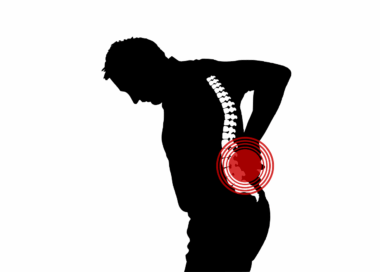
Recognizing the early signs of injury is paramount for managing workplace safety. Employees should be trained to identify symptoms such as persistent pain or discomfort in the back, shoulders, or arms after lifting heavy objects. Ignoring these initial warning signs can lead to more severe injuries that could require extensive recovery time. Encourage employees to report any discomfort early, as this promotes a culture of proactive injury prevention. Keeping an open dialogue about physical wellbeing can help prevent minor pains from developing into chronic issues. If an employee does report an injury, it’s crucial to follow workplace protocols for reporting and managing injuries to ensure proper care. Documentation can aid in identifying problem areas in the workplace regarding lifting techniques or equipment. Also, maintaining a database of injuries can help identify patterns, allowing management to implement changes to workplace policies to enhance safety proactively. Workplaces must offer adequate support, such as access to medical advice or physiotherapy, to employees who experience these early signs. Such approaches demonstrate a commitment to employee wellbeing, creating a more engaged and healthy workforce over time.
Implementing ergonomic solutions in the workplace can greatly enhance safety when lifting heavy objects. Your workspace should promote mobility and reduce the need for awkward lifts. For example, adjusting the height of tables and workstations can minimize strain on the body. Investing in adjustable furniture allows employees to tailor their workspace to their needs, which makes lifting easier and safer overall. Additionally, consider reducing the weight of items employees frequently lift. Wherever possible, organize items in smaller, more manageable containers. This not only facilitates easier lifting but also helps prevent injuries that can occur during the stress of lifting heavy bundles. Regularly assessing the workspace for potential hazards or inefficiencies can greatly contribute to long-term safety improvements. Work with employees to gather feedback on lifting practices, using their insights to create custom solutions tailored to daily workflows. Furthermore, integrating technology into warehouse management can further simplify heavy lifting tasks. Automated systems or robotic assistance are viable options for handling repetitive heavy lifting. By embracing these ergonomic solutions, workplaces can enhance safety and empower employees to maintain their health while performing their tasks effectively.
Conclusion and Final Thoughts on Lifting Safety
The key to preventing workplace injuries while lifting heavy objects lies in a combination of techniques, proper equipment, and a supportive culture. By fostering an environment focused on safety, workers can feel empowered to practice safe lifting techniques. Regular training sessions, open communication about injuries, and ongoing assessments of the workspace contribute significantly to injury prevention. Make sure to continuously promote awareness regarding workplace injuries and encourage employees to prioritize their health and safety above all. Reinforcing good lifting practices, utilizing adequate equipment, and providing ergonomic workspaces will set a strong foundation for a safer workplace. Remember that proactive measures lead to positive outcomes; ensuring that safety is ingrained in workplace culture is invaluable. Lastly, be open to changes and innovations as the workplace evolves. It is vital to adapt strategies over time to prevent injuries. By working together towards a common goal of safety and health, companies foster a better atmosphere for all employees. When employees feel valued and cared for, they will contribute positively to the overall productivity and success of the organization.