
How Stress Influences Blood Pressure and Ways to Control It
Stress is a common experience that affects individuals from various walks of life. One of the less obvious, yet significant, consequences of stress is its influence on blood pressure. Stress triggers the release of hormones such as adrenaline and cortisol, which prepare the body to respond to perceived threats. When these hormones surge, they increase heart rate and constrict blood vessels, contributing to elevated blood pressure levels. In small doses, this response is natural; however, chronic stress can lead to consistently high blood pressure, also known as hypertension. Hypertension can cause serious health issues over time, including heart disease, stroke, and kidney problems. Furthermore, individuals often engage in unhealthy behaviors such as overeating or smoking in response to stress, which can further exacerbate blood pressure issues. Therefore, it is crucial to recognize the signs of stress and find effective strategies to manage it. This article delves into the relationship between stress and blood pressure and provides insights into how stress management techniques can help mitigate these effects.
The Connection Between Stress and Blood Pressure
The relationship between stress and blood pressure is well-documented in healthcare literature. Studies indicate that individuals experiencing high stress often exhibit heightened blood pressure readings. Persistent stress keeps the body in a continuous state of alertness, prompting the cardiovascular system to work harder than usual. Research reveals that not only acute stress but also chronic stressors—such as work pressure or family disputes—play a significant role in creating an environment favorable to hypertension. Psychological responses to stress often include anxiety, which can trigger physical responses like increased heart rate and peripheral vascular resistance, further elevating blood pressure. Moreover, frequent stress-induced fluctuations in blood pressure can wear down blood vessels over time, leading to a range of vascular disorders. As stress leads to unhealthy lifestyle changes, such as poor dietary choices or the avoidance of physical activity, these factors combine to form a vicious cycle. Consequently, recognizing and managing stress is fundamental for maintaining blood pressure levels within a healthy range and enhancing overall well-being.
Identifying stress triggers is the first step to combating its effects on blood pressure. Everyone experiences stress differently, so it is essential to examine what specifically elevates your stress levels. Common triggers may include work deadlines, relationship issues, or financial concerns. Keep a journal to document the situations that raise your stress levels and how you respond. This record can help you to identify patterns and develop techniques to address these situations more effectively. Additionally, finding out your physical responses to stress can empower you to react positively. For example, some individuals may notice physical tension, elevated heart rates, or even headaches during stressful moments. By recognizing these responses early, you can implement stress relief strategies before your blood pressure escalates. Techniques such as deep breathing, mindfulness meditation, or physical exercise can help in managing stress. Also, incorporating regular relaxation practices into your daily routine can empower you to feel more in control, making it easier to handle stress and its implications on your health. Developing awareness is critical in maintaining healthier blood pressure levels.
Effective Strategies for Stress Management
There are various effective strategies for managing stress that can significantly aid in maintaining healthy blood pressure levels. One method is engaging in regular physical exercise, which aids in reducing stress hormones while promoting endorphin production—natural mood lifters. Aim for at least 30 minutes of moderate exercise most days of the week. Additionally, practicing mindfulness techniques can enhance your emotional well-being and reduce stress levels. Techniques such as meditation, yoga, and tai chi promote relaxation and help improve blood flow and lower blood pressure. Furthermore, maintaining a balanced diet influences both stress levels and blood pressure; foods rich in omega-3 fatty acids, whole grains, fruits, and vegetables support cardiovascular health. Adequate sleep is another essential component. Lack of sleep exacerbates stress and can lead to weight gain, both of which can elevate blood pressure. Aim for seven to nine hours of quality sleep each night. Lastly, do not hesitate to reach out for social support. Talking with friends, family, or a mental health professional can provide insights and comfort, aiding your emotional resilience in facing stress.
Incorporating relaxation techniques into your daily life can further assist in managing stress and blood pressure effectively. Techniques such as progressive muscle relaxation and guided imagery serve as practical options for individuals looking to alleviate tension. Progressive muscle relaxation involves sequentially tensing and relaxing various muscle groups, while guided imagery allows one to visualize peaceful and calming scenes. Both methods help to shift the mind away from stressors and promote physical relaxation. Additionally, leisure activities like reading, painting, or listening to music offer enjoyable distractions, enabling a mindset shift away from stress. Allocate specific times during the week for these activities to ensure they become an integral part of your routine. Moreover, consider integrating mindfulness practices into daily activities—whether it’s taking a mindful walk, enjoying a quiet cup of tea, or practicing gratitude journaling. By creating daily rituals focused on relaxation, you continually reinforce your ability to combat stress. Over time, these habits contribute significantly to both mental clarity and improved blood pressure regulation. Establishing a healthy lifestyle is essential to counter the impacts of stress and better support your cardiovascular health.
Monitoring Your Blood Pressure
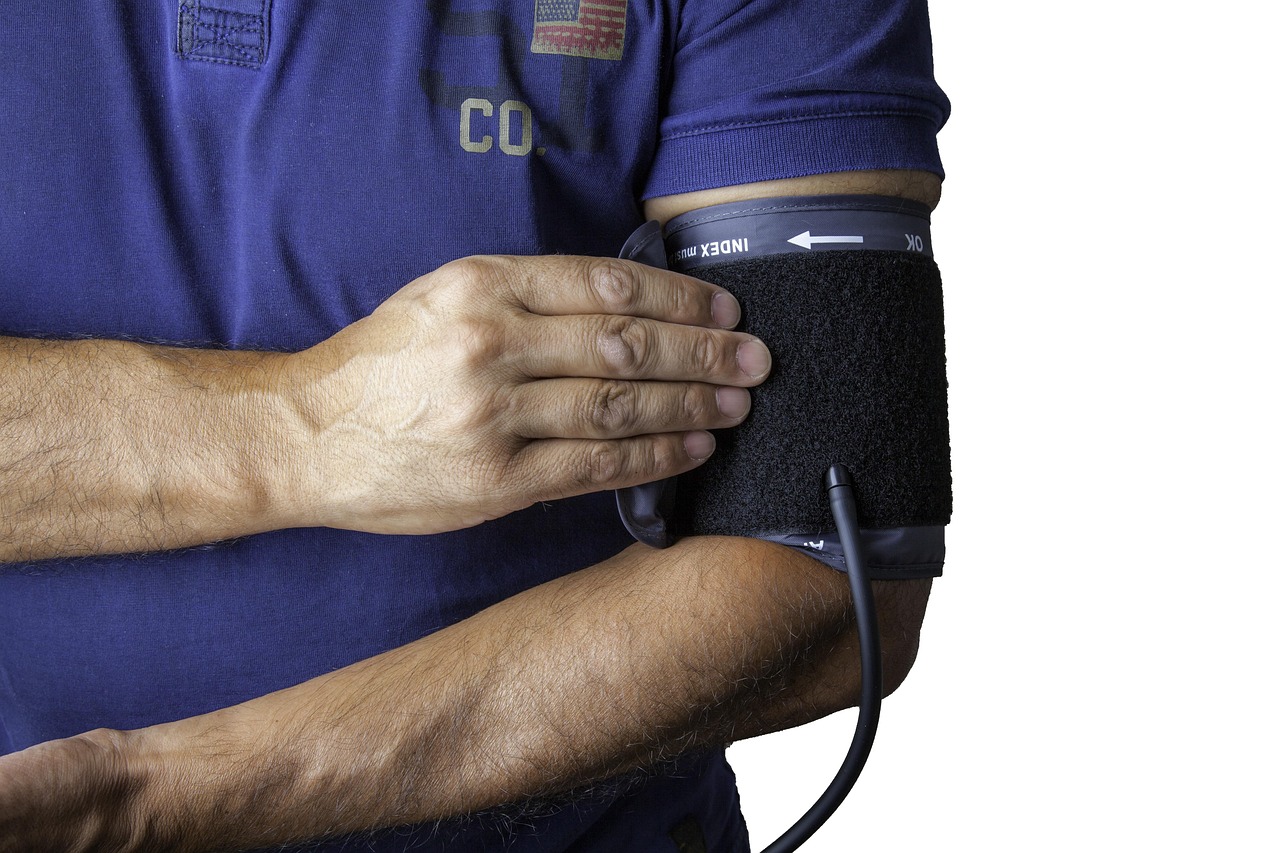
Regularly monitoring your blood pressure is an essential aspect of managing health, particularly when stress plays a role. Keeping track of your blood pressure can provide invaluable insight into how stress and your lifestyle choices affect your health. Home blood pressure monitors are widely available and easy to use. Aim to measure your blood pressure at different times throughout the day to get a comprehensive view of your numbers. Note patterns—whether certain stressful events correspond with spikes in your readings. Additionally, consider keeping a stress diary alongside your blood pressure log to correlate occasions of stress with increases in blood pressure levels. This practice can help highlight effective stress management techniques that directly influence your blood pressure. Always consult with a healthcare professional if you notice consistently high readings. They can provide guidance on lifestyle modifications, medication, or additional stress-reduction techniques tailored to your specific needs. Awareness and monitoring can empower individuals to take proactive steps in managing their health, thereby mitigating risks associated with hypertension and stress-related complications.
Adopting a holistic approach to health, blending stress management techniques with routine care, is essential for effective stress reduction and blood pressure control. While focusing on mental health is vital, never overlook the physical aspect of well-being. Schedule regular check-ups with a primary care physician or healthcare provider to assess both blood pressure and overall health. Collaborate with healthcare providers to establish a plan tailored to your lifestyle that incorporates stress management alongside any necessary medical interventions. Nutritional consulting may also be beneficial, as diet influences both stress levels and blood pressure. Finally, remain patient with the process. Habits developed over time require time to yield significant results in blood pressure control. Progress may not always be linear—some days may be more challenging than others. Consistency in practicing stress-reduction techniques will gradually help lower blood pressure. In conclusion, by acknowledging the impact of stress on physical health and applying effective management strategies, individuals can improve their quality of life and promote heart health through enhanced stress management.