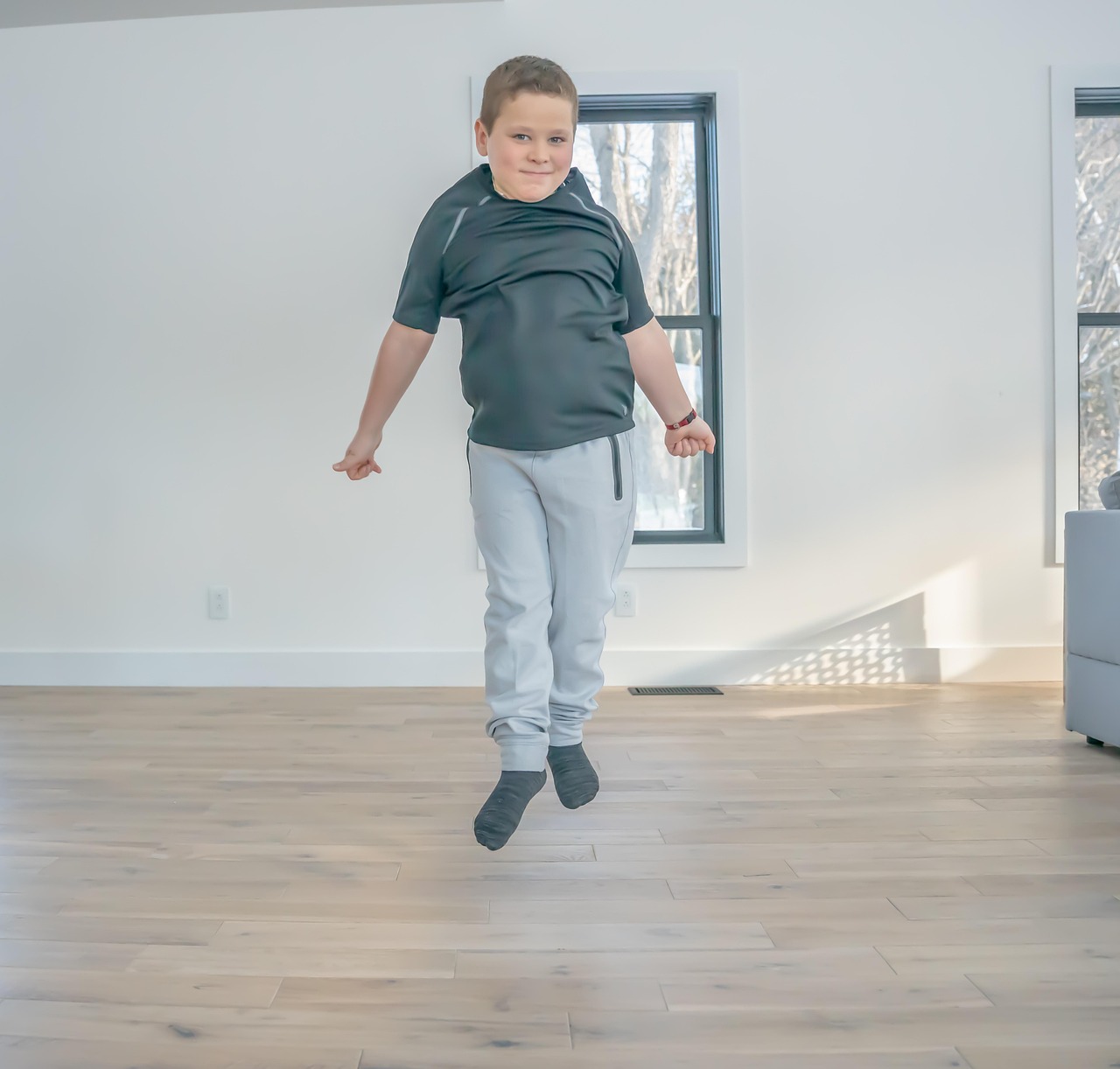

How Parents Can Use Fitness Tech to Encourage Kids’ Physical Activity
In today’s digital world, encouraging kids to be active can feel challenging for parents. However, integrating fitness technology and gadgets can make a significant difference in stimulating children’s enthusiasm for physical activities. Fitness wearables designed for children not only monitor their movements but also create engaging ways for them to stay active. From step counting to activity challenges, these devices can gamify exercise, making it more appealing to young kids. Parents can leverage these gadgets to track progress and motivate their children through rewards. Fitness apps tailored for kids can offer interactive workouts and activities suitable for their age. By emphasizing fun and creativity, parents can combat sedentary behavior while promoting health and fitness. Cultivating an active lifestyle can start at a young age, and the right tools can simplify this journey. Involving the entire family in fitness routines can further reinforce habits. Incorporating technology does not solely mean passive consumption but can enhance active participation in physical activity. Ultimately, encouraging kids through fitness tech builds a foundation for lifelong health and fitness habits that can last into adulthood.
As technology evolves, so do the gadgets available to promote fitness among kids. Incorporating devices that encourage movement is crucial as children often find traditional exercise boring. For instance, smartwatches designed for children include fitness tracking features that not only monitor activity levels but also provide engaging notifications for completing goals. Parents can find that these features excite kids and motivate them to reach their daily movement objectives. Additionally, interactive fitness games combine fun with exercise, challenging kids to engage with activities that promote physical health. Devices such as enabling virtual challenges with peers can create a sense of community and shared goals, enhancing motivation further. Parents can utilize these tools for family activities, allowing kids to enjoy competitive sports in a supportive environment. Also, incorporating educational elements into these gadgets teaches children about health, nutrition, and the importance of being active. Learning about their body metrics encourages responsibility over their own health habits. As muscle strength, flexibility, and coordination improve, kids develop a positive relationship with fitness from an early age, leading to overall well-being. Overall, exploring various fitness gadgets can transform staying active into a delightful, rewarding experience for children.
Smart gadgets can significantly shift how kids perceive fitness. To begin with, wearables designed expressly for young children can engage them while delivering valuable insights about their daily activities. These gadgets often come with colorful designs and fun interfaces that appeal to kids’ aesthetics. Parents can encourage children to wear these devices as part of their daily routine, making exercise feel like a natural aspect of life. Children can learn to associate physical activity with fun rather than a chore. Additionally, some gadgets feature customizable avatars that respond to physical activity data, making exercise more interactive. This aspect helps children see their fitness journey visually, which is encouraging. Creating friendly competitions among peers can also motivate children, as they engage themselves in friendly challenges. Consequently, parents can foster cooperation, teamwork, and even family bonding through these challenges. Parents can join in and participate alongside their kids, further strengthening relationships while instilling healthy habits. Thus, monitoring children’s fitness using smart gadgets can elevate playtime into opportunities for exercise, making engaging in physical activity a shared experience that cultivates teamwork and support.
The Role of Fitness Apps
In addition to wearable gadgets, fitness apps designed for kids can significantly enhance their physical activity levels. These applications offer a range of interactive features tailored specifically for children’s capabilities. Exercising through games or engaging in virtual adventures adds a sense of excitement to traditional workouts or activities. Many apps encourage children to reach certain milestones, setting goals that lead to rewards. Gamifying workouts makes the experience fun, enticing children to participate willingly. Parents can access these apps to track progress, giving them insight into their child’s activity levels and habits. Moreover, some apps allow children to dance, play, or even compete in sports virtually, enabling them to enjoy exercise regardless of weather conditions. Properly introducing these applications can help create a structured routine surrounding physical activity. Educating children through these platforms about safety practices during workouts can promote injury prevention. In conclusion, thoughtful integration of fitness apps into children’s playtime can contribute to fostering a healthy lifestyle, ensuring that children develop both physical and social skills as they enjoy a fun and active life.
The fitness journey for kids extends beyond just tracking steps; it’s becoming about holistic health habits as well. Nutrition plays a significant role that parents should not overlook. Many fitness gadgets also come with nutritional advice or meal tracking features. This helps children learn about eating well, emphasizing the connection between a balanced diet and physical performance. Inviting kids to assist with meal prep can also create a greater awareness of healthy choices, turning nutrition into a fun, collaborative activity. Parents can introduce healthy recipes through engaging video tutorials, possibly even through workout apps, making meal planning enjoyable. Noticing how food choices impact their energy can encourage children to cultivate healthy eating habits over time. Moreover, by incorporating family challenges that focus on both physical activity and nutrition, such as cooking healthy meals together or gardening, children learn about nutrition’s role in maintaining fitness. Furthermore, parents can serve as role models, reinforcing positive behaviors that children are likely to mimic. Combining fitness technology with nutritious eating extends the definition of active lifestyles while ensuring kids grow up with a balanced approach to health.
Building a Habit of Activity
Promoting a culture of physical activity requires patience and persistence from parents. By using fitness technology effectively, they can instill healthy habits in children that last a lifetime. Providing gadgets that help track progress of personal bests allows children to appreciate their advancements actively. Moreover, parents should celebrate successes and milestones, no matter how small. Positive reinforcement helps children form connections to their achievements, encouraging good behavior. Regular family walks or visits to local parks can further foster communal activities, demonstrating the joy of being active together. Group outings to participate in local events like fun runs can create fond memories while instilling the importance of fitness in the family unit. Using fitness technology should not feel punitive but instead an impetus for fun. Parents can create diverse routines by introducing various physical activities, such as swimming, hiking, or dance, through different apps. Encouraging children to express their preferences for activities ensures engagement and successful participation. This grants kids a sense of ownership over their fitness journey. Establishing these activities as routine will encourage children to adopt an active lifestyle that is enjoyable and enriching.
Ultimately, utilizing fitness technology and gadgets to encourage kids to be physically active empowers parents to promote an enjoyable lifestyle. As children grow, these tools can play a crucial role in their development and social skills. Starting this journey at an early age equips children with the knowledge and understanding of the importance of maintaining physical health. Regular activity fosters not only physical strength but also mental resilience, instilling confidence in young minds. Parents should feel encouraged to explore the myriad options available in the fitness tech realm to find what resonates with their children. Collaborative family workouts, integrated through technology applications, provide unique experiences that blend fun, learning, and exercise. Regardless of gadget types or apps, the key is consistent engagement and allowing children to participate in the decision-making process. This way, children can cultivate lifelong habits rooted in health and well-being. Building a stronger connection between children and fitness technology can ultimately create an engaging environment conducive to physical health. As families cultivate an active lifestyle, they pave the way for happier, healthier future generations who value and prioritize physical fitness as a core aspect of their lives.
As fitness gadgets continue evolving, they can significantly transform how children experience and engage in physical activities. With the right approach, parents can use these tools to instigate positive changes in their kids’ lives, combating sedentary lifestyles and fostering healthy habits. Adopting a variety of activities that include not only exercise but also education will normalize fitness. When children can see and compare their achievements through wearables and apps, it encourages further participation. Active engagement through interactive and enjoyable mediums will encourage children to pursue fitness willingly, while imparting valuable lessons about health. As they observe the results of their efforts in real-time, children develop a strong sense of accomplishment and confidence. Making fitness a family affair reduces resistance as parents join in, demonstrating that exercise can be an enjoyable shared experience. In doing so, parents can help children navigate a balanced lifestyle that integrates both technology and fitness. Furthermore, as children grow older and develop interests, the skills learned through youth fitness participation can positively influence their daily choices. Fitness technology thus serves as a bridge, leading children toward a lifelong commitment to health and activity, ultimately fostering a healthier society.