
Case Study: Utilizing Body Composition Tracking to Tailor Workouts
In the realm of fitness and well-being, monitoring individual progress is crucial for achieving desired outcomes. Body composition tracking stands out among various methods, offering personalized insights that can significantly enhance workout efficiency. This approach involves analyzing the ratio of fat to lean mass in the body. By understanding these proportions, individuals can tailor their fitness regimens to target specific body goals, whether it’s weight loss, muscle gain, or improved overall fitness. Moreover, utilizing modern technology supports accuracy and convenience in these measurements. Devices such as smart scales, skinfold calipers, and advanced body composition analyzers provide users with a comprehensive overview of their physical status. This information serves as a foundation for creating bespoke workout plans that align with individual capabilities and aspirations. Furthermore, ongoing tracking enables adjustments in fitness strategies, ensuring continual progress and motivation. Engaging with body composition tracking can make fitness journeys more data-driven and ultimately more rewarding for participants. It’s not simply about losing pounds but rather about optimizing body health and performance, leading to enhanced exercise experiences. To explore this concept further, numerous case studies illuminate successful implementations and their inspiring results.
The significance of body composition tracking extends beyond traditional measurements, facilitating targeted improvements in fitness. One compelling case study demonstrated how a client used body composition data to refine their workout program effectively. Initially, the client faced challenges in reaching their fitness goals, experiencing frustration with their progress despite regular workouts and dietary adjustments. By incorporating body composition analysis, the trainer recognized discrepancies in fat and muscle ratios, providing a clearer understanding of the client’s needs. Consequently, the trainer modified the workout plan to include strength training tailored toward lean muscle development while managing a calorie deficit to promote fat loss. This personalized approach led to measurable enhancements in the client’s muscle mass and a significant reduction in body fat percentage. Over several months, the client felt revitalized, discovering newfound motivation and satisfaction with their physical results. Ultimately, this case illustrates how precise monitoring of body composition can lead to more effective workout strategies. By utilizing diverse training methods and continuously assessing progress, individuals can maintain momentum and achieve long-lasting success in their fitness journeys. Hence, personalized fitness approaches become indispensable tools for everyday fitness enthusiasts seeking tangible, transformative achievements.
The Role of Technology in Body Composition Tracking
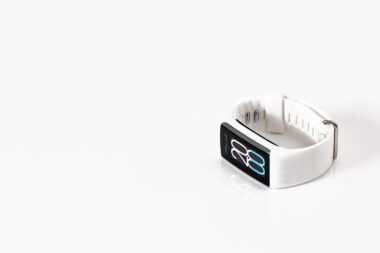
Today’s advancements in technology have revolutionized the way individuals approach fitness tracking, especially for body composition. Tools such as smart scales equipped with Bluetooth connectivity offer data transmission directly to fitness apps. This feature allows users to access their body metrics effortlessly while keeping track of their progress digitally. Additionally, body composition analyzers that utilize bioelectrical impedance analysis provide accurate data regarding fat percentage, muscle mass, and hydration levels. Furthermore, wearables that monitor physical activity, heart rate, and other vital statistics serve as excellent companions to body composition tools, enabling a comprehensive approach to fitness monitoring. The synergy between these devices enhances the tracking experience, making it easier for individuals to understand their overall health and fitness journeys. Moreover, fitness apps often include goal-setting features, ensuring users remain focused and motivated on their objectives. They can visually track changes over time via graphs and statistics that detail progress more effectively than words alone. This technological integration empowers clients, keeps them engaged, and encourages persistent pursuit of their health goals within tailored workout programs based on their unique needs and body compositions.
Moreover, educational components play an important role in body composition tracking success. Individuals who understand the rationale behind changes in their body metrics can foster a deeper connection to their fitness journeys. Trainers can offer workshops or online tutorials to explain the significance of body composition analyses. These sessions can demystify how tracking influences workout adaptations and the importance of balance among different types of exercises. Furthermore, discussing nutritional aspects can provide clients with holistic insights that complement tracking. An appropriate diet is instrumental in supporting workout outcomes; understanding macronutrients and appropriate calorie intake can accentuate or hinder fitness goals. During these educational initiatives, trainers can use real-world examples and share success stories from clients who benefited from tailored workout regimens based on body composition data. As a result, participants gain not just data but the motivational knowledge necessary to apply those findings effectively. This educational approach dovetails nicely with the technological tools available, forming a robust foundation for fitness improvement. By engaging with knowledgeable trainers and participating in meaningful discussions, individuals are more likely to embrace body composition tracking positively.
The Future of Body Composition Tracking
Looking forward, the future of body composition tracking shines bright with potential innovations and trends. As technology continues to advance, expect increasingly sophisticated devices capable of more accurate analyses of body composition. Embedded sensors within clothing and wearables may provide real-time tracking information, further simplifying the monitoring process for users. Such advancements could remove barriers associated with traditional body composition analysis methods, allowing more people to engage in fitness through tailored strategies. Additionally, integrating artificial intelligence with tracking systems may lead to personalized recommendations based on an individual’s progress. For instance, smart applications could analyze users’ tracking data and suggest ideal workouts, nutritional plans, and recovery strategies effectively. Furthermore, the rise of gamification elements could encourage users to compete with themselves and others, promoting engagement and motivation in their fitness journeys. Virtual reality and augmented reality could also make their way into body composition fitness strategies, allowing immersive training experiences. As these technologies evolve, they promise greater accessibility and engagement in fitness and tracking. The adaptation of these methods could redefine how individuals approach their health journeys, particularly regarding body composition monitoring and workout optimization.
In conclusion, the integration of body composition tracking into personalized fitness programs represents a significant advancement in achieving individual health goals. Through comprehensive assessment and ongoing monitoring, trainers and clients can work collaboratively to foster successful strategies tailored to improve overall performance. Case studies showcasing the benefits of this approach highlight its transformative impact on fitness journeys. By employing diverse training methodologies and regularly assessing progress with effective technology, individuals can realize substantial improvements in their body composition. Additionally, the blend of education and technology enhances user understanding and engagement, fostering a true partnership in the pursuit of fitness goals. As more awareness of the benefits of body composition tracking develops, it’s anticipated that many will embrace this powerful tool within their workout regimes. The future promises continued growth in this area, where innovations will contribute further to seamless tracking experiences. Ultimately, by drawing on the best practices shared through successful case studies, individuals can devise more efficient strategies and remain consistent in their efforts. This approach signifies a leap forward in fitness tracking, supporting healthier lifestyles through informed decisions and personalized workout plans.
Real-Life Success Stories
Real-life success stories of individuals implementing body composition tracking illustrate the profound transformations that result from this practice. For example, a young athlete transformed their performance by regularly evaluating their body metrics. By discovering unexpected fat retention alongside muscle growth, they adjusted their nutrition and training regimen to focus on reducing excess fat while promoting lean muscle gains. Consequently, within just a few months, their athletic endeavors improved, revolutionizing their overall performance. In another story, a post-pregnancy individual dedicated themselves to body composition tracking and saw steady progress. By understanding the body changes that occur post-pregnancy, they tailored their exercise routine to incorporate strength training to rebuild core stability. Tracking their composition motivated them throughout their journey, demonstrating how awareness leads to empowerment. These evidence-based journeys showcase the vital role body composition tracking plays in shaping personalized fitness journeys. As storytelling resonates widely within fitness communities, sharing these testimonials inspires others to consider their approaches. Through relatable experiences and clear results, individual success stories can ignite a collective interest in utilizing body composition measures for overall well-being.
Ultimately, body composition tracking is not just about numbers; it is about enhancing personal experiences in fitness, health, and overall well-being. The data collected through systematic analysis can inform and inspire impactful changes in one’s workout dynamics. Individuals investing time in understanding their body compositions also learn to appreciate their bodies better, leading to healthier body image perceptions. Continuous assessment and the opportunity to adapt workout strategies not only trigger physical transformations but also nurture mental resilience. In creating such nurturing environments where individuals feel empowered by their own data, fitness programs can effectively encourage those pursuing long-term goals. Body composition tracking therefore emerges as a quintessential component in the journey towards achieving wellness. Through dedicated case studies, innovative training methods, and personalized guidance, more people may unlock their fitness potentials and embark on rewarding health journeys. By leveraging effective body composition tracking tools and understanding their implications thoroughly, enthusiasts can receive meaningful outcomes from their engagements. This evolving paradigm offers both individuals and trainers the chance to drive impactful changes through precise monitoring approaches. As participants embrace ongoing evaluations, they contribute toward a progressive fitness culture that values growth, understanding, and well-being.