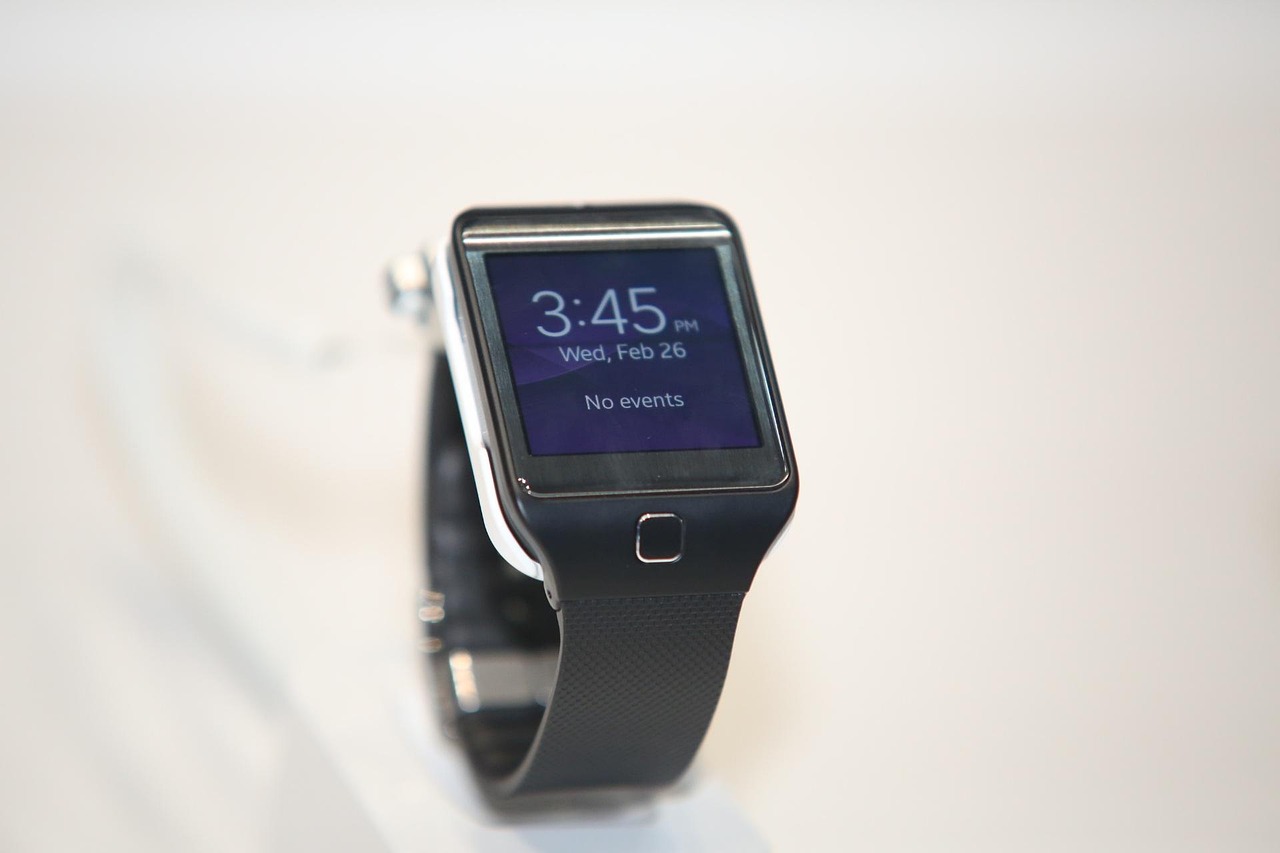

Wearable Technology and Its Influence on Tracking Mental and Physical Health
Wearable technology has significantly transformed the fitness industry, particularly concerning mental and physical health. These devices, such as fitness trackers and smartwatches, allow users to monitor various metrics, including heart rate, sleep patterns, and activity levels. The integration of wearable tech into fitness routines has reshaped how individuals approach their health objectives. By providing real-time data, users can tailor workouts to suit their physical capabilities and improve overall health. Moreover, these technologies can assist in tracking mental health. For instance, stress and anxiety levels can be monitored through physiological changes, offering insights into emotional well-being. This comprehensive view of health helps users make informed decisions about their fitness and mental health. Additionally, many wearable devices include features to facilitate mindfulness and meditation, aiding users in improving their mental state. Users can cultivate healthier habits by understanding their physical and mental health dynamics more clearly. Overall, wearable technology plays a crucial role in enhancing both mental and physical health awareness, contributing to a holistic approach to wellness among fitness enthusiasts and casual users alike.
In addition to providing feedback on fitness levels, wearables are now incorporating advanced mental health analytics. These insights often stem from algorithms that assess physiological indicators, tracking changes in mood and stress. Studies show that users who engage with these metrics possess greater awareness of their mental states. This awareness is paramount as it influences decision-making regarding interventions. Setting reminders for relaxation moments or suggesting breathing exercises can significantly enhance mental clarity. The trend of integrating mental health features into fitness wearables demonstrates an acknowledgment of mental well-being as part of health. This shift can help reduce the stigma surrounding mental health issues, resulting in individuals feeling more comfortable seeking help and utilizing technology for their psychological welfare. Furthermore, many devices also enable users to share their tracking data with health professionals in real-time. This collaboration fosters a comprehensive understanding of individual experiences and challenges. With continued advancements in this area, we can expect the rise of personalized wellness strategies that combine fitness and mental health, making wearables exciting tools for holistic health management.
Social elements of fitness tracker applications are vital for user engagement and motivation. Integrating social media features enables users to share their achievements and progress with friends and family. Such social interactions can enhance motivation levels and encourage users to stay committed to their fitness journeys. Features like competitions, challenges, or group workouts further foster a sense of community among users, making the process more enjoyable. By sharing progress, individuals can find encouragement from peers, significantly enhancing accountability. This is especially important for those struggling with mental health issues, as a support network can facilitate a positive outlook on fitness and overall well-being. In many cases, users report that participating in community challenges has sparked a renewed interest in physical activity, notably improving their mental states. Therefore, wearables designed with social functionalities not only stimulate healthy competition but also create an environment that promotes camaraderie. This community aspect is changing how people approach fitness by adding an essential layer of social interaction, essential for both mental and physical health improvements.
Setting Goals with Wearable Technology
Wearable technology encourages users to set realistic fitness goals and provides the tools to track progress towards these objectives. Goal-setting has proven effective in maintaining motivation and direction in personal fitness journeys. Users can customize achievable milestones, such as daily step counts, targeted activity durations, or specific workout intensities. Wearables often employ gamification techniques to stimulate users to reach these goals. Features like virtual badges or rewards can significantly boost user engagement. Monitoring progress visually through charts or summary reports gives users insight into their achievements, making the journey more rewarding. Moreover, the ability to retrospectively analyze performance trends can help users identify patterns in their workouts and adjust them accordingly. The significance of such personalization cannot be understated, as an individualized approach caters to users’ specific needs. Through these insights, users can combat mental fatigue and retain enthusiasm, motivating them to continue their fitness pursuits. It becomes easier to adjust goals based on mental and physical readiness, ensuring that each user maintains a balance crucial for sustainable health.
User privacy concerns are also pivotal in the widespread adoption of wearable technology. As fitness enthusiasts increasingly rely on tracking their mental and physical health, issues surrounding data security and privacy arise. Many users hesitate to share sensitive health information due to potential misuse or breaches. Manufacturers and software developers must prioritize user data protection, ensuring that the technology maintains compliance with healthcare privacy regulations. Transparency regarding data collection practices is crucial in addressing user’s concerns, helping them feel secure when using fitness wearables. Oftentimes, companies provide users with the option to control what data to share. Offering clear, user-friendly privacy settings can improve trust and boost wearable adoption. Additionally, educating users through informative resources can demystify the technology, showing how its advantages outweigh risks. By prioritizing privacy, the industry can foster a healthier relationship between users and technology, leading to increased acceptance. This is essential for realizing the full potential of wearables, as trust around data handling invites users to utilize devices more thoroughly and confidently.
The Future of Wearables in Fitness and Mental Health
The future of wearable technology appears bright, with inevitable advancements enhancing features that monitor mental and physical health. Researchers predict that emerging technologies will enable deeper integrations with AI and machine learning, resulting in more personalized experiences for users. Enhanced predictive analytics could lead to proactive interventions, alerting users before stress peaks or injuries occur. Future wearables may also extend to virtual reality environments, offering immersive experiences that combine physical activity with mental wellness activities. This evolution could reshape traditional fitness paradigms, merging them with recreational and therapeutic practices. Furthermore, as society grows increasingly health-conscious, wearables will likely play vital roles in preventative healthcare strategies. By promoting self-tracking and awareness, these technologies create opportunities for people to mitigate health risks before they escalate. Fostering a society that places mental and physical health at the forefront is essential, and wearables can drive this movement. These devices will provide the necessary insights for individuals aiming to improve their overall well-being through fitness, leading to a healthier, more informed populace.
In conclusion, wearable technology has revolutionized how individuals track and enhance their mental and physical health. These devices offer extensive functionalities that promote user engagement, foster community interactions, and encourage individuals to set and achieve personal goals. The integration of mental health tracking features into fitness wearables shows a growing recognition of mental wellness in a holistic health framework. As the technology continues to grow, ensuring user privacy remains paramount for acceptance and trust. The future promises exciting prospects, with innovations likely to enhance personalization and user experience. Emphasizing the importance of both mental and physical health will allow wearables to contribute meaningfully to the fitness industry. Thus, users are empowered to take control of their health and wellness journeys, reflecting a positive trend towards a more balanced approach to fitness. In this evolving landscape, wearable technology will pave the way for more informed and engaged health-conscious individuals, driving a paradigm shift within the fitness industry. With the right focus on innovation, wearables will remain indispensable tools that help users achieve their health and wellness objectives.
The range of both physical and mental wellness benefits from wearables represents a transformative leap in personal health management. These devices are not just tools for fitness, but they embody a lifestyle choice that prioritizes one’s overall health, melding technology with well-being. The impact of using these devices reaches beyond isolated metrics, encouraging regular self-reflection and contributing to a healthier mindset. Users experience the empowerment of being actively involved in their health tracking and can seek out holistic practices that incorporate emotional and mental care. Through sharing successes and challenges, individuals build a stronger support network, which reinforces community health initiatives. By bridging technology and human interaction, wearables have the potential to create lasting positive change in individuals’ lives and society as a whole. With innovations enhancing monitoring and engagement, the future of wearables in fitness and mental health looks promising. Consumers will expect more integration between technologies, aligning wearables with emerging health trends and research findings. Arguably, the real victory lies in creating a culture where fitness isn’t just about physicality, but equally embraces mental well-being through tech innovations.