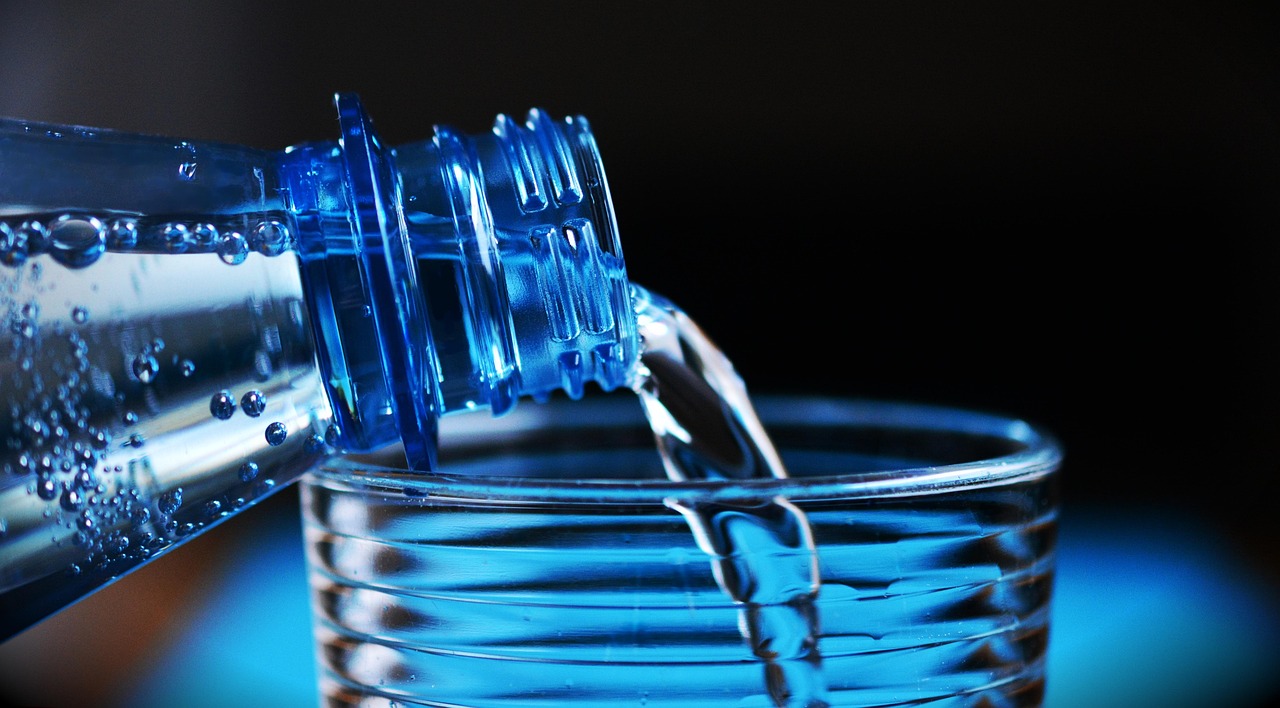

The Role of Hydration in Maintaining Digestive Health
Hydration plays a crucial role in maintaining digestive health. Water is essential for various bodily functions, including digestion and nutrient absorption. Our digestive system relies on fluids to break down food, facilitating the smooth passage of waste. When we consume an adequate amount of water, our gastrointestinal tract operates efficiently. Not drinking enough water can lead to digestive problems, such as constipation or excess acidity. Adequate hydration ensures that the stomach lining remains properly lubricated, allowing enzymes to function optimally. The intestines also require sufficient water to transport nutrients effectively and absorb them efficiently.Hydration also influences intestinal microbiota balance, the “good bacteria” that help maintain a healthy digestive system. Drinking water can promote the growth of beneficial bacteria, supporting overall gut health. Furthermore, dehydration can negatively affect the gut by allowing harmful bacteria to thrive. Therefore, staying properly hydrated is vital for fostering a balanced digestive environment. Individuals should aim to drink water regularly throughout the day. The benefits of maintaining hydration extend beyond just digestive health, impacting overall well-being as well.
The consequences of dehydration on digestion can be severe. Dehydration leads to sluggishness in the digestive process, impairing the body’s ability to break down food and absorb nutrients. When fecal matter becomes hard, it results in constipation, a common issue linked to inadequate water intake. Symptoms of constipation can include abdominal discomfort, bloating, and infrequent bowel movements. Additionally, dehydration may lead to acid reflux or heartburn as the stomach produces more acid to compensate for lower fluid levels. In the absence of adequate hydration, the digestive system struggles to maintain balance.Hydration not only facilitates bowel movements but also helps alleviate discomfort associated with digestive disorders. By drinking enough fluids, individuals can help mitigate these symptoms. Consuming water-rich foods such as fruits and vegetables is another effective way to enhance hydration levels. Incorporating foods like watermelon, cucumbers, and oranges into meals can significantly contribute to overall fluid intake. Furthermore, engaging in physical activity increases perspiration, in turn raising the need for water consumption. Staying attentive to hydration needs can lead to better digestion and improved gastrointestinal well-being.
Water’s Impact on Digestive Enzymes
Water plays an integral role in the production of digestive enzymes, which are essential for breaking down food. Enzymes require an optimal environment to function correctly, and hydration helps create that environment. When the body is dehydrated, the production of enzymes decreases, leading to a suboptimal digestive process. Proteins, carbohydrates, and fats must be broken down sufficiently for absorption into the bloodstream, and insufficient hydration can hinder this process significantly. Additionally, saliva, which contains enzymes that initiate digestion, is predominantly made up of water. Insufficient saliva production can result in difficulties in the initial digestive stages. Sufficient water intake is also crucial for the pancreas, which produces digestive enzymes and bicarbonate. This process helps neutralize stomach acid entering the small intestine. Therefore, a well-hydrated body is vital for maintaining optimal levels of digestive enzymes to facilitate food breakdown effectively. Proper hydration supports the body’s enzymatic processes and contributes to improving overall digestion. When digestive enzymes operate at their best, individuals experience better nutrition absorption and overall health enhancements.
The connection between hydration and fiber intake is also significant. Dietary fiber, found in fruits, vegetables, and grains, draws water into the intestines. This process not only softens stools but also increases their bulk, aiding in movement through the digestive tract. Without adequate hydration, fiber may not function effectively, potentially leading to issues such as constipation. Consuming fiber-rich foods without sufficient water can worsen digestive discomfort. Therefore, it’s essential to balance fiber intake with proper hydration to achieve lasting digestive health. Encouraging individuals to increase both their fiber and fluid consumption together is vital for maintaining a well-functioning digestive system. Good practices include always drinking water when consuming fiber-rich meals. Moreover, combining high-fiber foods with hydrating beverages can further enhance their effectiveness. This creates a symbiotic relationship where fiber requires water to perform its best. As individuals strive for healthy digestion, they should remember the importance of hydration in their dietary choices. In this regard, a holistic approach toward consuming water along with fiber-rich foods can result in positive outcomes for digestive health.
Hydration, Probiotics, and Gut Microbiome
Maintaining adequate hydration is essential in supporting a healthy gut microbiome. A well-hydrated body facilitates the growth of beneficial bacteria while restricting the proliferation of harmful bacteria. Probiotics, the live bacteria found in certain foods, thrive in well-hydrated environments, ensuring optimal gut health. These friendly microorganisms assist in digestion, upholding intestinal balance, and can be negatively impacted by dehydration. When the gut’s moisture levels drop, it may lead to an imbalance in bacterial populations, contributing to digestive disorders. Moreover, water aids in the movement of probiotics through the digestive tract. Without sufficient hydration, probiotics cannot effectively reach their destination to provide health benefits. Consumption of probiotic-rich foods like yogurt and fermented foods should be coupled with proper water intake to maximize the benefits. Additionally, drinking water regularly helps flush out toxins that accumulate in the intestines. This promotes a balanced environment where good bacteria can flourish. As individuals focus on maintaining their gut health, prioritizing hydration is equally important as consuming probiotic-rich foods.
Recognizing the signs of dehydration is crucial for maintaining digestive health. Early symptoms include thirst, dry mouth, and fatigue. Failing to address these signs can lead to more severe complications, including reduced digestive efficiency. Constipation, bloating, and abdominal discomfort may occur if dehydration is prolonged. Tracking fluid intake and ensuring daily hydration goals can help mitigate potential issues. For most adults, aiming for at least eight 8-ounce glasses of water daily is recommended, but individual needs may vary. Those engaging in physical activity or living in hot climates may need more fluids than usual. Structured hydration can be emphasized by incorporating water into daily routines. Carrying a water bottle or setting reminders to drink water can facilitate achieving health goals. Additionally, being mindful of the color of urine can act as an indicator of hydration levels; pale yellow indicates adequate hydration, while darker colors suggest a need for more fluids. Taking note of these factors is essential for maintaining optimal digestion and preventing discomfort linked to inadequate hydration.
Conclusion: Emphasizing Hydration’s Importance
In conclusion, hydration is vital for maintaining digestive health. It influences various aspects such as enzyme production, fiber function, and gut microbiome balance. Individuals must prioritize their hydration efforts to support optimal digestion and overall well-being. Addressing dehydration promptly can alleviate digestive woes such as constipation, bloating, and discomfort. Furthermore, understanding the importance of hydration in diet plays a role in enhancing health. By incorporating water-rich foods and maintaining adequate fluid intake, individuals can foster healthy digestive function. Regularly drinking water, especially alongside fiber-rich meals, ensures that both dietary components work synergistically for optimal health outcomes. Educating oneself about hydration helps make informed choices that can lead to a healthier lifestyle. In a world where health is paramount, prioritizing hydration can significantly impact digestive health and overall quality of life. Remember that staying well-hydrated is key to nourishing your body and ensuring every system functions smoothly.
Hydration plays a crucial role in maintaining digestive health. Water is essential for various bodily functions, including digestion and nutrient absorption. Our digestive system relies on fluids to break down food, facilitating the smooth passage of waste. When we consume an adequate amount of water, our gastrointestinal tract operates efficiently. Not drinking enough water can lead to digestive problems, such as constipation or excess acidity. Adequate hydration ensures that the stomach lining remains properly lubricated, allowing enzymes to function optimally. The intestines also require sufficient water to transport nutrients effectively and absorb them efficiently.Hydration also influences intestinal microbiota balance, the “good bacteria” that help maintain a healthy digestive system. Drinking water can promote the growth of beneficial bacteria, supporting overall gut health. Furthermore, dehydration can negatively affect the gut by allowing harmful bacteria to thrive. Therefore, staying properly hydrated is vital for fostering a balanced digestive environment. Individuals should aim to drink water regularly throughout the day. The benefits of maintaining hydration extend beyond just digestive health, impacting overall well-being as well.