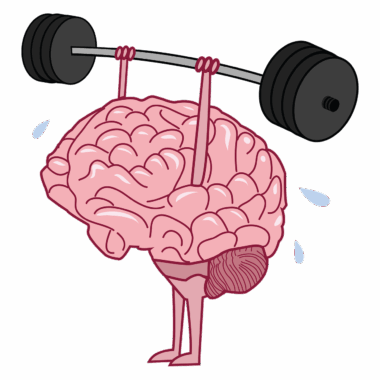

Strength Training and its Influence on Anxiety Reduction
As an effective approach to mental health, strength training remarkably impacts anxiety reduction. Many studies reveal the correlation between physical activity levels and mental wellness. Engaging in strength training not only fosters physical health but also promotes emotional stability. This form of exercise produces endorphins, often termed as the “feel-good” hormones, which contribute to mood improvement. Furthermore, the act of lifting weights can bolster self-efficacy, enhancing a person’s confidence levels. When individuals witness improvements in their physical capabilities, their psychological resilience often follows suit. Holistic health approaches recommend combining strength training with other forms of therapy to ensure well-rounded care. By creating a structured routine, adherents often find consistent relief from anxiety symptoms. Regularly participating in strength programs leads to measurable mental health benefits, such as decreased feelings of apprehension and stress. Individuals can experience these benefits through tailored workout regimes that integrate resistance exercises. Thus, strength training emerges not only as a tool for physical enhancement but also as a complementary strategy for mental health. Therefore, it’s essential for mental health professionals to consider exercise regimes in therapeutic practices aimed at anxiety management.
Strength training provides a multi-faceted approach to combating anxiety through diverse mechanisms. Firstly, it allows individuals to focus their energy on physical exertion as a distraction from anxious thoughts. This kind of redirection can significantly lessen the intensity of everyday worries and fears. Additionally, strength training encourages a regular routine, which can instill a sense of normalcy and predictability in an otherwise chaotic mental landscape. Social support elements can emerge when individuals engage in group classes, fostering community and enhancing their support systems. Such connections are essential since individuals with anxiety often experience isolation. Moreover, studies suggest that strength training enhances neuroplasticity, the brain’s ability to adapt and reorganize itself, potentially leading to reductions in anxiety-related symptoms. Emotional catharsis can also arise through physical exertion, providing an outlet for stress and tension that accumulates mentally. Furthermore, the psychological effects of achieving personal bests in strength training exercises, like squats or deadlifts, boost self-image and self-worth. This heightened self-esteem stands as a protective factor against anxiety. Therefore, incorporating strength training into daily life emerges as a key strategy in promoting holistic mental wellness.
Moreover, the benefits of strength training extend beyond psychological aspects. Physically, it improves cardiovascular health, enhancing overall blood flow which can positively influence mood regulation. A robust circulatory system supports mental clarity and alertness, creating a virtuous cycle of improvement in both physical and emotional health. The interaction between exercise, nutrition, and mental health is pivotal. Consistent strength training often leads to healthier lifestyle choices, including more nutritious dietary habits. As individuals adhere to their exercise regimens, they may be inspired to fuel their bodies with wholesome foods, creating a balanced approach to health. Another significant factor is the quality of sleep; regular exercise, especially strength training, has been shown to improve sleep quality. Better sleep correlates to reduced anxiety levels, highlighting the intricate relationship between physical fitness and mental wellness. Furthermore, personalized strength training programs can address individual goals and needs, making it a versatile tool for managing anxiety. By focusing on resilience and strength, individuals can find empowerment in their routines, essential for tackling daily life challenges. Thus, strength training can profoundly transform an individual’s overall well-being and mental health.
The Process of Establishing a Training Routine
Establishing a regular strength training routine plays a crucial role in reaping its psychological benefits. Individuals should assess their fitness levels, identify personal goals, and create an actionable plan. It’s essential to begin slowly, establishing a foundation of strength without overwhelming the body. Working with certified trainers can ensure proper techniques, minimizing injury risks while maximizing benefits. Setting achievable targets fosters motivation, encouraging gradual progress that reinforces positive feelings. Regular assessment of progress keeps individuals engaged, fostering a sense of accomplishment. Furthermore, consistency is key; scheduling strength training sessions like appointments helps in maintaining commitment. Over time, individuals may seek to increase the intensity of their workouts as they become more comfortable with their regimes. Additionally, variety can prevent boredom and plateaus in progress. Incorporating multiple exercises targeting different muscle groups keeps the routine enjoyable and dynamic. Moreover, setting aside time for recovery is integral to any strength training program, allowing muscles to heal and grow stronger. Thus, a well-structured routine becomes essential not only for physical improvement but also for maintaining a balanced mental state. This systematic approach ensures that individuals can reap long-term benefits for both body and mind.
Strength training is not limited to adults; it can be beneficial for adolescents as well. Engaging younger populations in strength training provides a unique avenue for enhancing mental discipline. Many teenagers face immense pressure, contributing to anxiety levels that can be mitigated through structured physical activity. Commitments to strength training can foster traits such as resilience and patience, equipping adolescents to better handle challenges. This form of exercise encourages self-regulation, promoting emotional stability needed during formative years. Furthermore, peer relationships developed in training environments provide social support, which is essential in combating feelings of isolation. Adolescents participating in group sessions often experience improved self-esteem and body image. Positive reinforcement from trainers and peers can boost confidence significantly, thereby reducing anxiety. In a society where mental health concerns continue to rise, introducing strength training in schools or community centers becomes imperative. Parents and educators should advocate for programs that focus on physical fitness intertwining with mental wellness education. Thus, the dual benefits of strength training provide a powerful tool for fostering resilience in young individuals, equipping them to manage anxiety effectively throughout their lives.
Mindfulness and Strength Training
Integrating mindfulness techniques into strength training can enhance its benefits on mental health. Mindfulness emphasizes present-moment awareness, which can be achieved through focused breathing and movement during exercises. Practicing mindfulness has been shown to lower stress levels significantly. Engaging in mindful lifting encourages individuals to focus on their body and its movements, fostering a deeper connection between mind and body. This connection can help in acknowledging and releasing negative thoughts that fuel anxiety. By centering attention on physical sensations and mental states during workouts, individuals often find tranquility, prompting a sense of balance. Mindfulness also enhances motivation levels, reinforcing commitment to fitness routines. When individuals engage fully with their strength training sessions, they are less likely to skip workouts, contributing to more consistent progress. Furthermore, mindfulness promotes relaxation techniques, which can aid in recovery, reducing mental fatigue associated with high anxiety. This reflective practice allows individuals to develop coping strategies that can be applied outside of their training sessions. Thus, combining structured strength training with mindfulness practices creates a powerful synergy, offering a substantial boost to individuals seeking to manage anxiety effectively.
In conclusion, strength training serves as a vital intervention for individuals experiencing anxiety. Its multifaceted benefits, encompassing physical, social, and emotional aspects, demonstrate its value in mental health management. Strength training’s engagement in the body can profoundly impact the mind, transforming how individuals perceive themselves and handle stressors. Its intrinsic nature promotes discipline, self-efficacy, and resilience, essential traits in tackling anxiety challenges. As individuals embark on their strength training journeys, they may discover a newfound sense of empowerment, establishing healthier coping mechanisms. Future research should continue to explore various strength training modalities, thus contributing toward optimized mental health outcomes. Mental health professionals need to integrate exercise therapy into treatment protocols, recognizing its efficacy alongside traditional therapies. Moreover, opportunities for community engagement through group classes can amplify social support, further enhancing mental health benefits. In fostering environments where strength training is accessible and emphasized, communities can play a significant role in diminishing anxiety levels. Ultimately, individuals, whether adolescents or adults, can forge paths toward improved mental health through strength training, embracing it as a powerful tool in their wellness journeys.
Overall, the relationship between strength training and anxiety reduction is one of empowerment, transformation, and healing. As new insights emerge, it becomes clear that adopting strength training as part of a holistic approach to mental health can yield lasting benefits. Strength training ultimately fosters resilience, allowing individuals to face life’s challenges with greater confidence and control. Addressing both the physical and mental aspects of health is critical, inspiring individuals to take an active role in their well-being. Fostering environments where strength training is promoted can carry significant implications for community mental health. Exercising collaboratively not only supports individual progress but also cultivates a culture of wellness within communities. As research continues to validate its benefits, strength training remains an essential component for anyone navigating their mental health journey. Individuals are encouraged to embark on this empowering path to experience firsthand the uplifting effects that strength training can offer. Therefore, it is time to shift perceptions of strength training as mere physical enhancement to recognize its profound influence on reducing anxiety and improving overall mental health.