
Sports That Help Develop Children’s Balance and Coordination
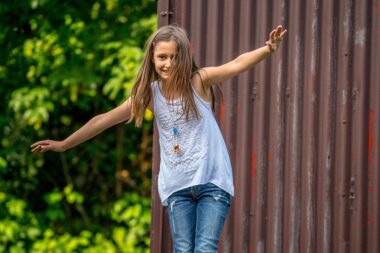
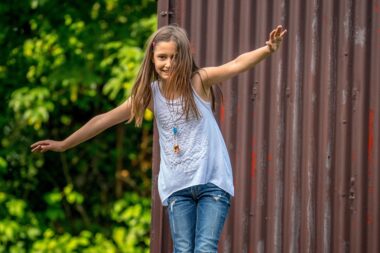
Children’s balance is a crucial aspect of their physical development, impacting various sports and daily activities. Engaging in sports that focus on balance can significantly enhance coordination, strength, and overall physical capability. Activities such as gymnastics are particularly effective, providing children with opportunities to work on various balance skills through different routines and apparatus. These exercises help strengthen core muscles, which are fundamental for maintaining stability. Moreover, gymnastics develops flexibility and coordination, essential components for sports participation. Incorporating gymnastics into a child’s routine encourages discipline and fosters a love for movement. Another beneficial sport is martial arts, which improve balance and enhance body awareness. These martial arts activities instill self-discipline and respect while improving physical fitness. Practitioners need to focus on movements and positioning, which further enhances their balance. Also, activities that involve balance boards or wobble boards can provide engaging exercises to challenge balance skills. These fun methods not only improve balance but also make the process enjoyable, encouraging children to continue practicing regularly. Incorporating these various sports helps children develop essential life skills while promoting physical health and well-being.
Team Sports and Balance Development
Participating in team sports is another effective way to enhance children’s balance and coordination. Sports like soccer and basketball require players to navigate swiftly while maintaining balance during runs, jumps, and rapid direction changes. Soccer players must learn to control their bodies while dribbling, passing, or shooting, all of which necessitate excellent coordination. This type of activity promotes agile movements that boost balance and coordination. Similarly, basketball encourages children to work on their balance while pivoting, shooting, and defending opponents. The necessity to react quickly and maintain stability while performing complex movements greatly improves their balancing skills. Team sports also provide an excellent environment for social interaction, boosting children’s confidence and teamwork abilities. Another aspect of team sports is their competitive nature, encouraging children to push their boundaries, ultimately developing their physical capabilities. Engaging in these sports nurtures a holistic approach to physical fitness, emphasizing both balance and teamwork. Moreover, these experiences can promote a lifelong fondness for physical activity, reducing the likelihood of sedentary behavior as children grow. Involving children in various sports will positively influence their overall development.
Additionally, individual sports can be instrumental in honing balance and coordination in children. Activities like skating or skateboarding require maintaining stability on a moving surface, effectively enhancing balance skills. When skating, children must learn to shift their weight effectively while maneuvering through different terrains and overcoming obstacles. This activity challenges their coordination as they perform tricks or navigations, developing spatial awareness and body control. Furthermore, cycling is an enjoyable sport that contributes to a child’s balance development. Riding a bicycle involves maintaining an upright position, often requiring quick adjustments in body positioning to avoid falls. These activities not only improve physical balance but provide a thrilling experience, encouraging children to engage and explore various environments. Swimming is another essential sport that promotes balance. While swimming, children naturally engage core muscles essential for maintaining their position in the water. The resistance of water provides a unique environment for enhancing physical coordination. Other forms of fitness, such as yoga or dance, can also enhance balance greatly. They help children align their bodies accurately, improving both physical control and mental focus.
The Role of Outdoor Activities
Outdoor activities significantly contribute to children’s balance and coordination development. Climbing, for instance, challenges children to maintain stability on various heights and angles, enhancing their core strength and balance. Moreover, it encourages kids to take calculated risks and develop confidence in their physical capabilities. Activities such as hiking provide children with opportunities to navigate rugged terrains, fostering body awareness and balance appreciation. When children traverse different surfaces and elevations, they strengthen their stabilizing muscles, essential for overall physical fitness. Additionally, obstacle courses can be marvelous for honing balance skills. By engaging in activities that require jumping, crawling, and balancing, children develop critical agility skills. These fun and challenging activities promote physical fitness while providing excitement and engagement. Playing on playground equipment, such as balance beams and swings, also enhances children’s balance. These playground designs allow children to experiment with various movements, improving core strength. Each physical activity supports better coordination while offering enjoyable and enriching experiences. Thus, outdoor activities play a vital role in developing children’s balance and coordination in an engaging environment that fosters growth.
It’s equally essential for parents to encourage and support their children in diverse sports and activities aimed at balance development. Creating a conducive environment where children can practice these skills is crucial for their growth. Parents can introduce simple backyard games such as hopscotch or frisbee that challenge coordination and balance in playful settings. These games can enhance their physical fitness while fostering relationships among friends and family. Introducing a variety of equipment such as balance pads or ropes can add fun while promoting balance exercises at home. Engaging children regularly in these activities will promote a healthy lifestyle and successfully integrate physical fitness into their daily routines. Additionally, enrolling children in local sports clubs or classes can provide them with new opportunities to engage with peers in a structured environment. This will not only enhance their skills but also encourage healthy competition and social interaction. Understanding the importance of balance and coordination will help children appreciate the value of physical fitness throughout their lives. Encouraging continued participation in sports fosters a love for movement that will remain beneficial throughout adulthood.
Conclusion
In conclusion, developing balance and coordination in children is crucial for their physical, social, and emotional well-being. Engaging them in various sports and activities can strengthen their abilities while providing enjoyable experiences. Encouraging participation in sports such as gymnastics, martial arts, soccer, basketball, and outdoor activities helps children build confidence in their movements and physical abilities. Moreover, these activities allow children to enjoy the benefits of an active lifestyle while significantly contributing to their overall health. It’s essential for parents and guardians to facilitate opportunities for children to explore these sports while promoting a positive environment that encourages physical growth. By focusing on balance and coordination, children acquire invaluable skills that enhance their performance in other physical undertakings. Balancing sports with fun engaging activities and social interaction creates a well-rounded approach to physical fitness. This balanced lifestyle can foster a lifelong appreciation for movement, enabling children to lead healthy, active lives. Additionally, children who develop strong coordination skills often excel academically as it improves focus and mental acuity. Therefore, prioritizing balance development is essential in nurturing well-rounded, capable children.
Lastly, as children grow, maintaining an active lifestyle becomes essential. The balance and coordination skills developed during childhood will serve as a foundation for lifelong fitness habits. By engaging in balanced physical activities, children are more inclined to remain active into adulthood. Fitness promotes physical and mental health, laying the groundwork for a fulfilling life. Encouraging variety, parents can help avoid burnout or disinterest, motivating children to try new activities continually. The joy of participating in sports should remain a priority, reinforcing the importance of movement as a lifelong endeavor. Monitoring children’s involvement in these activities ensures that they are appropriate for their age and skill level, supporting gradual progress toward enhanced balance and coordination. With time, commitment, and support, children will cultivate skills that not only enhance athletic performance but also uplift their self-esteem. As children experience success in balancing sports and activities, they develop resilience, discipline, and a drive to overcome challenges. Therefore, it is paramount to recognize the significance of balance in children’s development. By fostering a love for physical activity, we instill healthy habits, ensuring better physical and emotional health outcomes throughout their lives.
By guiding children to engage in diverse sports that develop their balance and coordination, parents and educators play a crucial role in establishing a healthy foundation. When sports become a fun part of their lives, children are more likely to appreciate physical exertion. The skills acquired through sports will improve their physical capabilities while fostering essential life lessons such as teamwork, perseverance, and respect for oneself and others. Awareness of how various sports contribute to balance enhancement can motivate children to participate actively in physical activities. Additionally, fostering an appreciation of balance and coordination creates lifelong benefits, enhancing both performance in various sports and everyday tasks. Community programs and initiatives can also contribute by providing additional opportunities to learn about fun activities. Collaborating with schools and local sports organizations can further promote healthy competition and social interaction among children. As children learn the significance of balance within the context of sports, they’re more likely to value physical fitness. Therefore, developing balance and coordination through sports is more than just a physical advantage; it enriches children socially, emotionally, and intellectually, laying the groundwork for a healthy lifestyle.