
Recovery Techniques to Complement Your Community Workout Routines
When participating in community workout routines, embracing effective recovery techniques is essential for maintaining optimal health and performance. After each workout session, the body experiences physical stress, which can lead to fatigue and muscle soreness. To combat this, individuals should prioritize post-training recovery strategies. One of the most effective methods for recovery is hydration. Drinking water helps replenish fluids lost during exercise, aiding muscle recovery. Additionally, consuming electrolyte-rich drinks can accelerate the rehydration process. Proper nutrition plays a crucial role in recovery. Incorporate proteins and carbohydrates into your post-workout meal to replenish glycogen stores and repair muscle fibers. Furthermore, consider active recovery methods such as light jogging or yoga, which can enhance blood circulation, facilitating faster recovery. Strengthening your body through targeted stretches can also be beneficial. Remember, listening to your body is key, and if you experience pain, consider taking a break. Gradually implementing recovery techniques can enhance performance and help prevent injuries. The goal is to train hard, yet afford the body the opportunity to heal and grow stronger.
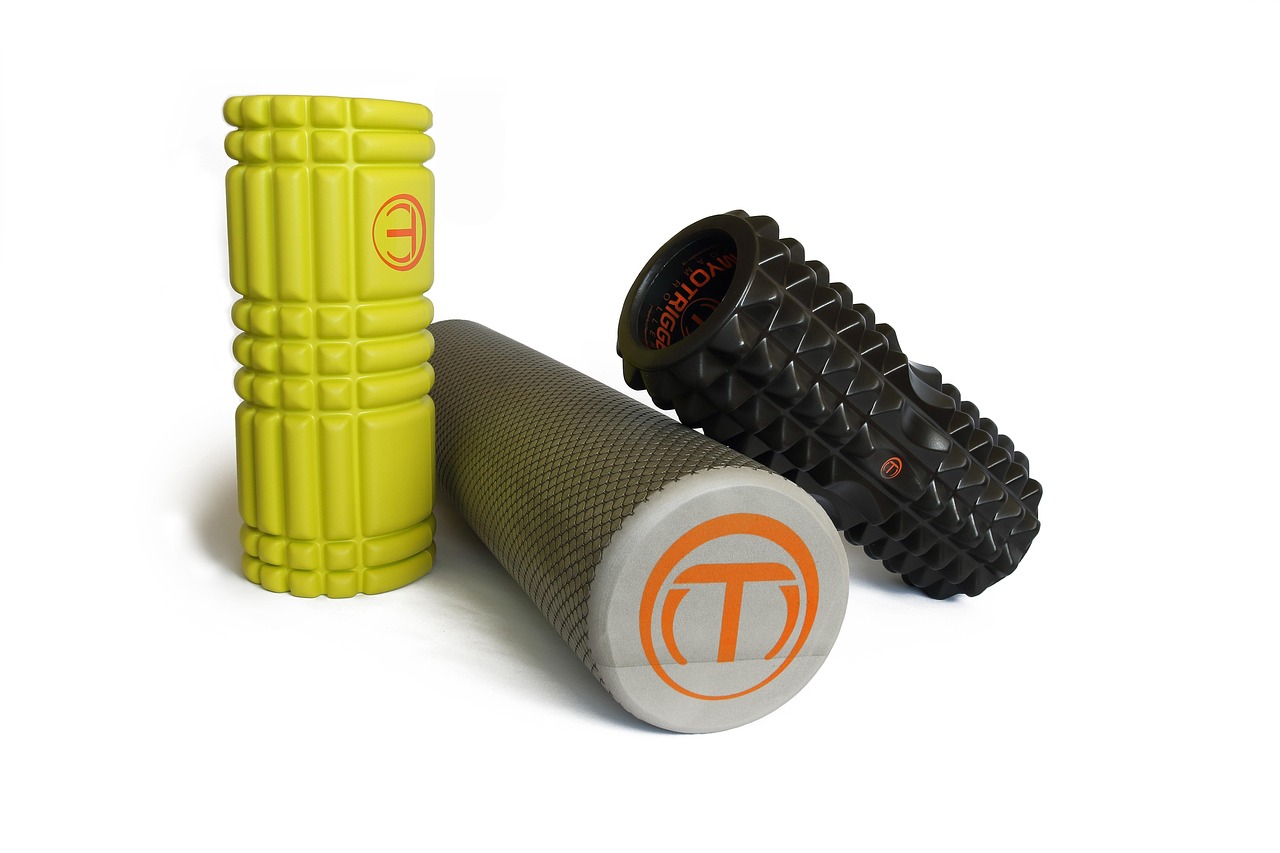
In addition to hydration and nutrition, sleep is another critical component of recovery. Quality sleep allows the body to repair itself, rejuvenating muscle tissue and restoring energy levels. Establishing a regular sleep schedule can significantly improve recovery times while also enhancing overall performance. Aim for 7-9 hours of uninterrupted sleep each night, as this is crucial for muscle repair, hormonal balance, and optimal cognitive function. Moreover, consider incorporating foam rolling into your routine. Using a foam roller can alleviate muscle tightness, decrease soreness, and improve mobility. Spend at least 10 minutes after your workouts targeting major muscle groups to enhance recovery. Another excellent recovery technique is mindfulness or meditation, which can significantly reduce stress. After intense workout sessions, take a few moments to breathe deeply and relax your mind. It fosters both mental health and physical recovery. Connecting with fellow participants can also provide support. Sharing experiences and tips within your community can motivate you and enhance recovery strategies. Staying accountable and encouraging one another reinforces a positive environment, making recovery an engaging and integral part of your fitness journey.
For those keen on exploring more advanced recovery techniques, cryotherapy is becoming increasingly popular among athletes. This treatment involves exposing the body to cold temperatures to reduce inflammation and accelerate the healing process. Although more research is needed, anecdotal evidence suggests cryotherapy benefits muscle recovery significantly. Similarly, hot baths can soothe sore muscles and promote blood flow, assisting the recovery process. Alternating between hot and cold baths can provide combined benefits of improved circulation and pain relief. Another strategic approach is to engage in low-impact exercises like cycling or swimming, which serve as excellent recovery activities. These activities allow for continued movement without stressing the joints, keeping you active while promoting recovery. Mindful stretching following workouts can also enhance flexibility and mitigate muscle tightness. Make it a routine to spend a few minutes relaxing into gentle stretches. Incorporating relaxation techniques such as yoga into workout routines can also help. Participating in community-led yoga sessions can provide guidance while creating a supportive environment for recovery. Remember, the emphasis should always be on healing the body to better perform in future sessions.
The Role of Community in Recovery
Having a supportive community focuses not just on workouts but also on recovery strategies. Engaging with others in fitness-related discussions can provide insights into effective recovery practices and create a positive feedback loop. Sharing individual experiences often leads to discovering new methods for recovery that can benefit everyone involved. This sense of camaraderie can be incredibly motivating, ensuring that members encourage one another to prioritize recovery among rigorous workout schedules. Additionally, communal activities such as group stretching sessions or wind-down yoga can promote group bonding while enhancing everyone’s recovery. Constructive peer feedback can help identify areas of improvement in recovery practices. Participating in these discussions can motivate individuals to stick to their recovery plans, achieving astonishing results over time. Remember, recovery takes time and patience. Engaging with others also can alleviate feelings of isolation that may arise during the recovery process. As individuals share their progress and challenges, it fosters understanding and empathy. This community-centric approach can play a pivotal role in making recovery rewarding, turning the process into a shared experience that enhances overall fitness journeys.
Another vital aspect of recovery is understanding the importance of rest days. Often, workout enthusiasts underestimate the value these rest days bring. Allowing your body to recuperate is essential for preventing injuries and exhaustion. By incorporating rest days into your routine, you give your muscles time to repair and grow stronger. Active rest days, where light activities are performed, can keep you engaged without straining the body. Consider activities like walking, yoga, or foam rolling on rest days to promote blood flow. Establishing a balanced workout schedule that incorporates both intense training sessions and recovery periods is crucial. Be mindful of your body signals; thy may indicate that recovery is needed sooner rather than later. Avoid the ‘no pain, no gain’ mentality to ensure you’re listening to your body instead. Another essential part of recovery involves reevaluating and adjusting workout routines based on personal capabilities. Create a sufficient balance between pushing limits and allowing your body to rest. Utilize community resources to support this process by joining forums or discussions centered on finding the best individualized approach to fitness and recovery.
Incorporating Technology into Recovery Efforts
Utilizing technology can enhance recovery techniques significantly. Various apps and wearable devices provide valuable insights, tracking metrics such as sleep quality, hydration levels, and heart rates during workouts. This data can help individuals create recovery routines tailored to their unique needs. By monitoring their body’s responses, users can make informed decisions about when to recover and how to adjust workouts accordingly. Virtual community platforms can foster sharing experiences and support in recovery initiatives. Always keep an open mind towards recommendations from fellow group members and explore these resources together. Another popular technology trend is guided stretching apps, which provide structured routines to improve flexibility and relaxation. Incorporating these apps into community workouts can unify recovery practices while keeping it engaging and fun. Additionally, video tutorials offer guidance on using recovery tools, such as foam rollers or massage guns, effectively. These resources allow community members to deepen their understanding of recovery techniques. From real-time feedback on form to educational material provided by experts, technology can add a whole new layer to post-workout recovery efforts.
To conclude, integrating effective recovery techniques into your community workout routines is necessary for sustaining long-term fitness success. By prioritizing hydration, nutrition, sleep, and community support, participants can enhance their post-workout recovery effectively. Techniques such as foam rolling, cryotherapy, and mindful stretching further contribute to a holistic approach toward recovery. With the addition of technology, individuals create more personalized routines, ensuring optimal healing processes. The key lies in recognizing the balance between rigorous training and the necessity of rest. As members continue to share their experiences within the community, it creates strong bonds that boost motivation and commitment to fitness goals. Celebrate your achievements in recovery just as you would in your workouts. Ultimately, the journey toward fitness is not only about pushing boundaries but also about understanding the importance of recovery. Emphasizing recovery enhances performance while also contributing to overall well-being within your fitness community.