
Myths and Facts About Yoga and Flexibility Training
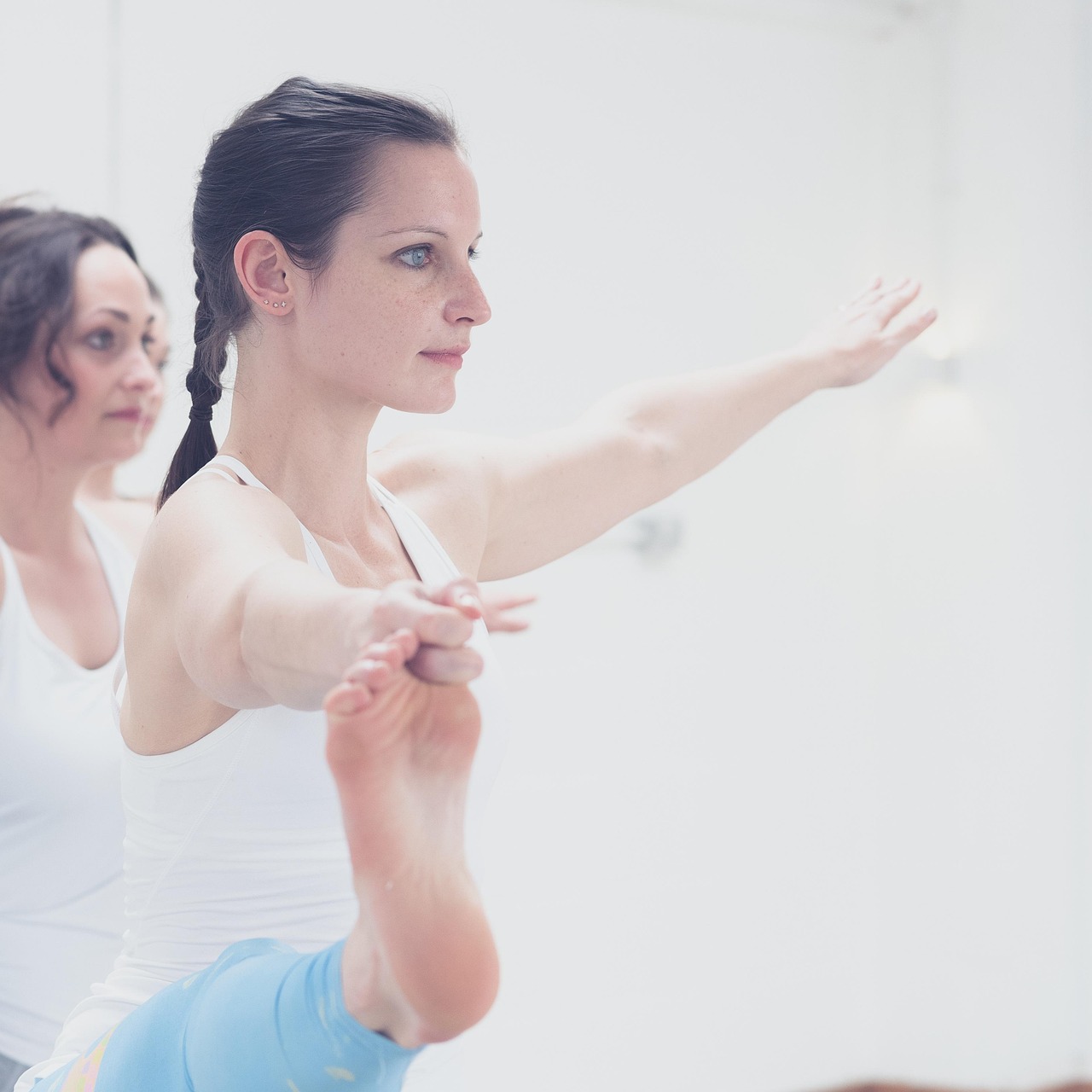
Yoga is often depicted simply as stretching, but it embodies much more. Many people assume flexibility is a prerequisite for practicing yoga, creating a barrier to entry. In reality, yoga aims to enhance flexibility universally, regardless of starting ability. This misconception can deter potential practitioners from enjoying its benefits. In yoga, practitioners engage with their current flexibility levels, fostering personal growth. Flexibility evolves gradually through consistent practice, allowing individuals to discover their limits and gradually push them. This process promotes a positive relationship with one’s body. Some individuals feel discouraged, assuming they must first achieve a high level of flexibility to begin. However, they can engage in yoga at any current capability. In fact, yoga accommodates various backgrounds and body types, inviting newcomers to explore their bodies positively. Ultimately, through a commitment to practice, individuals can experience increased flexibility, improved posture, and reduced tension. Additionally, consistent practice leads to mindfulness, helping reduce stress. Overall, yoga offers a comprehensive approach to personal well-being, and flexibility emerges as a beneficial byproduct of this journey, inviting everyone to participate.
Common Misunderstandings About Flexibility in Yoga
Another common misunderstanding regarding yoga for flexibility involves the misconception that flexibility can be achieved overnight. Many individuals view flexibility as an immediate goal rather than a gradual process. In reality, developing flexibility requires patience and consistent effort. Flexibility enhancements occur over time, and progress may be slow and subtle. As individuals practice different stretches and poses, they may not notice immediate change, leading to discouragement. However, practitioners can work on a range of flexibility levels suitable for their body types. Incorporating new poses and various movement patterns in daily life can help encourage flexibility, but yoga specifically focuses on creating a balanced approach. Furthermore, some may falsely believe that yoga is only for young and athletic individuals. Opposing this belief, yoga is accessible for practitioners of all ages, including seniors and those recovering from injuries. This inclusive nature fosters a supportive environment where practitioners can embrace their unique journeys. Gentle adjustments or alternative poses cater to individual needs, allowing diverse people to explore their potential for flexibility without limitations. This progressive learning path makes yoga an empowering experience.
While many see yoga as a personal journey, it often comes with community and shared experience. Some people assess their flexibility in comparison to others, reducing motivation. However, the beauty of yoga lies in its diversity. Each person’s body is unique, contributing to different flexibility levels. Attempting to emulate someone else’s poses can lead to frustration and injury. Instead, understanding and celebrating personal progress develops a stronger bond with one’s health. Over time, participants learn to trust their instincts while navigating different postures. Furthermore, practitioners should understand that yoga’s flexibility training extends beyond physical aspects. Emotional and mental flexibility can profoundly influence well-being. This holistic approach benefits practitioners, encouraging resilience in coping with life challenges. Individuals may discover that as their bodies develop flexibility, so too does their capacity to adapt emotionally. This awareness cultivates mindfulness, sharpening focus and achieving balance. As practitioners engage with their breathing, they enhance body awareness and relaxation, reducing stress. Emphasizing holistic growth helps individuals internalize lessons learned on the mat, transforming their overall experience. Increasing physical flexibility thus intertwines with emotional development, making yoga transformative and far-reaching in its benefits, amplifying overall well-being.
The Importance of Breath in Flexibility Training
The connection of breath to flexibility training in yoga is significant, facilitating deep stretching and awareness. Many practitioners underestimate breath’s value in enhancing flexibility. The breath serves as an anchor, guiding practitioners in each pose and promoting mindfulness. Through conscious breathing, individuals can study their physical capabilities, identifying areas for growth and relaxation. Breath control helps alleviate tension, allowing practitioners to enter deeper stretches safely. In demanding poses, breath becomes a reminder to ease into each movement carefully, fostering a sense of calm. Practicing deep breathing and synchronized movements cultivates self-trust and emotional well-being. Many yogis find that as they breathe deeply into poses, they experience increased flexibility and stress relief. Practitioners can enhance their sessions by focusing on breathing patterns while transitioning through stretches. By honoring their breath, individuals embrace the process of becoming more flexible over time and cultivate patience. Rather than merely achieving ideal postures, the focus shifts toward enjoying the practice itself. This connection creates a more fulfilling experience, as individuals celebrate their progress. Ultimately, integrating breath into yoga enhances flexibility training while creating a supportive atmosphere for personal growth.
Engaging with yoga for flexibility also builds self-awareness, drawing practitioners closer to their bodies and personal capabilities. As individuals develop their practice, adjusting their postures based on feedback from their bodies fosters a deep understanding of their needs. This heightened awareness helps prevent injuries, as practitioners learn to recognize their limits and adapt accordingly. Over time, this self-awareness translates into confidence both on and off the mat. Additionally, exploring new flexibility techniques integrates creativity into the practice, making it enjoyable. Participants can experiment with various poses and discover what resonates with them. This exploration may lead to breakthroughs in flexibility, igniting motivation to continue their yoga journey. Some might even find partnerships in classes, sharing knowledge and assisting peers. Having a supportive environment entirely complements efforts. Creating space for collaboration strengthens the community, enhancing everyone’s experience and commitment to yoga. Practitioners can also explore different styles of yoga that prioritize flexibility, such as Yin or Hatha yoga. These styles emphasize deep stretches, making flexibility enhancements more accessible. Overall, nurturing self-awareness while practicing yoga empowers individuals to take control of their growth journey, deepening their connection to flexibility.
Embracing the Journey of Flexibility
Embracing the journey toward flexibility is essential in cultivating a long-lasting yoga practice. Flexibility is not merely the ability to bend but reflects personal growth inside and out. Establishing personal goals allows practitioners to track progress meaningfully. Setting achievable targets promotes motivation, and celebrating small victories encourages adherence to the practice. As flexibility gradually develops, practitioners can recognize how perseverance transforms their abilities. Advocating for patience reinforces that yoga is about the journey, not just destination. Practitioners may find themselves surprised by the unexpected gifts yoga brings, such as improved mental clarity and stress relief. These takeaways enhance daily life, showcasing yoga’s benefits beyond flexibility training. The journey invites individuals to engage in self-care, creating a holistic approach to health. Additionally, reinforcing that challenges contribute to strength invites deeper reflection. As individuals navigate flexibility training, they recognize that difficulty does not equate to failure, creating resilience. Embracing uncertainty allows practitioners to breathe and explore their limits. This practical understanding transitions individuals into a growth mindset, motivating continuous self-improvement. By steering focus away from outcomes and emphasizing experiences, yoga fosters mind-body connection, propelling participants toward flourishing lives.
Ultimately, the interplay between yoga and flexibility training is an enriching experience. Recognizing myths helps dispel misconceptions, lowering barriers to entry for all. As people maintain their unique journeys, embracing the physical, emotional, and mental aspects of yoga elevates the practice. Many individuals report revitalization through yoga, feeling empowered by their unfolding journeys. Understanding the importance of breath not only supports flexibility training but enhances the entire experience, encouraging mindfulness. Moreover, fostering community dynamics promotes collective growth, further deepening engagement. People may find inspiration in the variety yoga presents, discovering new styles and approaches that resonate with their journey. As practitioners honor the process, become aware of their bodies, and participate in an open dialogue with others, their practice becomes transformative. The ultimate goal is not to conform to an illusion of flexibility but to explore one’s potential authentically. Additionally, yoga’s extensive benefits extend far beyond flexibility, as individuals discover enhanced overall well-being, confidence, and resilience. The journey matters most; practitioners learn through their experiences, embracing themselves fully in the practice. Flexibility ultimately becomes just one facet of the broader, enriching yoga journey.