
How to Modify Common Sports for Wheelchair Users’ Fitness
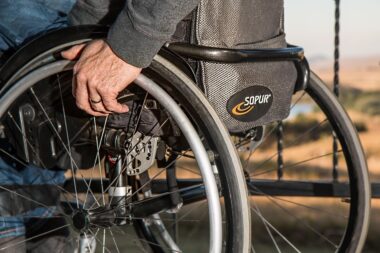
Adapting sports for wheelchair users involves understanding specific needs and limitations. Traditional sports can be modified to ensure all participants have access to enjoyable and effective workouts. By focusing on inclusivity, communities can create opportunities for wheelchair users. This benefits individuals both physically and psychologically. One major consideration is the type of wheelchair used. Wheelchairs designed for sports offer enhanced functionality, allowing users to maneuver more easily during games. Additionally, it’s essential to consider the environment in which the sports will be played. Outdoor activities need accessible surfaces, while indoor sports require ample space for movement. Another critical aspect is the modification of rules; many sports have standard regulations that need adjusting for wheelchair play. For example, in basketball, traveling rules can be adapted, allowing for easier maneuvering. Engaging professional trainers familiar with adaptive fitness is invaluable for creating tailored programs. Training sessions should focus on skills development, endurance, and strength. Lastly, fostering a supportive community can help in building confidence and motivation among wheelchair users. Empowering individuals to embrace adaptive sports can lead to healthier lifestyles and a stronger sense of belonging.
Basketball is a widely enjoyed sport that can be structured for wheelchair users with exciting adaptations. Standard basketball rules can be modified, but the core gameplay remains engaging. Players can use sport-specific wheelchairs designed for agility and speed. Training can start with basic skills, such as dribbling and passing in their chairs. Coaches should emphasize proper techniques to ensure safety while developing skills. Additionally, drills should target fitness to improve strength, endurance, and coordination. Breaking down skills into simple components helps athletes grasp techniques more easily. For instance, practicing free throws can enhance shooting accuracy. Inclusivity encourages teamwork, allowing wheelchair users to compete alongside teammates and learn from one another. While competitive levels may vary, the focus should be on enjoyment and personal growth. Regular games with mixed-ability teams contribute to a thriving atmosphere. To further this mission, schools and organizations can offer workshops and clinics focused on wheelchair basketball. Establishing partnerships with local sports clubs can generate resources and support for events. Moreover, community sponsorships can facilitate access to equipment and venues, making participation a reality for more individuals. Overall, adaptive basketball can elevate physical fitness and camaraderie among participants.
Adapting Soccer for Wheelchair Fitness
Soccer, renowned worldwide, offers an exciting opportunity for wheelchair users to participate actively. Modifying soccer includes establishing new guidelines while maintaining the thrilling aspect of the game. Players can use specialized wheelchairs that allow them to navigate the field effectively. A few essential adjustments made to the scoring system can make the game more exciting for wheelchair players. For example, the goals can be wider, accommodating shots from various angles, and teams can consist of players with and without disabilities. This, in turn, promotes inclusivity and camaraderie. Training sessions should emphasize coordination, teamwork, and ball control. Dribbling and passing exercises help build the essential skills necessary for successful gameplay. Coaches may implement drills that focus on speed and agility, ensuring participants develop their abilities holistically. Another aspect to consider is the type of surface where the game is played; ensuring accessibility is crucial for a successful soccer event. Introducing friendly matches between teams from diverse backgrounds enhances social integration. Additionally, organizing local tournaments can motivate players to participate, showcasing their skills. These events help build community bonds and inspire aspiring athletes. Overall, wheelchair soccer represents an accessible, dynamic sporting environment for all.
Rugby is another high-energy sport that has gained traction in the wheelchair community. Adaptations for wheelchair rugby focus on rule modifications and equipment, ensuring a challenging and stimulating experience. Players utilize specially designed wheelchairs, which allow for the rough contact typical of rugby, providing an exhilarating environment. Game modifications can include changes to scoring and possession rules, making play more inclusive and dynamic. Training should emphasize fundamental skills such as passing, blocking, and strategy development. Coaches can create drills that focus on teamwork, emphasizing communication during gameplay. Functional fitness and strength-building exercises are crucial components of training sessions, as increased physical resilience contributes to better performance. Adaptations in rugby can be mirrored in local leagues, establishing common understanding among teams with varying abilities. Regular practice meets and friendly competitions motivate participants and foster a sense of community. Moreover, engaging spectators at events raises awareness about adaptive sports. Prominent wheelchair rugby tournaments can attract attention from non-disabled individuals, highlighting the excitement and competitiveness of the sport. By showcasing the talent of wheelchair rugby players, we can further breakdown stereotypes surrounding disability and promote greater acceptance in the sporting world.
Fitness and Wellness for Wheelchair Users
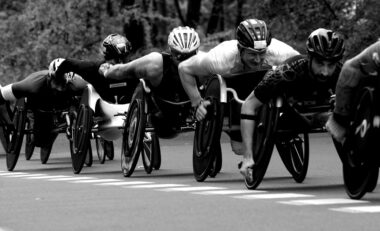
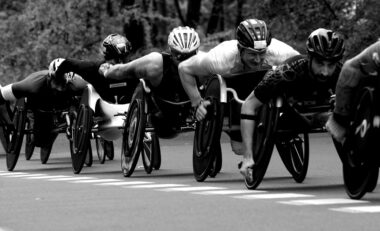
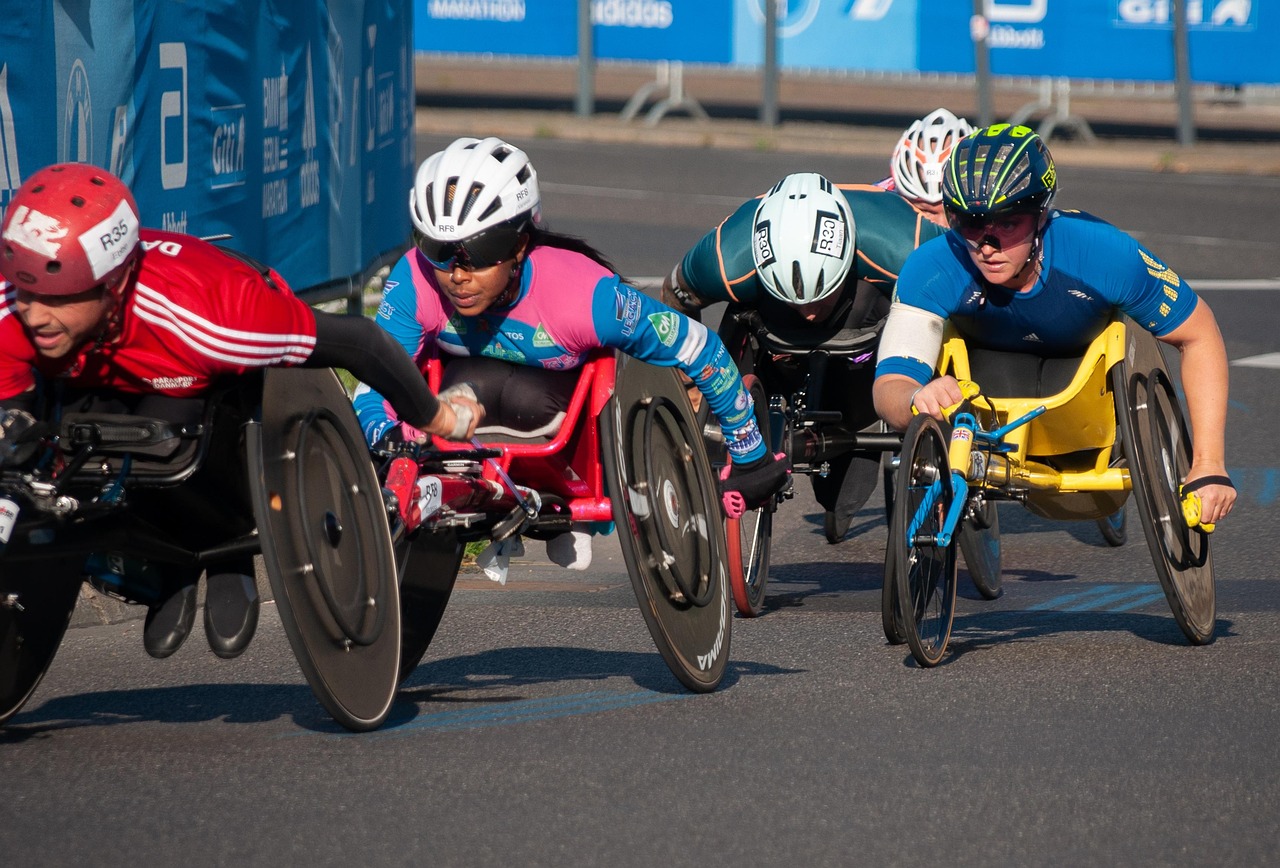
Aside from competitive sports, promoting general fitness routines specifically tailored for wheelchair users is vital. Incorporating strength training, cardio, and flexibility exercises prepares individuals for everyday life and sports. Firstly, strength training is essential as it helps build and maintain muscle mass. Correct weightlifting techniques can be incorporated using resistance bands and light weights. It’s essential to focus on the upper body, specifically the core and arms, as they play crucial roles in mobility. Secondly, cardio exercises, such as wheelchair racing or using adaptive exercise equipment, provide an excellent method for improving cardiovascular health. Interval training can enhance endurance while keeping workouts diverse and enjoyable. Thirdly, flexibility exercises help improve overall mobility, which is essential for navigating both sports and daily tasks. Stretching can be easily integrated into routine practices, ensuring participants maintain an adequate range of motion. These fitness regimes can be scheduled in pairs or small groups to foster social interaction and motivation. It is crucial to celebrate personal achievements, no matter how small they might seem. This empowers individuals on their fitness journeys, fostering a sense of accomplishment and commitment.
Community engagement is crucial in promoting adaptive fitness programs and encouraging participation among wheelchair users. Establishing clinics and workshops tailored for individuals with disabilities fosters inclusiveness and creates a stronger support network. Local organizations can collaborate with fitness centers, schools, and sports clubs to develop dedicated programs targeting wheelchair users. Awareness campaigns focusing on the benefits of adaptive fitness serve to educate the broader community. Continual outreach efforts can help break down barriers, helping individuals feel motivated to participate fully. Providing access to adaptive sports equipment is essential for equal participation; funding initiatives may help acquire necessary gear. Various programs can coordinate volunteers who assist individuals in adapting workouts as needed. Direct support from local leaders can significantly enhance participation by fostering inclusive environments and promoting opportunities for wheelchair sports. Organizing fun events, such as community days or open houses, allows for hands-on experiences that can capture interest. These gatherings offer athletes a chance to showcase their abilities and engage new participants in adaptive fitness activities. Over time, these community efforts can have a lasting impact, encouraging a culture of acceptance around adaptive sports and fitness.
Conclusion: The Future of Adaptive Fitness
In conclusion, adapting common sports and fitness routines provides exceptional benefits for wheelchair users. By modifying sports like basketball, soccer, and rugby, inclusivity becomes achievable, and participants experience a sense of belonging. Comprehensive fitness programs promote overall well-being and develop important skills that enhance mobility in daily life. With a strong community engagement component, local organizations can champion these initiatives, leading to greater awareness and participation. The adaptability of wheelchair sports allows for a broader range of individuals to engage in physical activity while enjoying a social atmosphere. Encouraging partnerships with schools, non-profits, and fitness centers can help expand the reach of adaptive sports. Creating resources and training opportunities can empower coaches and participants alike. Showcasing success stories within the local community will further inspire new participants to join adaptive fitness programs. As momentum builds, we can envision a future where adaptive fitness is a vital component of wider health and wellness discussions. Through collaborative efforts and dedication, wheelchair users will have a diverse range of options for engaging in sports that keep them active, healthy, and connected.