
Goblet Squat Drills to Perfect Your Posture and Balance
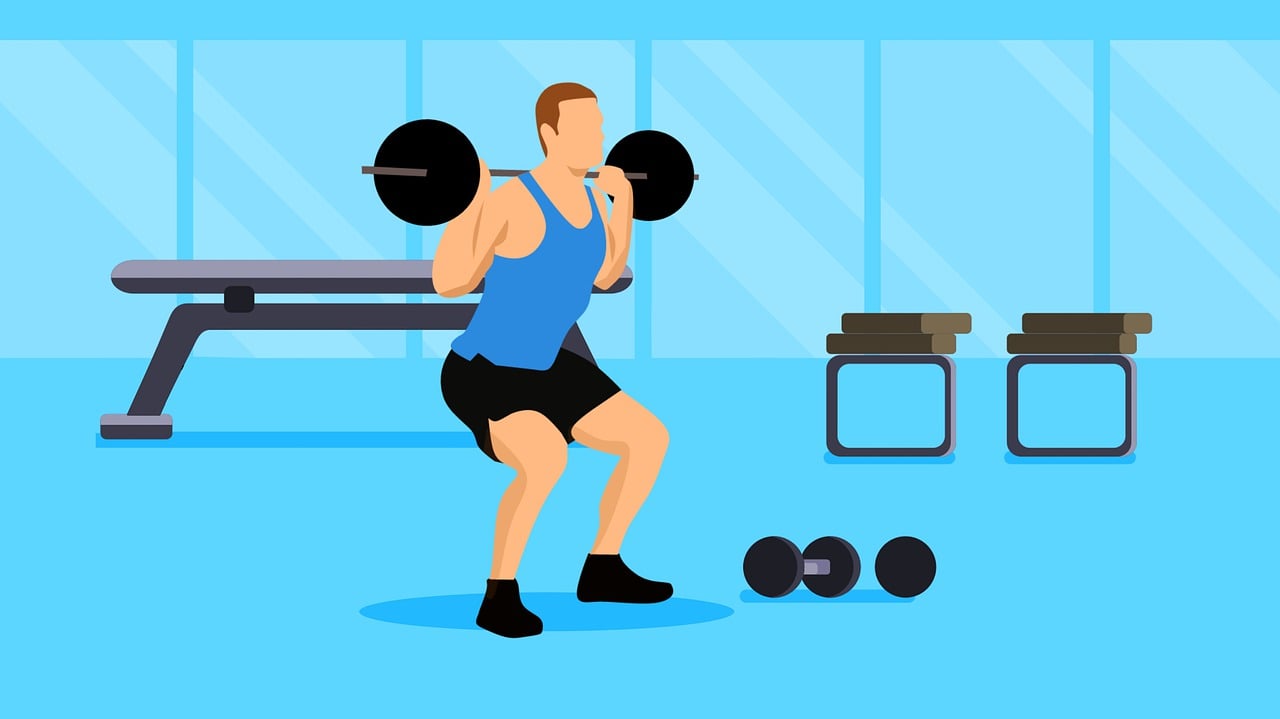
The goblet squat is an essential exercise for developing proper squat mechanics, enhancing balance, and building lower body strength. This exercise allows athletes to maintain an upright torso while performing the squat, which engages the core and stabilizes the body. It serves as an excellent introduction to squatting, especially for beginners or those looking to fine-tune their form. In this article, we will explore a variety of goblet squat drills that focus on refining your technique. Understanding body positioning is crucial for successful execution, so start by holding a dumbbell or kettlebell close to your chest with both hands. Feet should be shoulder-width apart, and toes may point slightly outward for comfort. When you descend into the squat, focus on pushing your hips back while maintaining a straight spine. Strengthening muscle memory through repetition is vital for mastering the goblet squat. As you become more proficient in this fundamental movement pattern, you will notice improvements in your overall strength and performance in various athletic activities. Let’s delve into some effective drills that will help you achieve optimal goblet squat technique.
Essential Goblet Squat Drills
To ensure you perfect your goblet squat technique, here are several essential drills that can help you and each drill aims to target specific areas of your squatting form. The first drill is the wall squat, where you practice performing squats against a wall. This action encourages proper alignment by keeping your knees from extending beyond your toes. Stand facing the wall, holding the weight at your chest while positioning your feet about a foot away from the wall. Next, practice the paused goblet squat. Lower yourself into the squat position, and hold it for 3 to 5 seconds before returning to the starting position. This drill builds strength and stability in the squat. Another effective drill is the goblet squat to a box, where you squat down onto a box, focusing on controlled descent and ascent. Lastly, incorporate isometric holds at different depths to improve your strength in various positions. These drills combined with consistent practice will significantly enhance your goblet squat execution, improving your overall posture and balance as well.
Incorporating the goblet squat into your training routine helps improve mobility and stability as well. To maximize your performance during the squat, it’s essential to maintain adequate mobility in the hips and ankles. For this reason, consider adding dynamic stretching to your warm-up. Focus on exercises such as hip circles, ankle pumps, and alternating lunges to loosen up those areas before your workout. Additionally, incorporating static stretches post-training can enhance flexibility around your hips and lower back. Static stretches include the pigeon pose, seated forward bend, and wall stretches, allowing tighter muscles to relax. Consistency is key when developing any new skill, including the goblet squat. Try incorporating these mobility drills into your routine two to three times per week. As you improve in mobility, you’ll find it easier to maintain proper squat form and balance during your goblet squats. By working on both strength and flexibility, you’ll create a solid foundation for further progressing your lifting and athletic capabilities. Remember to listen to your body and adjust the frequency and intensity of your workouts, as individual needs vary.
It’s essential to focus on breathing during goblet squat drills, as it greatly influences your performance. Proper breathing technique helps maintain core stability and oxygenate the body during the movement. Initiate your squat with a deep breath, allowing your diaphragm to expand as you lower yourself. Hold your breath momentarily at the bottom of the squat before exhaling as you rise back up. This breathing pattern helps increase intra-abdominal pressure, providing more support for your spine throughout the exercise. Practicing controlled breathing techniques will help you develop a rhythm during your squats, which can improve overall balance and coordination. To master breathing during squats, consider starting with lighter weights to focus on form and breathing synchronization. As you gain confidence and proficiency, gradually increase the load. Furthermore, try performing sets of goblet squats at various tempo rates. For instance, slowly descend counts of three while holding the weight, and then rise back up at a controlled pace. By doing so, you’ll become more aware of your body mechanics and how they relate to breath control, promoting better muscular activation and posture in your lifts.
Progressive overload is the foundation of building strength and enhancing skill in the goblet squat. Once you feel comfortable with your technique and can perform a sufficient number of repetitions, it’s time to challenge yourself further. Start increasing the weight of the dumbbell or kettlebell you are using for the goblet squat. Gradually increasing load while maintaining good form will help you avoid plateaus in strength development. Another method of progressive overload is by varying your squat variations. Implementing front squats with a barbell can provide a new challenge, as the center of gravity shifts, requiring extra stability. Additionally, you can modify tempo, modifying the speed at which you descend into a squat, or include drop sets, where you perform a heavy set followed by lighter sets. These techniques push the muscles to adapt and grow in response to increased demands. Remember to give yourself adequate recovery time between workouts to promote muscle healing and growth. Monitoring your progress through a training log can help motivate you and keep you accountable for your goals, ensuring you remain focused on refining your squat technique as you advance.
As you continue with your goblet squat training, consistency and frequency become key components of crafting your technique and performance. Aim to incorporate these drills into your regular strength training schedule at least two to three times a week. A well-structured routine allows you to track improvements over time and motivates you to push your limits. Don’t forget to periodically assess your form, preferably with the help of a trusted training partner or coach to provide constructive feedback. Using mirrors or video to analyze your squatting pattern can also shed light on areas for improvement or adjustments. Set specific goals for each training session, whether it’s achieving a higher weight, maintaining perfect form, or completing a set number of repetitions. Celebrating these small milestones will keep your motivation high and highlight the importance of persistence in your training. Also, take care to switch up your training environments from time to time to maintain engagement and freshness in your routine. Engaging in community workouts or classes can introduce new challenges and techniques, further enhancing your goblet squat expertise.
Finally, acknowledging the importance of recovery in your training is crucial as you work to perfect your squat technique. Engaging in recovery practices supports muscle healing, reduces soreness, and helps in maintaining your overall performance. After each workout, take time for proper cool downs through gentle stretching exercises targeting the hips, quads, and hamstrings. Consider working on foam rolling to release tight muscles, pinpointing areas in need of extra attention. Additionally, hydration and nutrition play significant roles in recovery. Ensuring that your body gets adequate fluids and balanced nutrients will provide the necessary resources to support muscle repair and growth. Prioritize protein intake, especially post-workout, as it aids in muscle recovery and development. If you find that you are experiencing persistent discomfort or pain, consult a professional physical therapist or sports coach. They can provide targeted exercises and modification strategies to enhance your recovery while progressing your weightlifting technique. Ultimately, embracing a holistic approach that includes training, recovery, and rest periods will set the stage for skyrocketing improvements in your goblet squat performance.