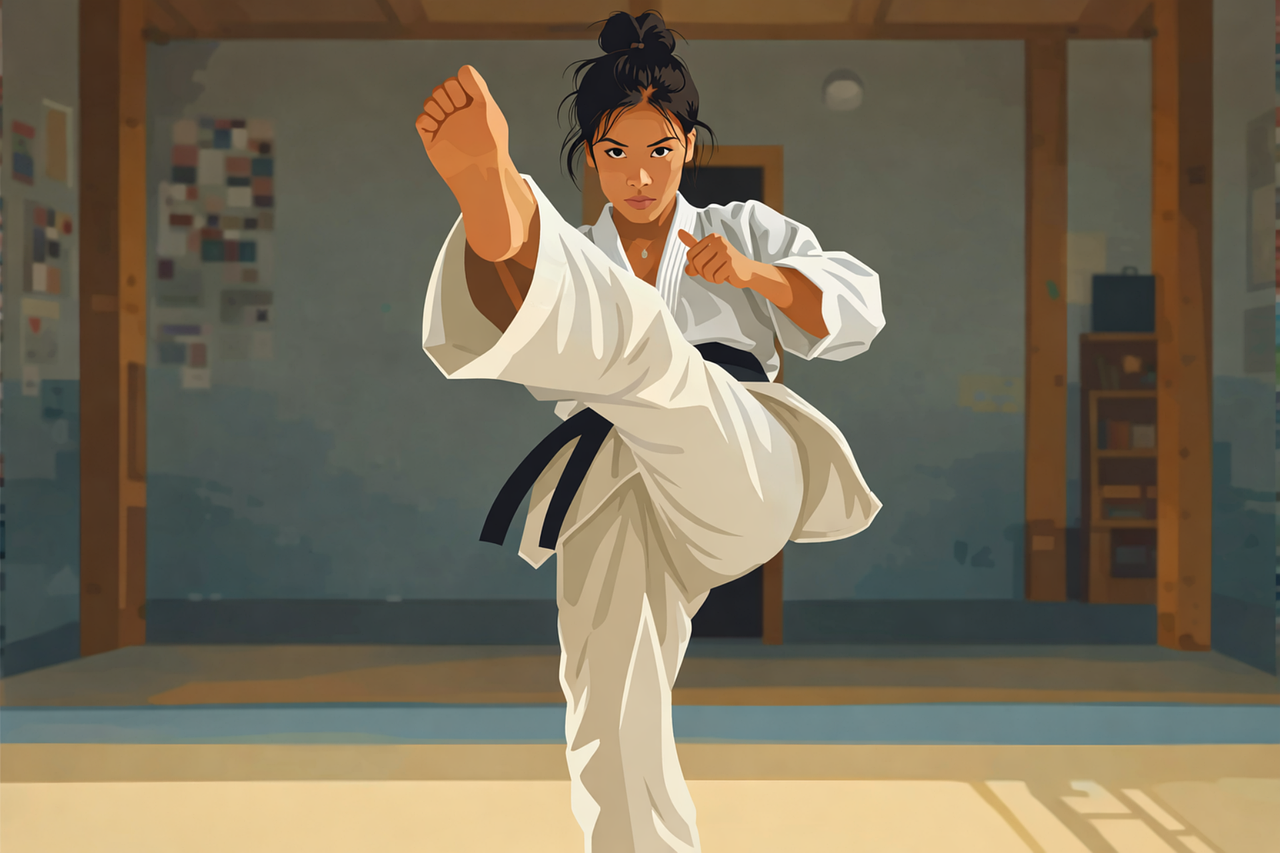

Building Self-Confidence Through Martial Arts
Martial arts provide more than just physical fitness; they can transform one’s self-confidence significantly. The structured environment of martial arts classes creates a haven for personal growth. Participants learn discipline, respect, and perseverance through rigorous training routines. One key aspect is the progress made with each belt promotion, which instills a sense of accomplishment in practitioners. Overcoming challenges in martial arts boosts belief in personal abilities. Students also discover how to set and achieve goals systematically. This empowering journey encourages individuals to push beyond their perceived limits. As physical strength develops, so does mental resilience, which is vital for facing life’s challenges. The supportive, community-oriented atmosphere enhances social interaction, reducing feelings of isolation and anxiety. Joining a martial arts class means becoming part of a team that encourages each other’s growth. This camaraderie fosters friendships that contribute to an overall positive self-image. The mental benefits of martial arts practice include improved focus, self-control, and increased assertiveness. Together, these elements form the foundation upon which self-confidence builds and flourishes. Ultimately, martial arts become a life-enhancing pathway towards mental and emotional wellness, benefiting students in many aspects of life.
The Psychological Benefits of Martial Arts
Practicing martial arts contributes significantly to mental health, enhancing both clarity and emotional well-being. As individuals train, they learn how to manage stress effectively through physical exertion and mental focus. The rhythmic movements and breathing techniques provide a unique form of meditation, promoting relaxation. Moreover, achieving success in martial arts creates intrinsic motivation that transcends the dojo. Practitioners find that their newfound self-assurance in martial arts spills over into their personal and professional lives. Embracing challenge fosters resilience, allowing individuals to recover quickly from setbacks. Self-defense techniques instill a sense of safety, which positively affects muscle memory and reflexes. As individuals grow more skilled, their confidence increases, thanks to mastering complex techniques and strategies. Furthermore, martial arts training helps to cultivate mindfulness, heightening awareness of the present moment. This focus can decrease anxiety levels and improve mood. The collaborative training settings encourage a sense of belonging and community support, strengthening social connections. Participants engage in respectful interaction, often leading to profound friendships. Such connections enhance one’s self-esteem as they provide validation and acknowledgment, essential components for mental stability and overall happiness.
Building self-confidence through affirmations and mentoring is crucial in martial arts. Instructors serve as role models who cultivate positive self-talk and build resilience in their students. This relationship promotes mutual respect, creating a safe environment for learners to express vulnerability. Regular feedback from instructors boosts confidence by recognizing students’ progress and efforts; consistent praise and constructive criticism is vital for growth. Engaging in friendly competitions or sparring partners can also foster a more profound sense of achievement. Competing against peers helps individuals confront their fears, teaching them to handle success and failure gracefully. Students learn that it’s normal to struggle before mastering skills, and this realization reduces performance anxiety. Sharing their journey with others further enhances self-assurance as they celebrate collective victories. Workshops and camps add enrichment through shared experiences, bringing different martial arts styles together. Focused events encourage goal setting and personal reflection, which are essential for nurturing self-belief. Overall, integration of mentorship, affirmations, and shared victories fuels personal development within the martial arts community. Therefore, the supportive nature of martial arts effectively builds sustainable self-confidence beneficial for life.
Consistency is vital in martial arts training, promoting discipline and thus, building self-confidence. Adhering to a regular regimen helps individuals accomplish incremental goals, allowing skill refinement over time. The sense of responsibility enhances self-discipline, which can be applied outside martial arts. Such discipline translates into better performance in academics and professional settings, as individuals cultivate strong work ethics. Additionally, regular practice develops muscle memory that boosts confidence during applications of techniques. As students progress, they recognize their physical capabilities, allowing them to embrace challenges with confidence. Accountability nurtured in martial arts training encourages reflection and self-assessment, promoting a culture of continuous improvement. Attending classes consistently challenges participants to develop their own willpower and realize their potential. With each attendance, the backup of instructor feedback complements the experience, motivating students continuously. Integrating physical, mental, and emotional components of training creates a holistic development approach. The framework within martial arts encourages adapting to adversities and embracing change positively. Ultimately, lasting self-confidence develops when individuals consistently practice, assess, and play a proactive role in their journeys towards self-improvement through martial arts.
Overcoming Insecurities Through Training
Martial arts training can be transformative for those struggling with insecurities and self-doubt. Many individuals face personal challenges regarding their physical appearance, abilities, or social anxieties. Martial arts provide a supportive framework for confronting and overcoming these fears effectively. As practitioners learn techniques, they gain a sense of empowerment that replaces insecurities. Facing opponents in controlled sparring helps individuals develop courage in vulnerable situations. Exposure to constructive criticism within class helps refine skills while simultaneously building comfort in one’s capabilities. Improvement gained through perseverance teaches students to appreciate progress rather than fear failure. Furthermore, participants learn to channel negative emotions into productive training, which aids personal development. The structured routine creates a stable foundation for mental strength, encouraging practitioners to approach life’s uncertainties with newfound confidence. By facing fears through sparring or techniques, students cultivate greater self-esteem through resilience. They focus on personal achievements rather than comparing themselves with others. This shift in perspective fosters self-acceptance and paves the way for deeper emotional growth. Ultimately, martial arts create the perfect arena for transforming insecurities into strengths that can be utilized across various aspects of life.
In addition to physical training, martial arts often emphasize the development of mental clarity. Awareness of one’s thoughts and emotions is foundational in martial arts practice. Participants are trained to focus their minds on the present moment, cultivating mindfulness that aids in managing anxiety and stress. Techniques like meditation and controlled breathing are routinely integrated into sessions. Engaging in these practices sharpens students’ mental acuity, allowing for greater concentration during training. This mental fortitude complements their physical growth and boosts self-confidence. By learning to focus both mind and body, individuals find they can overcome external challenges with better emotional control. Research has shown that mindfulness reduces symptoms of anxiety and depression while increasing overall satisfaction in life. Martial arts can provide an outlet for understanding and articulating feelings, further promoting emotional resilience. The sense of achievement gained from mastering techniques reinforces the ability to tackle life’s other hurdles. Additionally, the harmonious connection between mental discipline and physical movement enhances confidence during public or social scenarios. Thus, martial arts serve as a powerful tool for overall mental health, urging individuals toward sophisticated self-awareness and emotional intelligence.
Conclusion: Transformative Journey
Engaging in martial arts is more than merely a physical practice; it is an enriching journey towards building self-confidence. Through consistent training, mental clarity, and supportive communities, individuals cultivate resilience and inner strength that transcend the dojo. The overarching structure of martial arts provides invaluable resources for addressing insecurities and fostering mental wellness. The disciplined environment enables practitioners to harness their potential, learn vital life skills, and overcome obstacles effectively. Community connections provide social support, enhancing self-esteem through shared experiences and encouragement. As students face challenges and celebrate personal achievements, they embrace a new mindset that embraces growth. Learning to set realistic goals through various belt promotions instills a sense of purpose. The mental benefits derived from training extend beyond physical accomplishments, yielding immeasurable personal growth. Consequently, martial arts emerge as a catalyst for positive life changes that empower individuals to navigate future challenges confidently. Overall, martial arts offer profound insights into believing in oneself and empowering others. For anyone seeking personal transformation, martial arts stand as a guiding avenue supporting journey toward lasting self-confidence.
As a form of personal development, martial arts not only provide physical fitness but also a superior mental framework for overcoming life’s challenges. Alongside feelings of empowerment, martial arts training fosters emotional awareness necessary for handling stress and anxiety effectively. Engaging with others in a supportive martial arts community amplifies these benefits by creating meaningful connections and friendships. With the continuous cycle of learning, students experience firsthand how perseverance pays off. The mindful approach towards practice ensures that individuals remain present, thereby enhancing overall mental clarity. Moreover, martial arts promote boundaries and respect, crucial components of personal relationships. Practitioners discover the importance of empathy through their training, which helps enhance emotional intelligence and interpersonal skills. All these factors combined create a holistic approach to mental health, where individuals learn the balance of emotional and physical well-being. As self-doubt diminishes, the journey of self-discovery flourishes. The empowerment gained from mastering various techniques enables more profound interactions and greater self-acceptance. As individuals find confidence through martial arts, their lives become imbued with purpose and passion, creating a fulfilling existence. Ultimately, martial arts shape not only confident practitioners but also compassionate individuals ready for life’s myriad challenges.