
Bodyweight vs Equipment: Postpartum Home Workout Guide
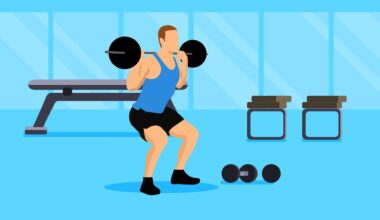
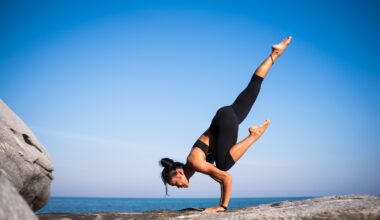
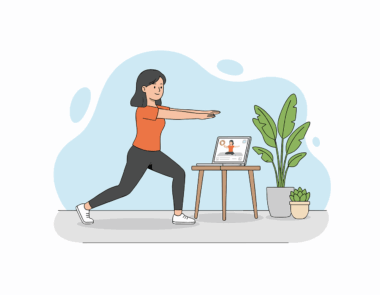
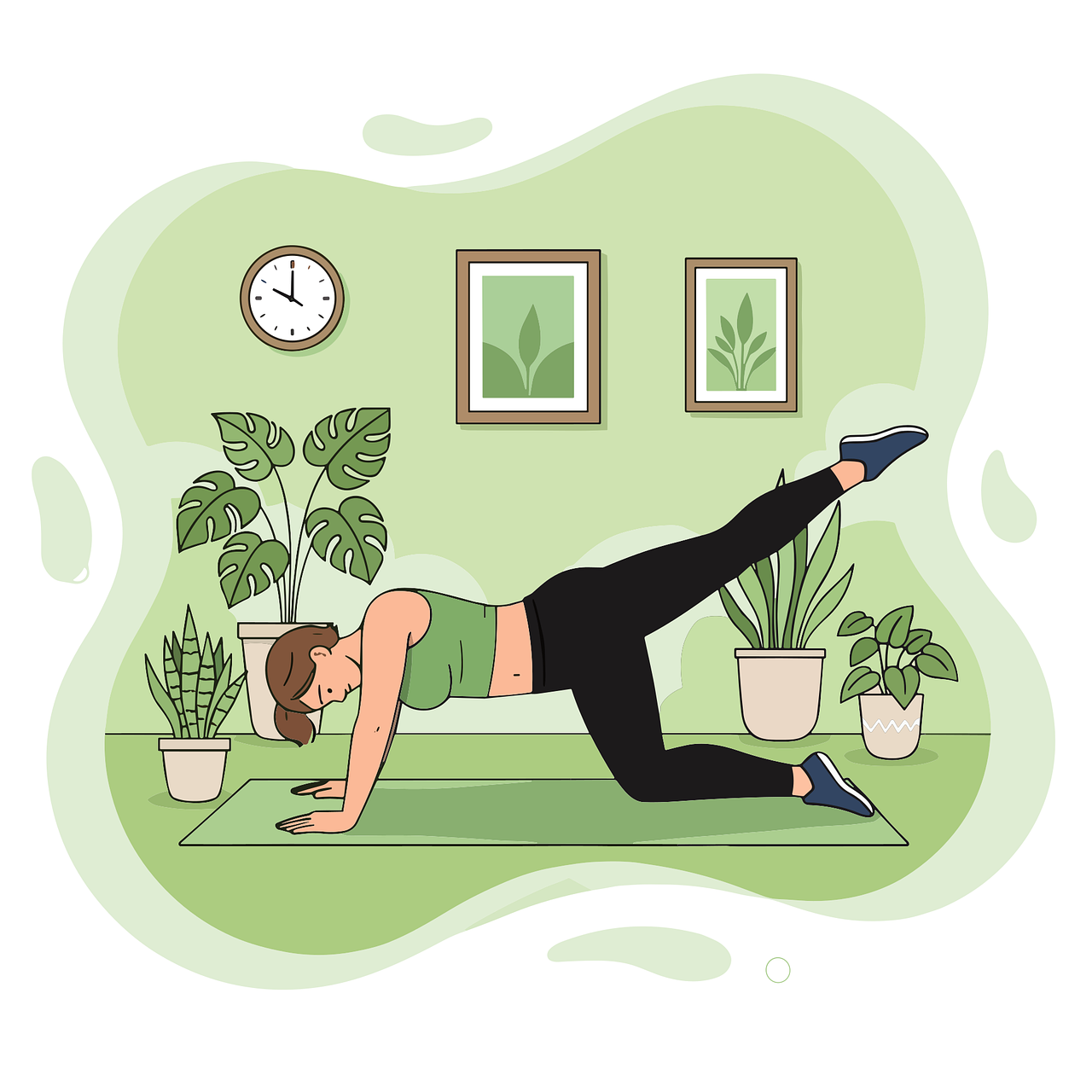
Postpartum fitness is a crucial aspect of recovery for new mothers. Following childbirth, many women seek ways to regain strength and overall well-being. At this stage, choosing the right workout method is essential. Bodyweight exercises offer remarkable benefits, as they help build core stability without additional strain. Utilizing your own bodyweight can effectively strengthen muscles and improve cardiovascular health. Moreover, exercising at home eliminates travel time and promotes ease of accessing workout routines. New mothers often face tight schedules, so home workouts can seamlessly fit into their routines. Furthermore, no equipment is necessary for bodyweight exercises, ensuring everyone can participate. Simple movements like squats, push-ups, and planks can be adjusted to suit various fitness levels. Also, bodyweight workouts provide versatility and can be modified as you progress, making them suitable for postpartum recovery. With consistency, mothers can gradually improve their strength and stamina, contributing to overall health. Ultimately, the choice between using bodyweight or equipment lies in personal preference and comfort during postpartum. It’s important to find what works best for you and what feels enjoyable while staying active.
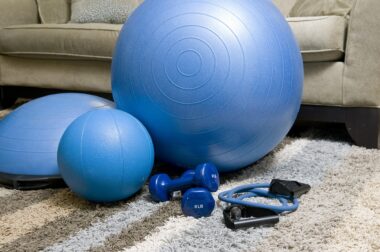
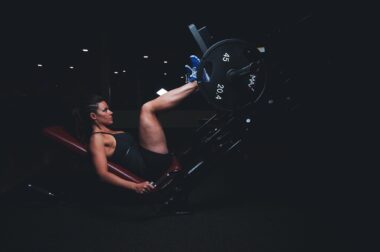
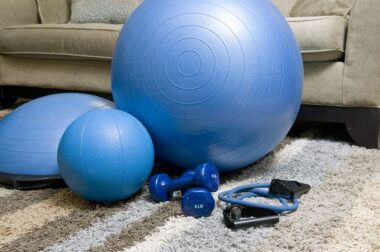
As you explore options for postpartum workouts, consider the merits of using specialized fitness equipment at home. Equipment such as resistance bands, dumbbells, and stability balls can enhance your workouts significantly. These tools are designed to provide added resistance and support during exercises. For instance, resistance bands can aid in building strength without placing undue stress on your joints. They allow you to gradually increase difficulty and adapt to your postpartum body. Dumbbells, on the other hand, can be used for exercises targeting specific muscle groups. This can lead to improved overall strength and tone, vital for regaining pre-pregnancy body wellness. Stability balls help engage the core and improve balance, essential factors for postpartum recovery. With equipment, workouts can be varied and tailored to meet your unique needs. Choosing appropriate equipment can also motivate you to commit to fitness. Therefore, consider your living space and budget, as well as your fitness goals, before purchasing. When introducing workout routines, ensure you’re aware of the postpartum body’s specific needs and limitations, and always consult a healthcare professional to ensure a safe return to fitness.
Combining Bodyweight and Equipment
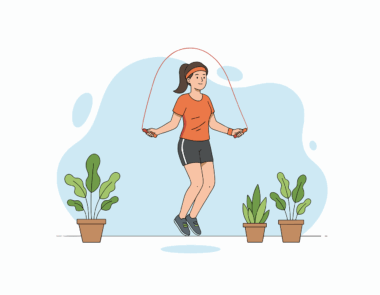
One effective approach to postpartum fitness is to combine bodyweight exercises with fitness equipment. This strategy can optimize your workouts by integrating the unique benefits of both methods. For example, start with bodyweight exercises to warm up, such as jumping jacks or high knees to elevate the heart rate. Following this, you can transition to weights or bands to develop strength. The combination allows you to effectively target multiple muscle groups while maintaining a fun workout. Additionally, alternating between methods can prevent workout plateauing and keep routines enjoyable. Design a balanced routine incorporating different exercises using both bodyweight and equipment. You may perform squats with a kettlebell or lunges with resistance bands for added intensity. On a different day, focus on strength training using bodyweight movements for your core, such as planks and mountain climbers. Remember to listen to your body and continue adjusting the difficulty of workouts. Always prioritize safety by ensuring correct form to avoid injury, especially during the postpartum period. Engage in a mix of flexibility and strength work, empowering yourself to regain fitness and energy while caring for your little one.
Creating a postpartum workout routine requires consideration of several factors. First, it’s essential to determine your fitness level and be aware of your body’s needs after childbirth. Your routine should progress slowly, especially if you have undergone a cesarean section. Taking things at your own pace is crucial for both safety and effectiveness. Setting realistic goals can also keep you motivated during your fitness journey. Always include a warm-up and cool-down in your exercise regimen, regardless of whether you choose bodyweight or equipment-based workouts. This practice helps prevent injury and promotes flexibility. Hydration and nutrition also play a vital role in recovery. Proper fuel aids your body in bouncing back, especially during physical activities. Each workout session should ideally last between 20 to 40 minutes, and tailoring this duration can help manage your time effectively. Remember, postpartum fitness focuses on overall well-being rather than quick results. Consistency will yield improvement over time. Finally, connect with a community or engage a workout buddy, especially another new mom. Sharing experiences and workouts can help keep you accountable and enthusiastic about your postpartum fitness journey.
The Emotional Benefits of Fitness
Aside from physical aspects, postpartum fitness imparts remarkable emotional and mental benefits. Engaging in regular workouts can help boost mood levels through the release of endorphins—the body’s natural stress-relievers. This emotional enhancement is particularly important for new mothers who might experience the baby blues or other challenges post-delivery. A consistent exercise routine fosters a sense of achievement; it improves self-esteem and body image as you witness progress over time. Additionally, exercising can serve as a positive outlet for stress and anxiety, offering a much-needed break amidst parenting. Finding a routine that includes both bodyweight and equipment fosters variety and sustains interest. Moreover, working out can create social connections; attending classes or joining groups with fellow new moms can help build friendships and support networks. These connections can significantly assist emotional well-being. Focus on self-care during postpartum by prioritizing fitness. Whether you choose to exercise with minimal equipment or purely bodyweight, both methods provide excellent opportunities for self-improvement and personal growth. Creating a better version of oneself will positively influence both your family life and motherhood experience.
To successfully execute postpartum fitness, employing the right resources is essential. Start by researching and obtaining workout plans tailored for postpartum women. Numerous online platforms provide free or paid programs designed to suit varying fitness levels and objectives. Look for reputable sources, ensuring the workout programs factor in postpartum challenges. It’s also wise to seek advice from physical therapists or trainers specializing in postpartum recovery, providing personalized guidance on safe exercises. If you prefer community engagement, consider joining local fitness classes specifically catered to new mothers. These classes often focus on restorative movements while offering a chance to form social relationships. Furthermore, many online resources and apps offer guided workouts and instructional videos that fit easily into life as a new mom. Many routines are quick yet effective, making it easier to stay consistent. Don’t hesitate to ask other mothers for recommendations on workout tools or resources they’ve found helpful. As you assess your resources and options, understand that building your postpartum fitness also requires patience and dedication. Commit to your health journey, embracing small progress while still balancing your responsibilities as a new parent.
Conclusion and Next Steps
In conclusion, postpartum fitness is vital for new mothers seeking to restore their strength. Whether opting for bodyweight workouts or incorporating equipment, both methods offer significant benefits. The key is to find a routine that resonates with your lifestyle and preferences. Gradually increase intensity and complexity as you progress and adapt, ensuring safety and effectiveness. Remember to listen to your body and prioritize self-care amid new parenting. Additionally, connect with fellow mothers engaged in similar journeys for support and motivation. As you embark on your postpartum fitness journey, embrace the unique challenges you face and appreciate the empowerment that comes from reclaiming your strength. Also, maintain flexibility in your workout routines to keep things fresh and enjoyable. Make time for yourself, even if it requires planning or delegating other responsibilities. Lastly, the most important aspect of this journey is creating a sustainable and enjoyable lifestyle centered on health and wellness. Celebrate your achievements—both big and small—as you continue to improve your fitness along with nurturing your little one. Remember, it’s all about creating a balanced approach that enhances your overall quality of life.
2023-10-11