
Warm-Up Routines to Prevent Injuries in Kids’ Sports
Engaging in sports provides numerous benefits for children, including physical fitness and social interaction. However, the risk of injury always looms, especially without proper preparation. One critical aspect of injury prevention in youth sports is implementing effective warm-up routines. A warm-up routine not only primes the body for the demands of the sport but significantly reduces the likelihood of injuries. These routines should be designed to gradually increase heart rate, enhance blood flow to muscles, and improve flexibility. Research shows that warm-ups can lead to improved performance, allowing young athletes to play at their best. Parents, coaches, and physical educators should prioritize these protocols to ensure children’s well-being during sports activities. Furthermore, it’s essential to tailor warm-up routines specific to the sport being played. Different sports have unique demands; hence, the warm-up should incorporate sport-specific movements. In this article, we explore various warm-up exercises that not just prepare kids physically but also engage them mentally, fostering a positive attitude towards injury prevention. Let’s delve into some effective strategies for creating and implementing these warm-up routines.
Importance of Dynamic Stretching in Warm-Ups
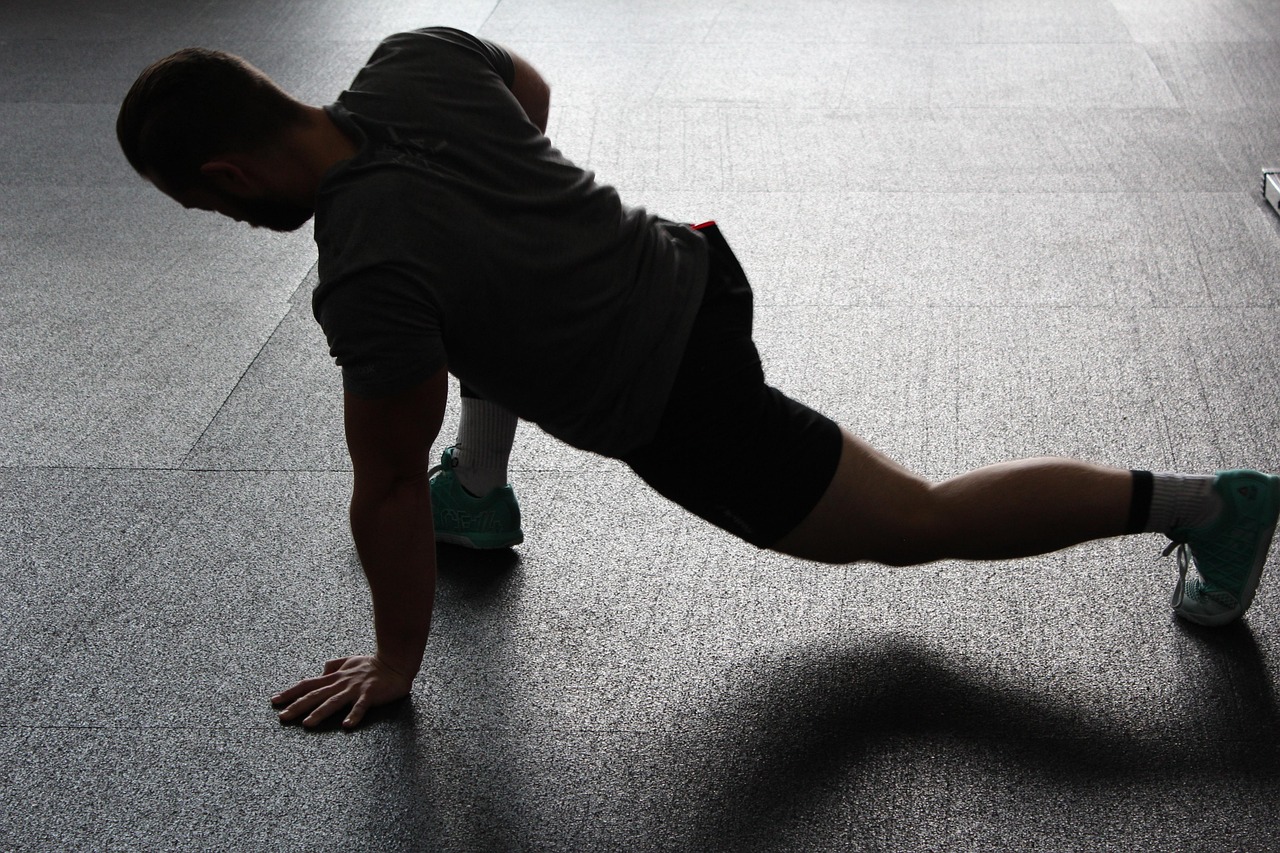
Dynamic stretching is crucial for warming up before engaging in sports activities. Unlike static stretching, which involves holding a stretch, dynamic stretching includes active movements that prepare the muscles for performance. Activities like arm circles and leg swings help improve flexibility and range of motion. Incorporating dynamic stretches into warm-ups increases blood flow to muscles, enhancing their elasticity and reducing stiffness.
Moreover, such movements can activate the central nervous system, promoting better coordination, agility, and balance. A warm-up routine consisting of dynamic stretches prepares the body for the physical demands of sport. It also mentally prepares young athletes, instilling confidence in their abilities. Coaches should guide children in learning proper techniques for dynamic stretching. This way, they reduce injury risks while also maximizing athletic performance. A well-executed warm-up routine sets the tone for a successful sporting experience. Benefits extend even beyond individual performance, as a group engaging in structured warm-ups fosters teamwork and camaraderie among young athletes. Aligning these practices with the nature of the sport being played is essential. Coaches must familiarize themselves with movements relevant to each sport, ensuring that young athletes experience sport-specific preparation. Let’s look at a few examples of dynamic stretches suitable for youth sports.
Effective Dynamic Stretching Exercises
Several dynamic stretching exercises can greatly benefit kids in sports. High knees are an excellent way to increase heart rates while engaging the hip flexors. Another beneficial exercise is the butt kickers, promoting flexibility in the quadriceps and hip flexors. Furthermore, lateral lunges help enhance leg strength, balance, and lateral speed. A fun way is to incorporate these stretches into games, making them enjoyable for children.
In addition to these exercises, incorporate arm swings and torso twists, which warm up the upper body effectively. Organizing warm-ups as relay races can also encourage participation. When devising these warm-up sessions, coaches should emphasize form and breathing. This focus not only maximizes physical benefits but also reduces the risk of injuries. Children are likely to respond well to engaging warm-up routines that blend fun with fitness. As they learn the importance of dynamic stretching, children develop lifelong habits that contribute to their overall physical well-being.
Emphasizing Cool Down and Stretching
A well-rounded warm-up routine must include a cooldown phase to prevent injuries after sports activities. Cool down stretches help gradually lower the heart rate and promote muscle recovery. This phase is crucial as it provides an opportunity for athletes to reflect on the day’s activities and unwind physically. Incorporating static stretching during cooldowns is beneficial for lengthening the muscles.
The cooldown process helps improve flexibility, aids recovery by preventing muscle soreness, and can enhance mobility over time. Coaches should teach young athletes the importance of cool downs and how they contribute to overall performance. Engaging in effective cooldown routines builds respect for their bodies and promotes self-care, which is essential for lifelong physical activities. Stretching after practice or games should become a habitual part of every young athlete’s routine. Highlighting this will teach them to listen to their bodies and recognize when they need recovery times.
Creating Engaging Warm-Up Sessions
Creating engaging warm-up sessions ensures that children are not just participating but are also enjoying their time while warming up. Incorporating games and playful activities can make this process more entertaining. For example, turning dynamic stretches into fun challenges or races encourages children to participate actively. Coaches should use music to enhance the atmosphere during warm-ups while fostering a positive environment.