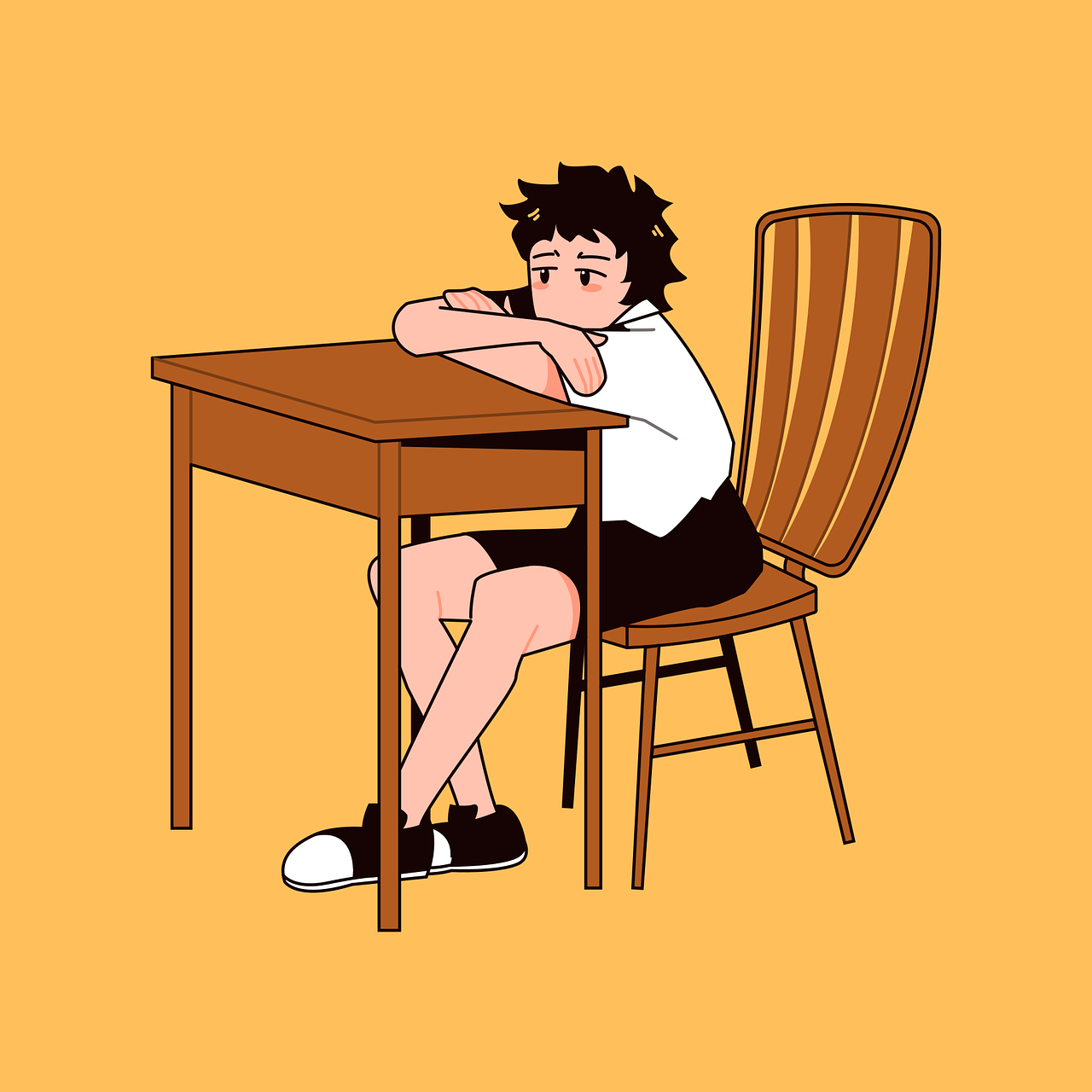

The Impact of Prolonged Sitting on Young People’s Spinal Health
In today’s digital world, children and teenagers often spend prolonged periods sitting, particularly when indulging in electronic devices. This shift toward sedentary activities can pose significant risks to their spinal health. Prolonged sitting has been correlated with various health issues, including poor posture, which may lead to chronic back and neck pain. Furthermore, many parents and guardians may not realize the detrimental effects of extended sitting that their children face. As youngsters engage in online schooling, gaming, or social media, their bodies endure improper spinal alignment. Ergonomics plays a critical role in helping young people maintain healthy posture while seated. Understanding the significance of ergonomic setups is essential for parents, educators, and children alike. Regular breaks and exercises can alleviate the physical stress caused by prolonged sitting. Therefore, it is crucial to monitor and encourage active habits. Parents should create awareness about the importance of maintaining a proper sitting posture. This includes encouraging breaks, stretches, and physical activity that can foster better spinal health and overall well-being as they grow, ensuring a healthier future for young individuals.
Understanding the Risk Factors
The risks associated with prolonged sitting in children and teenagers are multifaceted and can significantly impede growth and physical development. One of the primary concerns is the developing spine, which is particularly vulnerable during these formative years. When children consistently maintain poor posture while sitting, it can lead to misalignments that result in pain and discomfort. Furthermore, inadequate physical activity reduces muscle strength and flexibility, contributing to poor posture. The transition to remote learning and increased screen time has especially magnified these risks. The perception that physical education is less important than academic success can lead to a sedentary lifestyle. Schools should promote programs that focus on healthy habits, including exercise, proper ergonomics, and breaks from screens. This education needs to prevent the habits that could hinder their future physical abilities. Parents can also play an integral role by ensuring their children maintain an exercise regime that complements their academic endeavors. Additionally, helping young people develop proper workstation setups can enhance their engagement in learning while prioritizing their health and wellness effectively, laying the groundwork for active lifestyles.
Aside from physical discomfort, the implications of prolonged sitting extend to cognitive performance as well. Young people engaged in prolonged sedentary behavior often report decreased concentration and focus. Their bodies respond to extended periods of inactivity by becoming sluggish, contributing to a drop in energy levels. This negative cycle can interfere with their learning and emotional well-being. Comprehensive understanding of these impacts can empower caregivers and educators to advocate for healthier choices in school and at home. Implementing regular movement breaks into the daily routine can enhance attention spans and overall performance. Encouraging children to take brief pauses during studies or screen time can uplift their mental states and boost motivation. The engagement of both physical and mental faculties ensures a holistic development approach. Parents can use simple tactics like setting reminders for physical activity or integrating fun into exercise routines. Group activities can also foster social interaction, creating a sense of community. This social aspect can enhance participation in physical activities, forming lasting habits. Thus, prioritizing physical movement alongside cognitive tasks can improve their educational outcomes and quality of life.
Promoting Healthy Posture
Establishing healthy sitting habits from an early age can greatly influence children and teenagers’ posture and overall spine health. One of the best ways to prevent postural problems is to educate young individuals about the importance of sitting correctly. Parents and educators should emphasize the need for a supportive chair and desk height that promotes good posture. A chair with lumbar support and an appropriately positioned computer monitor can significantly reduce the likelihood of neck and back pain. Additionally, reminding children to keep their feet flat on the ground can also align their spines properly while seated. Integrating ergonomic principles into daily activities makes it easier for students to maintain healthy habits. It is also vital for young people to understand the importance of taking breaks. Encouraging them to stand, stretch, or walk around can have far-reaching benefits for their physical health. Furthermore, allowing adequate time for physical activities and sports should be integral to any child’s routine. Establishing a daily schedule that includes exercise helps reinforce these principles, ensuring better posture now and in the future for the young population.
Parents hold the power to greatly influence their children’s relationship with physical activity. By participating in physical activities together, they can instill positive values about exercising and its significance for health. Sharing experiences like hiking, biking or sports can foster a lifelong appreciation for fitness. Exploring local parks or recreational facilities can make these activities more appealing to youngsters. Imbuing them with a sense of enjoyment while being active plays a crucial role in their development. Parents should remain consistent with these practices while also validating their children’s feelings about exercise. Allowing children to choose their preferred activities promotes autonomy and enthusiasm toward being active. Regular family events that focus on movement not only provide quality time together but also build community. Furthermore, turning these outings into traditions or events can significantly bond families while nurturing healthy lifestyles. Children are more likely to value activities that feel fun and social. By creating age-appropriate challenges during these activities, children will learn to set and achieve personal goals, building confidence and resilience required to maintain healthy behaviors for life.
Investing in Ergonomics
Investing in ergonomic solutions can provide long-term benefits for young children’s health and well-being. Schools and organizations should emphasize creating a supportive physical environment conducive to proper posture. Schools can adopt adjustable desks and chairs designed to accommodate students at various growth stages. Incorporating ergonomic furniture ensures each child can maintain proper alignment while seated during classes, helping to mitigate discomfort over time. Awareness campaigns emphasizing the importance of ergonomic practices can ensure students are educated on how to adjust their workstations effectively. Moreover, it is essential for educational institutions to run occasional workshops on posture and ergonomics. These activities can empower students with knowledge about the significance of maintaining good posture and incorporating movement into their routines. Schools should also encourage teachers to be advocates of proper sitting habits during lessons. Parents can work with schools to understand the importance of ergonomic furniture in classrooms. When successful, such collaborations can lead to better academic performance and well-being for the child, preparing them well for future responsibilities while maintaining good spinal health. Investing in ergonomics ultimately promotes a culture of health.
In conclusion, the increasing trend of prolonged sitting poses serious risks to young people’s spinal health. The modern lifestyle often prioritizes screen time over movement and physical activity, significantly impacting their overall well-being. Emphasizing the importance of healthy habits, proper ergonomics, and active lifestyles is paramount. Parents, educators, and communities must work together to ensure children engage in physical activities and understand the implications of poor posture. Implementing comprehensive health programs and education within schools can reduce these risks effectively. Encouraging movement breaks, establishing ergonomically friendly environments, and promoting enjoyable physical activities are vital steps towards healthier future generations. Awareness is crucial—recognizing the need for balance between academic focus and physical health is essential for sustainable wellbeing. Improving spinal health can lead to enhanced learning and cognitive development in children. By fostering an active culture intertwined with educational pursuits, communities can shape resilient individuals who prioritize their health through lifelong habits. Ultimately, the straight path towards well-being lies in understanding and implementing effective strategies to counteract the consequences of prolonged sitting, ensuring children thrive physically and mentally for the challenges of life ahead.
Additionally, it’s vital just how technology influences young people’s interactions. The digital world, while providing multiple resources for learning and engagement, can inadvertently lead to a more sedentary lifestyle. Developing healthy technologies, like apps that encourage movement, can assist in addressing this issue for better spinal health. Engaging young people in creating challenges that require physical movement may promote awareness and facilitate a connection with their own bodies. Schools can collaborate with tech developers to design modes of learning that emphasize active engagement. This synergetic approach can actively promote a culture of movement despite being surrounded by technology. Parents can encourage their children to set daily movement goals, offering rewards for achieving them, fostering excitement while ensuring health is prioritized. Innovative programs promoting fitness apps can bond families while ensuring everyone’s engagement. As they participate together, children learn that physical activity is not a punishment but rather an integral part of their daily lives. Building these connections early can establish a healthy mindset towards fitness that resonates throughout adulthood, promoting overall well-being through every transition in their lives.