
Stretching Exercises to Prepare Your Body for Labor
Stretching during pregnancy is essential not only for relaxation, but also for preparing your body for labor. As your body undergoes dramatic changes, targeted stretching can increase flexibility, reduce discomfort, and help alleviate the common aches that accompany pregnancy. The key is to approach stretching gently and mindfully, always keeping your comfort in mind. Remember that your body is undertaking an incredible task, so listen closely to its responses. Regular stretching can contribute to better posture, balance, and even stress relief. Additionally, it can help prepare the pelvic area for labor by loosening tight muscles. Aim for a quiet space, and incorporate breathing techniques as you stretch, allowing yourself to connect deeply with your body. Consider involving your partner in this practice, as they can assist and help create a nurturing, supportive atmosphere. Before starting any new exercise routine, including stretching, it’s vital to consult with your healthcare provider to ensure it’s appropriate for your unique situation. Armed with the right information, you can embrace stretching as a powerful tool to navigate the physical demands of pregnancy.
Before delving into specific stretches, it’s crucial to prioritize warm-up exercises that prepare your muscles for the stretches themselves. Gentle warm-ups enhance circulation and make your stretching routine more effective. Simple movements such as shoulder rolls, neck rotations, or light walking around the room can be beneficial. These activities help to loosen tight muscles and get your heart rate up slightly. You might also consider engaging in some deep breathing exercises, inhaling slowly through the nose and exhaling through the mouth. This practice improves connection with your body and reduces any feelings of tension. Once you feel adequately warmed up, you can transition to specific stretches designed for pregnancy. Focus on areas like the lower back, hips, and thighs, which can hold tension due to weight changes and altered posture. Ensure each stretch is held for at least 15-30 seconds for maximum benefit, and remember to always prioritize comfort. Each stretch should feel wonderful, not painful, contributing to your overall wellbeing. With mindfulness and intention, stretching can genuinely enhance your pregnancy experience and prepare your body effectively for labor.
Key Stretches for Pregnant Women
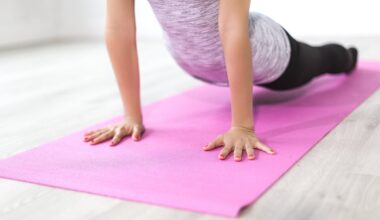
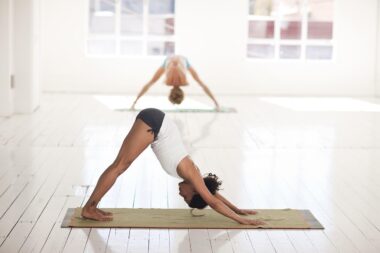
Incorporating safe stretches can make a significant difference in your comfort levels during pregnancy. A favored stretch is the cat-cow stretch, which is fantastic for spinal mobility. Start on your hands and knees, gently arching your back upwards, and then transitioning to a downward arch as you breathe in. This rhythmic movement promotes flexibility in the spine and helps ease lower back pain. Additionally, consider performing side stretches while standing or seated. Gently reach one arm over your head and lean towards the opposite side to engage the side abdominal muscles. This stretch can help alleviate rib discomfort and promote a sense of spaciousness in the torso. The seated forward bend is another worthy addition, allowing you to stretch the hamstrings and lower back without too much strain. When performing these exercises, move deliberately and gracefully, focusing on your breath. Always remember to modify your stretches according to your comfort level, ensuring you don’t push beyond what feels good. Thus, engaging in these safe and effective stretches can significantly contribute to a more enjoyable pregnancy experience.
Taking time in your stretching routine allows for connection to both your body and your baby. Stretching can also help in managing anxiety, common during pregnancy, by allowing you to focus solely on the present moment. Furthermore, incorporating partners into your stretching regimens can create a soothing experience. They may help facilitate certain poses or stretches that are more difficult to do independently. Partner-assisted stretches could include gentle back extensions or lateral stretches. These actions invite your partner into your prenatal journey, enhancing their involvement and support. Picture this shared experience being an opportunity not only for connection but also for bonds to grow deeper. Should pain or discomfort arise while stretching, pay close attention and discontinue any pose that feels wrong. Consult your healthcare practitioner whenever uncertainties arise. Taking care of yourself through stretching encourages a more positive perspective on your body’s capabilities and potential. Keep in mind that your body is working extraordinarily hard to support new life, making each moment spent on self-care immensely valuable. Essentially, embracing this journey means recognizing the importance of mental and physical wellness through present-focused stretching.
The Benefits of Stretching During Labor Preparation
The benefits of incorporating stretching into your pregnancy routine extend beyond physical comfort. Improved flexibility and mobility can enable you to navigate the various stages of labor with more ease. By emphasizing a regular stretching routine, you promote better positioning of your baby, potentially leading to smoother labor experiences. Engaging in stretches also promotes relaxation, allowing both body and mind to prepare for the upcoming journey. Research has suggested that women who engage in stretching and meditation during their pregnancies often report lower levels of stress and anxiety. Furthermore, stretching can also encourage optimal blood circulation, reducing fluid retention and swelling, common complaints among pregnant women. These physical changes contribute significantly to your overall mood as well. A sense of accomplishment gained from self-care creates a foundation for empowerment, positively impacting your labor experience. It’s all beneficial in a holistic sense, inviting more awareness into your body’s processes and encouraging flexibility, both physically and emotionally. Through practicing these stretches regularly, you position yourself for a more comfortable and rewarding labor process, deserving of exploration and attention.
It’s essential to remember that safety is always paramount during your stretching practice. All stretches should be modified to account for your growing belly and fluctuating balance. As you progress through your pregnancy, some positions initially deemed comfortable may become too intense or awkward, so make adjustments as needed. Always listen to your body and don’t hesitate to skip or modify stretches based on your current state. For some expecting women, utilizing tools like yoga blocks, straps, or blankets can enhance stability and comfort during stretches. You could also consider practicing stretches while seated or lying down, which offers added support. Collaborating with prenatal instructors or attending prenatal yoga classes can also provide additional guidance and make the learning process enjoyable. Group environments naturally promote social interaction among expecting mothers, creating supportive networks. Shared experiences enhance the journey toward motherhood while promoting safe practices. Engaging in group stretching sessions may reveal progress in flexibility and strength that is motivating and inspiring. Always be welcoming of new connections as community play a vital role in enhancing the pregnancy journey.
Conclusion: Embrace Your Stretching Journey
As you embark on your pregnancy journey, embracing stretching as a valuable tool will facilitate comfort and preparation during labor. Aim to integrate stretching into your daily routine; consistency plays a key role in outcomes. Remember that each session does not have to be lengthy; even short bursts of stretching can yield immense benefits, both physically and mentally. To maximize your stretching routine, combine it with proper hydration, healthy nutrition, and adequate rest. Adaptability and mindfulness should frame your approach, allowing you to tune into what feels best during your practice. Engage in community resources or seek advice from experienced practitioners who can enhance your understanding of pregnancy fitness. Ultimately, the aim is to create a serene, supportive environment for yourself and your newborn. Building a connection through stretching can foster a deeper relationship not only with your own body but also with your baby. Trust in the process as you prepare for labor, honoring the insights and strength inherent in motherhood. By making stretching an intentional practice, you empower yourself for labor and the beautiful journey ahead.
In conclusion, remember that stretching during pregnancy is about care, connection, and preparation. With ongoing commitment to this practice, you’ll navigate through labor with greater strength and confidence. As the body transforms, it is vital to care for your physical and mental health, harnessing pregnancy’s unique changes as part of your powerful journey. Regular stretching promotes balance and relaxation, setting an ideal stage for labor. In each mindful stretch lies the opportunity to honor the sacrifices and adjustments your body makes. As your due date approaches, clearly recognize the importance of nurturing both body and mind through gentle movements. Seek out support from healthcare providers, community classes, or virtual sessions that cater specifically to pregnant women. You deserve the chance to learn and adapt as your body changes and grows. Use your practice to connect with other mothers-to-be, forming a supportive network that can last well beyond delivery. Start slowly, remain patient, and enjoy the journey—every stretch signifies progress and preparation for the beautiful experience awaiting you when labor arrives.