
Incorporating Proper Breathing into Your Daily Wellness Routine
Proper breathing is essential for enhancing overall well-being. Many individuals overlook the importance of mindful breathing, leading to chronic tension and stress. Incorporating proper breathing into your daily routine can yield numerous benefits for both mental and physical health. Stress reduction is one of the primary advantages of focused breathing techniques. By consciously regulating your breath, you can lower levels of cortisol, the stress hormone, and promote a sense of calmness. This tranquility can significantly improve your emotional resilience against daily struggles. Additionally, enhanced oxygen flow through proper breathing techniques supports better concentration and cognitive function, which is vital in today’s fast-paced environment. As you breathe deeply, your brain receives an adequate supply of oxygen that stimulates creativity and boosts productivity. Furthermore, engaging in respiratory exercises can lead to better sleep quality. Insufficient or poor-quality rest can severely affect emotional stability and cognitive performance, running a cycle of stress and fatigue. By practicing these techniques regularly, you also enhance respiratory health and decrease the likelihood of respiratory-related issues. Start small, dedicate a few minutes each day to building a consistent breathing practice.
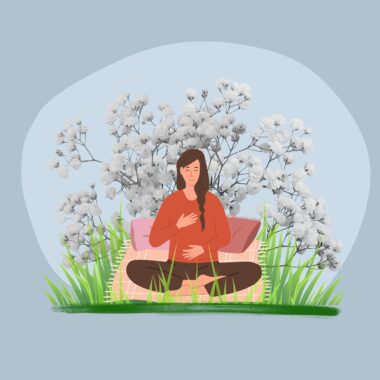
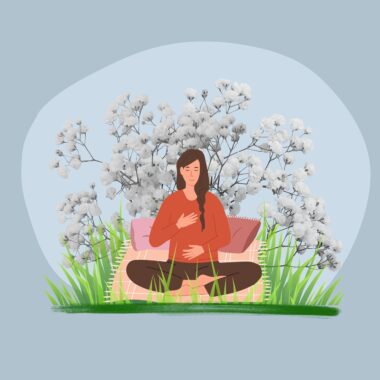
Integrating breathing exercises into daily activities can seamlessly blend into your lifestyle. You can perform these techniques while at work, exercising, or even while commuting. One effective way to incorporate them into work is during lunch breaks. Gently close your eyes, allow your shoulders to drop, and take a few deep breaths. Observe how your body feels during this process, noticing tension release as you exhale. Practicing this improves focus and productivity, allowing for a more refreshing approach to work-related stress. Physical activities also offer a perfect opportunity to integrate breathing. Whether jogging, cycling, or in yoga practice, synchronizing breath with movement creates an efficient flow of energy. This synergy can magnify performance levels and minimize exhaustion. Moreover, establishing a routine after waking up can set a positive tone for your entire day. Spend five minutes practicing deep, slow breaths to awaken your senses and prepare your mind for the day’s challenges. Remember that developing new habits takes time, so be patient and consistent with your practice. Keep track of your breathing patterns, as self-reflection can help you assess progress and the overall impact on your wellness journey.
The Mind-Body Connection Through Breathing
The act of breathing serves as a bridge connecting our mind and body. Mindfulness breathing techniques not only improve oxygen levels in the body but also enhance mental clarity and awareness. When we focus on our breathing, it helps to anchor our thoughts in the present moment. This focus on the present can alleviate anxiety and worrying thoughts about the future. Breathing deeply and intentionally allows for a greater connection to your physical sensation and mindset. Engaging in daily breathing exercises can help individuals develop a more profound understanding of emotional triggers and bodily responses. By recognizing how specific situations affect breathing patterns, you can adapt your techniques to improve emotional balance and interpersonal relationships. Practicing techniques like diaphragmatic breathing engages the diaphragm fully, allowing for greater lung capacity and promoting relaxation in body systems. When in a relaxed state, you are more capable of managing conflicts and navigating stressful conversations. Embracing this connection fosters empathy and enhances emotional intelligence, much needed in both personal and professional spheres. Keeping a reflective journal can further help track emotional growth alongside your breathing practice.
Benefit from community and support systems to amplify your breathing practice. Joining groups focused on mindfulness or yoga can offer camaraderie and encouragement among participants. Sharing experiences creates accountability, which can lead to a more significant commitment to implementing breathing exercises in daily life. These groups foster an environment where you can learn new techniques and share personal insights. Additionally, consider engaging with online platforms or social media communities dedicated to wellness and mindfulness practices. Connecting with these communities can provide motivation and access to resources like guided breathing sessions, meditation videos, and expert advice that can ensure consistent practice. Furthermore, educational workshops or online courses can deepen your understanding of the mechanics and science behind proper breathing. Gaining knowledge about the physiological effects of breathing can enhance motivation for consistent practice, creating a deeper commitment to daily wellness routines. Involving friends or family in your practice can magnify benefits, as discussing insights helps foster communal growth and motivation. The ripple effect of shared practices can lead to improved mental health and emotional resilience among loved ones, creating a supportive circle committed to wellness together.
Long-term Commitment to Breathing Techniques
Long-term engagement with breathing techniques is vital for their effectiveness. Initially, you may notice immediate benefits, such as relaxation and reduced anxiety. However, lasting changes in mental health, focus, and emotional resilience emerge from persistent practice. Aim for consistency without overwhelming yourself. Consider setting aside a specific time daily to engage in mindful breathing. Creating a short routine can patiently cultivate habits that are sustainable for the long haul. The excitement dwindles with time, and you might find your interest waning. To combat this, periodically introduce variations in your techniques, ensuring your practice remains engaging and dynamic. Explore diverse options like box breathing, paced breathing, or the 4-7-8 technique. Keep your inspiration alive by discovering new content, including books, podcasts, or videos, discussing innovative methods. Reflect on personal progress over time, taking moments to celebrate achievements and challenges faced along your journey. Insight into your growth strengthens commitment and enhances emotional intelligence. Remember that proper breathing is a tool that can empower you to face life’s challenges with grace and resilience. Revisit your intentions regularly, allowing breathing practices to shift along with your evolving needs and goals.
Finally, it’s essential to recognize the holistic nature of personal wellness. Proper breathing is often regarded as a mere physical activity, but it intertwines with emotional, mental, and spiritual health. Many cultures and wellness traditions heavily emphasize the significance of breath in achieving balance and harmony. For instance, practices like yoga and Tai Chi exemplify this philosophy through the integration of breath with intentional movement. You can tap into ancient wisdom while merging it with modern techniques to create a personalized routine. Experiment with combining breathwork with meditation or mindfulness practices that resonate with you. This synergy can provide a holistic experience that nourishes multiple aspects of well-being. Additionally, consider exploring how breath influences energy and emotional states. Recognizing this interplay allows for further exploration into your internal landscape, promoting personal development. Create a dedicated space for practicing these techniques at home, free from distractions, where you feel at ease. A sacred space can enhance focus and allow immersion into the practices you adopt. Moreover, share your journey with others, inspiring those around you to appreciate the importance of breath in nurturing wellness throughout your lives.
Conclusion on the Benefits of Proper Breathing
In conclusion, embracing the benefits of proper breathing practices empowers individuals to navigate their lives with clarity and calmness. Integrating mindful breathing into daily routines enhances mental and emotional well-being while strengthening the mind-body connection. By developing a consistent practice, you can experience long-term positive effects on overall health, reducing anxiety, improving sleep quality, and fostering resilience. Collaborating with supportive communities and exploring a variety of techniques can enrich your journey towards wellness. Remember that breath is a powerful tool that connects you to the present moment. Embracing its significance opens the door for personal growth and understanding. Nurturing this aspect of well-being can lead to greater compassion and emotional intelligence. As you progress, be patient with yourself and embrace the learning curve along the way. Everyone’s journey is unique, paving their path within the wellness landscape. Prioritize your well-being by honoring the breath that sustains you. Ultimately, by committing to proper breathing practices, you can explore a more empowered and balanced life. This journey begins with a single breath, so let each inhale and exhale guide you towards a healthier lifestyle.