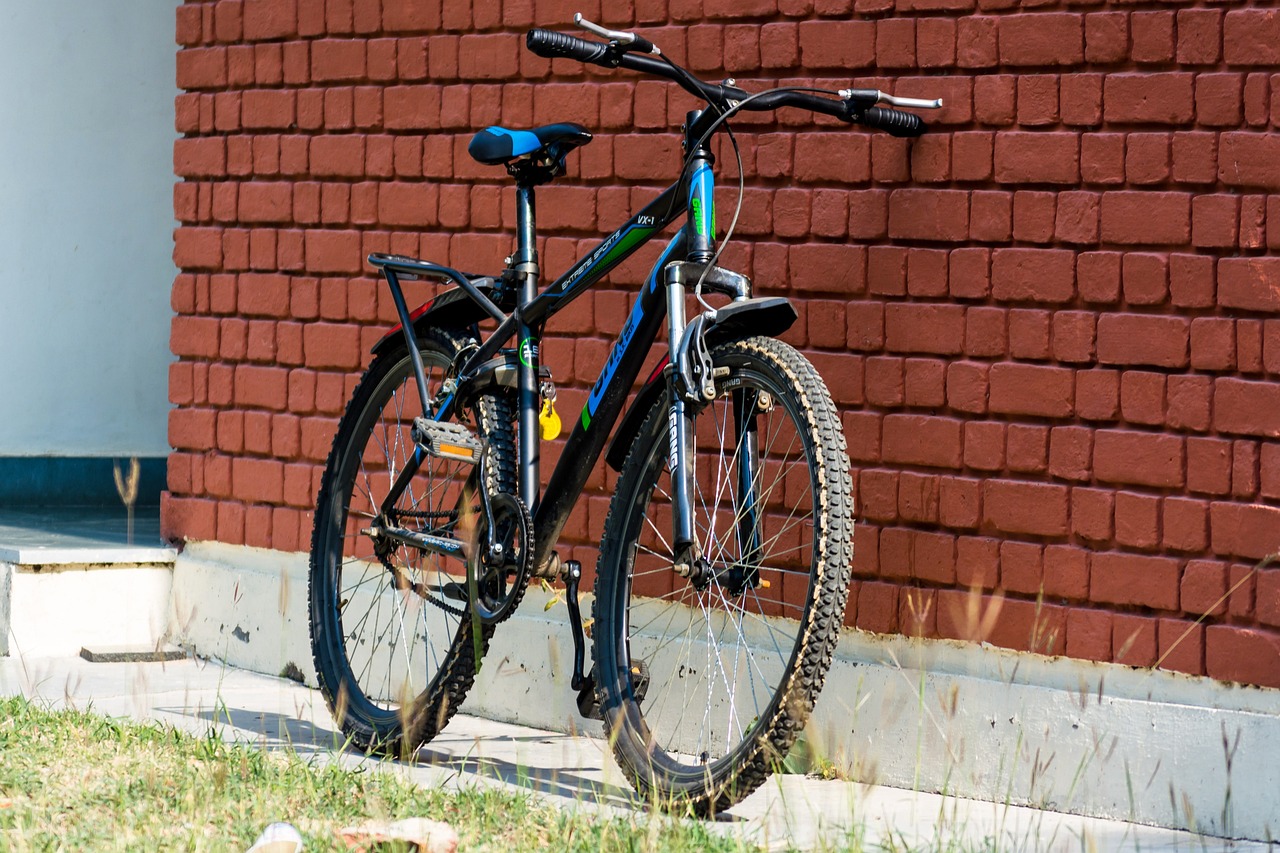

How to Transport Your Mountain Bike Safely
Transporting your mountain bike can seem daunting, but with the right precautions, it becomes an easy task. First, you need to consider your mode of transportation. If you plan to drive, make sure you have a suitable bike rack or inside space in your vehicle. Always clean your bike before transporting it; removing dirt and debris prevents scratches on your vehicle and bike. It’s also advisable to remove the front wheel to fit the bike more snugly, especially if you’re using a car trunk. Wrap the bike in blankets to provide additional protection during travel. You may also want to secure it with straps to avoid any movement. Don’t forget to check the air pressure of your tires too! Maintaining appropriate tire pressure ensures they remain in good shape during transport. Additionally, keep a list of items you will need like tire levers and mini-tools, in case you need to make adjustments. Always verify the location before arriving to ensure you’re not carrying your bike unnecessarily far from the trailhead. Each precaution you take contributes to a safer transport experience for you and your mountain bike.
When considering transportation, utilizing a bike carrier is a popular choice for many mountain biking enthusiasts. There are several types of bike carriers available to fit diverse needs, such as hitch-mounted or trunk-mounted racks. A hitch-mounted rack is often more stable and can carry multiple bikes securely, which is an added bonus if you plan to bike with friends. However, trunk-mounted racks are generally more affordable and easier to store when not in use. When using a bike rack, ensure your bike’s frame is well-secured, and check the straps for tightness. The weight of your bike is a factor, especially with heavier mountain bikes. Overloading a rack can lead to accidents during transport, compromising safety. If you’re using public transportation, familiarize yourself with the specific regulations regarding bike transport of the train or bus service beforehand. Some systems may have restrictions to be mindful of. By thoroughly assessing different transport methods and their respective advantages, you can make informed decisions that enhance the safety and security of your mountain bike.
Before embarking on a journey, ensure that you have the right accessories for safe transport. One crucial accessory is a good-quality bike lock. When you’re stopping for food or taking breaks, a lock allows you to secure your bike conveniently, preventing theft. Additionally, investing in proper bike cases or bags can provide that extra layer of protection. There are soft cases available, designed to be lightweight, while hard cases offer robust protection against impacts. Specialty bike bags typically come with compartments for your tools and gear, keeping everything organized during travel. When you arrive at your destination, take a moment to inspect your bike, checking for any damages sustained during transit. Adjust settings like brakes and gears if necessary before hitting the trails. Also, be sure to familiarize yourself with the local biking rules and regulations; areas might have unique requirements or considerations every biker should know. Knowing these particulars can enhance your experience as you explore new terrains without worry. Remember, preparation is key to ensuring your mountain biking experience is delightful and uninterrupted.
Storing Your Mountain Bike
When you transport your mountain bike safely, consider how you’ll store it upon arrival at your destination. Proper storage is essential for maintaining its condition and longevity. If you’re staying overnight or longer, find a secure spot indoors where your bike can be protected from the elements. Avoid leaving your bike in direct sunlight for extended periods, as this can damage the frame finish and degrade the components over time. It is best to utilize a designated bike storage area or hook if available; this keeps it out of the way while still accessible. If you plan to camp, make sure your setup includes a waterproof cover for additional protection against rain. Lastly, checking tire pressure and brake condition upon storage ensures your bike remains in optimal riding condition. Having a designated maintenance schedule is also helpful. Regularly checking the chain, gears, and brakes prevents future problems and prolongs the life of your bike. By taking these steps for both transport and storage, you ensure that your mountain bike remains ready for your next adventure.
Carrying necessary gear during transport can significantly enhance your experience. When heading out, create a checklist of essential items to bring along for your mountain biking trip. This can include a first aid kit, tire repair kit, extra tubes, and a multi-tool for adjustments. A hydration pack is also beneficial, allowing you to stay hydrated without adding too much weight. Depending on the weather, don’t forget to pack appropriate clothing like padded shorts, moisture-wicking shirts, and layers that can adapt to changing conditions. Also, consider bringing energy snacks like protein bars to maintain your energy levels on the trail. If you’ll be riding in a group, ensure everyone is equipped with similar essentials, fostering a sense of camaraderie and preparedness. Taking the time to prepare can prevent mishaps and ensure that everyone enjoys the ride. Once you have everything packed, review it before setting off. This habit helps avoid forgetting any vital equipment that may be essential during the ride. Transporting your mountain bike becomes infinitely better with the right gear to facilitate safe adventures, leading to memorable experiences on the trails.
Using Public Transport
When considering public transport for mountain biking adventures, knowing the policies of specific regions is critical. Many train and bus services allow bicycles but often have restrictions on peak hours or the number of bikes allowed. It’s crucial to plan ahead and check with local transit authorities regarding their policies and any associated fees. Most public transport systems have specific carriages or racks designated for bicycles that enhance safety during travel. Secure your bike properly to these racks to prevent any movement that could cause damage. If you’re traveling during busy hours, consider traveling outside of these times for a more comfortable experience. Prepare to disassemble your bike if required or keep essential tools handy in case adjustments on the fly are necessary for fitment. This knowledge can be crucial when navigating unfamiliar transit systems, making your journey smoother. Remember to respect other passengers, ensuring that your bike isn’t obstructing aisles or walking spaces. By following these tips, using public transport can be a viable and convenient option, making biking adventures accessible across various regions.
Finally, reflecting on your transportation experiences can enhance future journeys. Each trip provides opportunities for learning, especially about what worked and what didn’t during the transport process. Consider keeping notes on your experiences regarding bike racks, carriers, and any specific transport regulations you encountered at different locations. This information becomes valuable for preparing future adventures, allowing you to refine your methods continually. Additionally, engaging with fellow bikers in forums or social media groups can offer insights and tips based on shared experiences. Incorporating feedback can lead to improved strategies for safely transporting your mountain bike. Embrace new technologies like bike GPS or tracking systems that can offer added security while your bike is in transit. Never underestimate the importance of maintenance practices between trips, ensuring that your bike is always ready when the trails call. With each journey, you develop a deeper connection to cycling and biking culture, enriching your biking adventures further. Ultimately, by ensuring safe transport methods for your mountain bike, you invest in a fulfilling outdoor experience every time you hit the trails.
In conclusion, taking the time to address how to transport your mountain bike safely can have lasting effects on your riding experiences. Proper preparation combined with the necessary tools can make all the difference in ensuring a successful trip. Remember always to secure your bike firmly, maintain necessary gear, and understand the regulations of any surface transportation used. Over time, these practices will not only enhance the efficiency of your travels but also instill confidence in your biking adventures. Ultimately, enjoy the journey and make lasting memories on the trails! As you gain more experience with transporting your bike, sharing your insights with others in the biking community can be invaluable. Encourage discussions about tips you’ve learned that could help fellow riders. Every mountain bike enthusiast has faced challenges regarding their transportation methods. By collaborating and sharing experiences, we can create a more connected community that thrives on adventure. Happy biking, and when you hit the trails, remember: preparation is your best companion for memorable rides, whether near or far, ensuring the only thing you focus on is the joy of cycling.