
How Pre-Workout Fats Influence Post-Workout Recovery and Inflammation
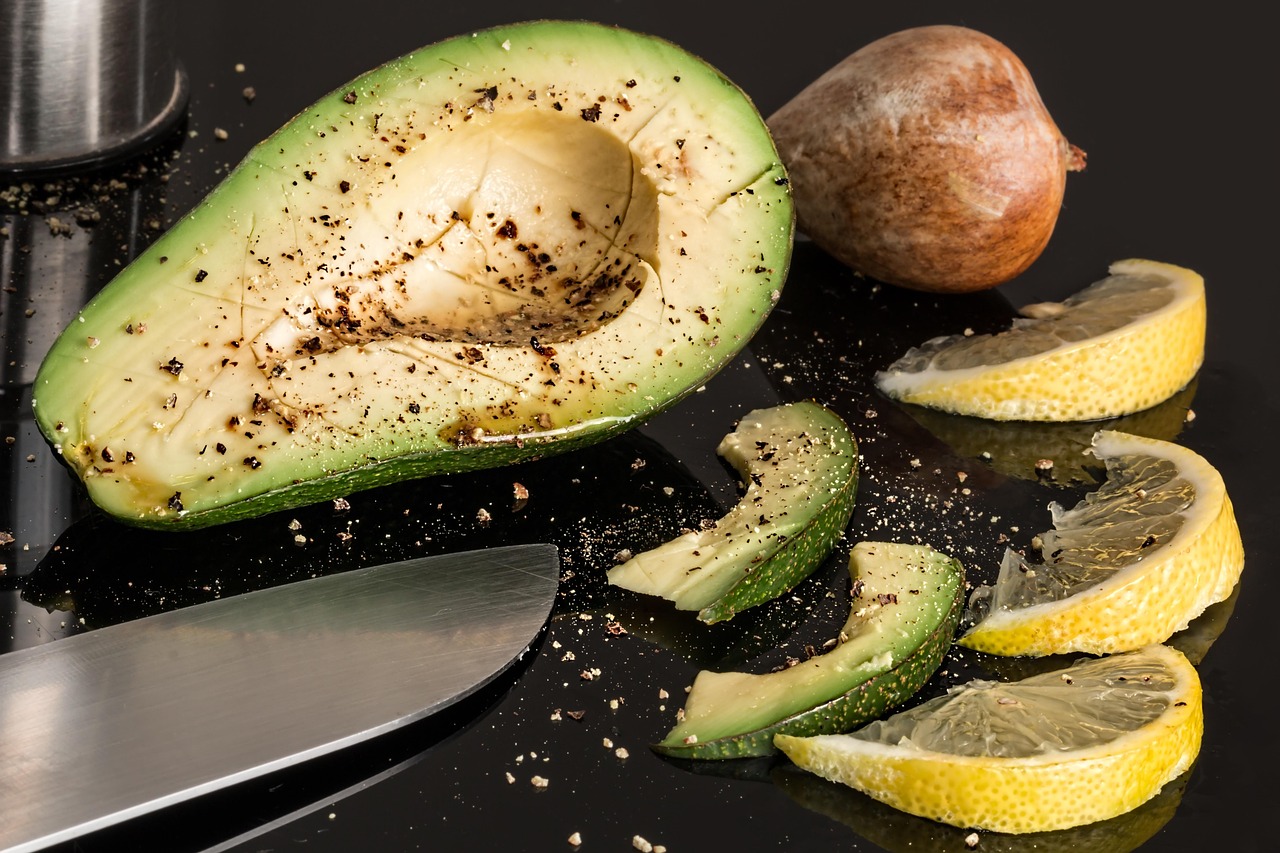
Pre-workout nutrition plays a vital role in determining overall workout performance, energy levels, and recovery outcomes. Among various nutrients, fats are often viewed with skepticism. Nevertheless, incorporating healthy fats into your pre-workout meal can be beneficial for prolonged energy and preventing inflammation. Avocado, nuts, and seeds are excellent sources of healthy fats that can optimize workouts. They help maintain energy levels during exercise, promote satiety, and support nutrient absorption. It’s crucial to consume the right kind of fats, particularly unsaturated fats, which can provide a more sustained energy release. Using a balance of fats and carbohydrates can also affect the insulin response, potentially leading to improved performance. For instance, omega-3 fatty acids, found in fish and flaxseeds, have been linked to reduced inflammation and quicker recovery times. Knowing how to integrate fats into your meals can significantly influence your post-workout recovery, helping you feel ready for your next session. Experimenting with fat sources and timing can guide individuals to discover what works best for their unique nutritional needs at varying workout intensities.
The Role of Fats in Energy Production
Fats are often misunderstood due to their high caloric density, yet they play a critical role in energy production during exercise. This process begins with the digestion of fats, which are broken down into fatty acids. The body then uses these fatty acids as fuel sources, particularly during low to moderate intensity workouts. This gradual energy release is essential for maintaining endurance, especially in long-duration activities. Integrating healthy fats into a pre-workout meal not only enhances endurance but also aids in preventing muscle breakdown. Additionally, fats can help in the absorption of fat-soluble vitamins, which are crucial for overall health. The timing of fat consumption can affect its assimilation; thus, consuming fats approximately one to two hours before exercising may yield the best results. Food choices such as nut butter on whole grain toast or a smoothie with almond milk can create ideal pre-workout nutrition. Understanding the digestive timeline for fats and planning meals accordingly can significantly influence workout performance and recovery effectiveness, allowing for better management of physical output.
Combining appropriate macronutrients is essential for optimal pre-workout nutrition, particularly when integrating fats and carbohydrates. For athletes seeking enhanced performance, it’s pivotal to strike the right balance between these macronutrients. While carbs provide quick energy, fats supply a more sustained energy source. Ideal pre-workout snacks might include a banana with almond butter, offering both immediate and prolonged energy release. Such combinations enable the body to utilize both sources during the workout, fostering endurance while preventing fatigue. Moreover, some research suggests that including fats in pre-workout meals can influence muscle glycogen levels, potentially impacting performance. Therefore, understanding how to mix these elements smartly can result in better workout outcomes. Adjusting fat intake based on activity duration and intensity is another important consideration. For shorter, high-intensity workouts, a lower fat intake may suffice. However, for longer sessions or endurance events, a higher fat proportion might enhance performance significantly. Thus, assessing individual workout types and nutritional needs is essential for maximizing the benefits of pre-workout nutrition.
How Fats Impact Inflammation
Incorporating fats into pre-workout nutrition can have a substantial impact on post-workout recovery, particularly concerning inflammation. While not all fats are created equal, essential fatty acids—like omega-3s—have demonstrated anti-inflammatory properties. Foods such as salmon, walnuts, and chia seeds can diminish post-exercise inflammation, thereby enhancing recovery. Limiting inflammatory responses is crucial because they can lead to muscle soreness and extended recovery periods. Conversely, unhealthy saturated and trans fats may exacerbate inflammation, hindering recovery and performance. Educating oneself on these distinctions allows athletes to make informed choices regarding their pre-workout meals. Adopting an anti-inflammatory diet with a focus on healthy fats not only assists in recovery but also promotes overall health. Ensuring that enough omega-3s are consumed, whether through diet or supplements, can yield noticeable benefits in reducing inflammation and improving muscle recovery rates. Ultimately, prioritizing the right fats before workouts creates a pathway toward efficient post-exercise recovery and long-term health benefits.
Hydration also plays a crucial role in maximizing the benefits of pre-workout fats on recovery and inflammation. Proper hydration supports nutrient transport and digestion, which is essential when consuming higher-fat meals pre-workout. Combining increased fat intake with adequate fluid consumption can allow the body to utilize these fats effectively during physical exertion. Moreover, hydration itself can have anti-inflammatory effects, with studies indicating that even modest dehydration can exacerbate inflammation after exercise. Therefore, ensuring that you are well-hydrated before workouts is essential, especially if your pre-workout regimen includes a higher fat content. It’s advisable to drink water consistently throughout the day and consider electrolyte-rich fluids while engaging in intense exercise sessions. Pairing hydration strategies with healthy pre-workout fats fosters a synergistic effect that not only diminishes post-workout inflammation but also accelerates recovery. Athletes should consider incorporating electrolyte-replenishing drinks or natural sources of hydration to enhance their performance further. In doing so, they are laying a robust foundation for balancing fat intake and hydration for optimal workouts.
Personalization and Adaptation
Every individual’s response to pre-workout nutrition and fat intake can vary based on numerous factors, including metabolic rates and workout intensity. Therefore, personalization of nutrition plans becomes essential for maximizing performance outcomes. Classifying specific macronutrient ratios and types of fats that work best for each athlete is crucial. For some, incorporating avocados, nut butters, or olive oil is beneficial pre-workout. Others may respond better to varied fat sources or lower fat options during different types of training. Monitoring body responses and energy levels after workouts can provide further insights into suitable fat combinations. Furthermore, adapting preparation methods, such as choosing healthier cooking processes like grilling or steaming, can optimize both nutrient retention and health benefits. Over time, experimenting with different sources and amounts of fats can offer critical insights into improving overall health and promoting efficient recovery. It’s also essential to keep a food log to understand what fats work best with various workouts. This tailored approach ensures increased efficiency and effectiveness in post-workout recovery and inflammatory responses.
In conclusion, integrating healthy fats into pre-workout nutrition strategies can have transformative effects on post-workout recovery and inflammation. By embracing appropriate fat choices and timing, athletes can boost their energy levels, endurance, and overall performance. Understanding the relationship between nutrients, energy needs, and hydration is essential for optimizing workout outcomes. As previously discussed, the type of fats consumed significantly influences inflammation and recovery rates, with omega-3-rich foods being particularly beneficial. Individual experiences with varying fat sources emphasize the importance of tailoring nutrition based on personal needs and preferences. Moreover, tracking hydration levels alongside fat intake enhances the potential for improved recovery mechanisms. Finally, continued education on the impact of dietary fats in relation to exercise is crucial in fostering a deeper understanding of body needs. For best results, work with a sports nutritionist to create tailored nutrition strategies that incorporate healthy fats effectively. Such individualized nutrition plans will not only promote workout efficiency, but also support long-term health and wellness goals.
Making informed decisions around pre-workout nutrition and fats can lead to improved athletic performance and overall health. Therefore, it’s vital to integrate the findings of research into everyday nutrition practices. Always remember to listen to your body, adjusting your pre-workout meals and fat intake to align with individual energy requirements and workout demands. By paying attention to the relationship between fats and performance, athletes can harness their full potential for recovery and peak physical achievement. In summary, the thoughtful incorporation of healthy fats into pre-workout meals can pave the way for enhanced recovery, reduced inflammation, and ultimately better performance results.