
Exercises to Boost Milk Supply During Breastfeeding
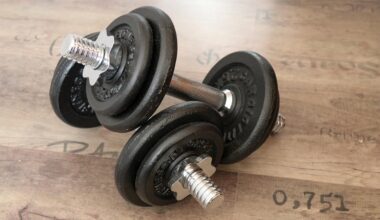
Engaging in regular exercises helps new mothers balance fitness while enhancing milk production. Always consult your doctor before starting any routine. Maintaining hydration is crucial; drink plenty of fluids to support lactation. Additionally, focus on gentle exercises that improve circulation. Walking is one of the easiest and most effective ways to get started. A daily 30-minute walk can enhance your mood and build stamina, which may indirectly support milk supply. Furthermore, yoga poses, specifically designed for breastfeeding mothers, promote relaxation. These exercises may relieve tension and conserve energy for milk production. Consider joining postnatal fitness classes that provide guidance and a supportive community. Moreover, incorporating strength training using light weights can be beneficial as robust muscles support overall health. Include exercises like wall push-ups and seated rows to enhance arm strength, crucial for breastfeeding. Be patient and listen to your body; every woman’s journey is unique. If you experience any discomfort or have specific concerns, don’t hesitate to seek professional assistance. Finding a balance between fitness, well-being, and lactation will significantly improve your overall breastfeeding experience.
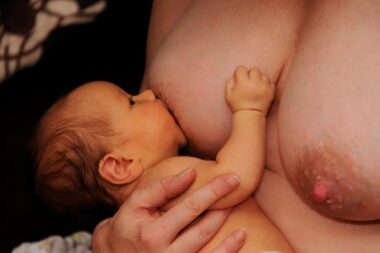
Another beneficial approach involves practicing breast compression during nursing sessions. This method stimulates milk flow and encourages your baby to feed more efficiently. Moreover, proper positioning is vital; ensure that you are comfortable to promote longer feeding times. During breastfeeding, consider integrating mindfulness into your routine. Embrace deep breathing to enhance relaxation and ensure both you and your baby are stress-free. Incorporating tailored exercises that target the core can also contribute to your overall wellness. Try pelvic floor exercises or gentle stretches to strengthen muscles that are often weakened during pregnancy. Additionally, don’t underestimate the power of nutrition. Incorporate foods known to increase milk supply, such as oats, almonds, and fortified cereals. Foods like leafy greens may provide necessary nutrients while adding to your milk volume. Use this time to explore new healthy recipes that are quick to prepare. Moreover, nurture a daily relaxation routine; consider light stretching before bed to relieve stress. Keeping a positive mindset enhances your body’s responsiveness to both exercise and lactation, ultimately benefiting you and your baby. Consider creating a supportive environment that encourages healthy habits, making your journey smoother.
Physical Activities That Support Milk Production
Incorporating specific activities that stimulate milk production is essential. Low-impact aerobics can enhance your stamina while being gentle on the body. These workouts not only support fitness but also improve mood, which is beneficial for new mothers. Look for online tutorials or local classes that focus on postpartum workouts. Additionally, exercises that target the back and shoulders, such as rowing movements, can alleviate tension from frequently holding your baby. Adjust your routine to focus on postpartum specific workouts designed for new mothers. Swimming is another excellent choice, providing buoyancy and full-body exercise. Furthermore, include stretching routines to maintain flexibility during this transitional phase. Breasts and body respond significantly to touch; massage while nursing can promote calming effects and boost supply. Implementing skin-to-skin contact more can also stimulate milk production. Remain patient as results may vary; every mother’s body responds uniquely to physical activity. Ensure activities are enjoyable rather than burdensome to maintain motivation. Lastly, invite friends or family members to join your exercise sessions, enhancing motivation and creating a supportive atmosphere.
The timing of exercise is also crucial for nursing mothers. Engaging in physical activities during your baby’s nap or after a feed can help avoid discomfort. It is advisable to schedule workouts based on your baby’s routine, ensuring you’re not physically drained during feeding times. Additionally, consider wearing a supportive bra during workouts to protect against any discomfort. This will enable you to engage in activities freely and confidently. Furthermore, embrace proper post-workout nutrition; refueling after exercise can maintain your energy levels. Snack on lactation-friendly foods, such as smoothie bowls with spinach and bananas; these boost your nutrient intake. Daily journaling can also be beneficial; document your workouts, meals, and overall feelings. This practice enhances mindfulness and allows for adjustments in your routine when necessary. Ultimately, establishing a consistent routine enhances not just milk supply but also overall well-being. Create achievable goals that contribute to both fitness and lactation. Celebrate small victories along the journey as they build confidence. Keeping a flexible approach while being proactive about your health will elevate your breastfeeding experience significantly and positively.
Importance of Rest and Recovery
Rest and recovery play a pivotal role in boosting milk supply during breastfeeding. Quality sleep may seem challenging with a newborn, but incorporating short naps can immensely benefit your well-being. Ensure you carve out time for relaxation whenever possible, as stress can hinder milk production. Consider establishing a calming bedtime routine that prepares your body for restful sleep. Furthermore, practicing relaxation techniques, such as gentle yoga or meditation, can help reduce stress levels. Focus on breathing exercises that promote relaxation and mental clarity; these techniques provide remarkable benefits. Nurturing a supportive environment also contributes to recovery; ask for help from family or friends. Balancing exercise with adequate rest will help your body recover and maintain strength simultaneously. In addition to sleep, hydration remains critical; aim for at least two liters of water daily. Hydrating meals incorporating fruits and vegetables can further enrich your diet. Listen to your body attentively; if you feel fatigued, allow yourself the necessary time to rest. Reward yourself for self-care efforts; caring for your mental state will reflect positively on milk production. A holistic approach encompasses both physical and emotional well-being for optimal breastfeeding outcomes.
Moreover, connect with other new mothers to exchange tips and support. Participate in local mothers’ groups or online communities dedicated to breastfeeding and fitness. Sharing experiences can build a stronger bond while reinforcing motivation among peers. Also, consider seeking professional guidance by hiring a personal trainer who specializes in postpartum fitness. Their expertise can provide a tailored routine that caters to your specific needs, focusing on enhancing milk supply and overall health. Engaging in group activities, such as mommy-and-me classes, allows for bonding with your baby while getting exercise. Additionally, connecting with lactation consultants can further support breastfeeding; they provide essential tips for maintaining milk supply during fitness routines. Regular check-ins with healthcare providers ensure your physical activity aligns with your health goals. Lastly, prioritize mental health in your routine; engaging in hobbies outside of motherhood can refresh your mindset. Whether it’s reading, painting, or taking solo walks, allocate time for activities you cherish. Building a well-rounded approach will empower you throughout your breastfeeding journey while ensuring you’re equipped to meet your fitness goals, as well.
Conclusion
Finding a balance between fitness and breastfeeding can be challenging but rewarding. By combining gentle exercises, proper nutrition, and mindfulness, you can enhance milk supply effectively. Aim for gradual improvements rather than quick results, as your body adapts to both motherhood and fitness. Embrace the journey; remember every effort counts toward your goals. Celebrate the small milestones; each positive change contributes to overall well-being. Additionally, keep in mind that support from family and friends is vital during this transition. You are not alone; many mothers share your experiences and challenges. Create an encouraging network to motivate each other on your fitness journeys. Stay open to adjustments in your routines as your body evolves; it’s important to remain flexible to find what works best. Prioritize self-care as much as caring for your baby; your health significantly affects your ability to nurture. Continue educating yourself about fitness and breastfeeding; knowledge empowers you to make informed decisions. Lastly, enjoy the precious moments with your baby while fostering a community around fitness and breastfeeding to support lifelong wellness.
Your path to fitness and health is unique, and embracing it is a journey worth taking. Whether that includes exploring new exercises, engaging with a community, or following practical advice to enhance lactation, stay committed to your well-being. The improvements may be gradual, but they will yield significant benefits for you and your child in the long run. Ultimately, prioritize your wellness as you embrace motherhood with vigor and positivity.