
Effective Breathing Techniques to Support CrossFit Skill Development
For athletes looking to improve their performance in CrossFit, mastering breathing techniques is essential. Effective breathing can enhance endurance, stabilize core strength, and regulate heart rate. One fundamental technique is diaphragmatic breathing, which engages the diaphragm instead of shallow chest breathing. This method maximizes oxygen intake, allowing for better stamina during high-intensity workouts. As athletes perform movements, coordinating their breath with each rep can significantly aid in maintaining focus and energy levels. Inhalation should be deep and controlled, aligning with preparation for the lift or workout. Exhaling vigorously at key points helps offload tension and supports the body during exertion. Regular practice of these techniques enhances muscle recovery, ensuring a quicker return for subsequent training. It’s recommended to practice these breathing techniques both during workouts and in everyday life, which can improve overall lung capacity and respiratory endurance. Athletes can also utilize visualization techniques alongside breathing exercises for comprehensive results. Imagining the breath filling the body with energy can boost motivation and focus while enhancing the performance of specific CrossFit skills.
The Importance of Breath Control
Understanding the importance of breath control in CrossFit training is crucial for optimal performance. Breath control allows athletes to manage their exertion levels effectively and maintain proper form. A primary factor to consider is how breathing techniques can influence the central nervous system. Focusing on the breath can reduce stress and anxiety during competitive events or workouts. It’s also essential for ensuring sufficient oxygen delivery to working muscles, which is vital for athletic performance. By practicing controlled breathing, athletes can learn how to manage fatigue and sustain energy throughout various CrossFit movements. Incorporating breath-focused strategies into workout routines can significantly enhance a person’s ability to tolerate high-intensity exercises. Techniques such as box breathing or rhythmic breathing can be particularly beneficial. These approaches create a sense of rhythm during workouts that make challenging exercises feel more manageable. Furthermore, as athletes progress, they can experiment with different techniques to find what works best for them. Each athlete’s physiology is unique, making it essential to personalize breathing strategies to align with individual needs and workout styles.
Implementing specific breathing techniques during various CrossFit workouts can lead to noticeable improvements. For instance, during weightlifting, it’s vital to master the timing of inhaling and exhaling. Typically, athletes should inhale before lifting, filling their lungs completely to stabilize their core. Once the lift begins, they must exhale forcefully to maintain control and support their structure. This process allows for maximum power output while minimizing injury risk. Similarly, during aerobic exercises such as rowing or running, rhythmic breathing can help maintain pace and improve efficiency. Athletes should focus on the cadence of their breaths, integrating inhalation and exhalation with their strides or strokes. By keeping the breath smooth and steady, they can stay relaxed and consistent throughout the workout. CrossFit athletes often face a variety of challenges, and employing specific breathing techniques can act as a transformative tool. In addition, proper hydration and nutrition contribute to overall respiratory health, ensuring that athletes can support their training effectively. Engaging the respiratory muscles through exercises such as yoga can also enhance overall breath control.
Using Breathing Techniques for Skill Development
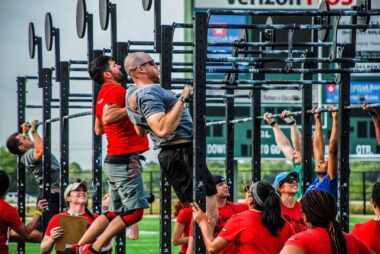
Breath techniques play an important role in developing CrossFit skills. By incorporating focused breathing into skill work, athletes can enhance their focus and execution during complex movements. It’s crucial to know how to breathe properly when performing functional movements like squats, pull-ups, or Olympic lifts. As athletes progress and tackle more challenging skills, such as muscle-ups or handstand push-ups, integrating breath control becomes even more significant. As athletes train, they should focus on their breathing patterns, noting how they react to different movements or lifts. By developing this awareness, practitioners can make real-time adjustments, helping to increase their overall efficiency. For example, during kipping pull-ups, it is beneficial to exhale sharply at the moment of propulsion. This technique not only fuels momentum but also reinforces core stability. Furthermore, athletes can practice breath control during skill drills, concentrating on inhaling through the nose and exhaling through the mouth. This attention to breath fosters a deep connection between movement competency and overall performance and enhances the psychological aspects of training.
Beyond developing skills, mastering breathing techniques also plays a critical role in recovery. While resting or during recovery periods, athletes should focus on slow, deep breaths to promote relaxation and facilitate healing. This practice enriches oxygen levels in the blood, expediting muscle recovery after strenuous workouts. Incorporating breathing protocols post-workout can help facilitate recovery processes, allowing athletes to bounce back stronger. For instance, practicing a few minutes of controlled breathing with an intent focus post-exercise can counteract the physical stress endured during intense training sessions. Elements of yoga and meditation, such as restorative breathing, help improve overall recovery. These techniques can be integrated into cool-down sessions, allowing athletes to calm their nervous systems and clear their minds. Additionally, using a foam roller while engaged in breath work can enhance muscle release and promote relaxation. Recognizing the difference between active and passive recovery during training sessions can optimize performance. Therefore, the proper application of breath techniques plays an instrumental role in the advancement of training methods and attaining fitness goals.
Conclusion and Next Steps
In conclusion, effective breathing techniques are vital for any CrossFit athlete aiming to enhance skill development and overall performance. By focusing on breathing patterns, athletes can improve their ability to execute movements with precision. Techniques such as diaphragmatic breathing and rhythmic breathing offer immediate benefits, resulting in improved endurance and focus during workouts. As athletes implement these practices consistently, they will likely notice significant progress in their performance levels. To further develop breathing skills, consider incorporating specific drills into the workout regimen along with proper strength training. Additionally, participating in workshops or classes that emphasize breath work can provide valuable insights. Seeking guidance from coaches or experienced athletes can offer practical tips for integrating breathing techniques into everyday training. Finally, be patient and persistent; mastery of breath control takes time and practice. Taking proactive steps and working diligently towards understanding these essential techniques will lead to greater success in CrossFit skill development. Commit to integrating breath work into your routine, and watch your CrossFit capabilities soar to new heights.
Ultimately, the journey of improving CrossFit skills through effective breathing techniques is rewarding. Athletes should keep in mind that every small adjustment made in breathing could spell the difference between success and failure. Furthermore, understanding the science behind breathing and its impact on performance can encourage athletes to prioritize breath control in their training regimen. CrossFit demands not only physical strength but also a mental focus that can be greatly enhanced by proper breathing practices. Emphasizing breathing while engaging in various workouts will help mitigate fatigue and build resilience over time. Establishing a routine that includes breath-focused exercises can create a solid foundation for growth in CrossFit. The development of breath techniques is not merely about performance; it’s about creating a holistic approach to fitness that prioritizes physical and psychological health. As athletes continue their CrossFit journeys, embracing the interconnectedness of breath, mind, and body will lead to lasting improvements across the board.