
Bodyweight Exercises for Pregnant Women: Safe and Effective Moves
Pregnancy is a transformative journey and maintaining fitness during this period is crucial. Bodyweight exercises can offer a safe and effective way for pregnant women to stay fit. These exercises help improve strength, enhance endurance, and maintain mobility without putting excessive strain on the body. Most importantly, they allow for modifications based on how a woman feels daily, which is essential during pregnancy. Before starting any workout routine, pregnant women should consult with their healthcare providers to ensure safety and suitability for individual conditions. In addition, focusing on proper form and breathing techniques during these exercises can provide additional benefits. Bodyweight exercises are particularly advantageous because they require no equipment and can be performed at home or anywhere comfortable. Some exercises can even be adapted as pregnancy progresses, making this a great option for fitness enthusiasts. Next, let’s explore the various safe bodyweight exercises recommended for pregnant women.
Benefits of Bodyweight Exercises During Pregnancy
Bodyweight exercises during pregnancy offer numerous benefits. First and foremost, they help maintain strength and flexibility, which can alleviate discomfort associated with changes in the body. Regular exercise promotes easier physical adaptations to those changes. Moreover, engaging in physical activity can enhance mood and reduce stress, which is beneficial for both the mother and the baby. Many pregnant women experience fluctuations in energy levels. Exercises can be tailored to suit energy levels, meaning they can be done at a moderate pace on tough days or increased in intensity as energy allows. Additionally, fitness can assist in managing weight gain throughout pregnancy, contributing to better health outcomes. Bodyweight exercises also aid in preparing the body for labor and delivery by strengthening core and pelvic muscles. However, it’s crucial to prioritize safety and listen to your body, making sure no exercise causes discomfort or pain. Always follow recommended guidelines for pregnant women when engaging in exercise routines and stay hydrated throughout. The next section will highlight specific bodyweight exercises pregnant women can easily incorporate.
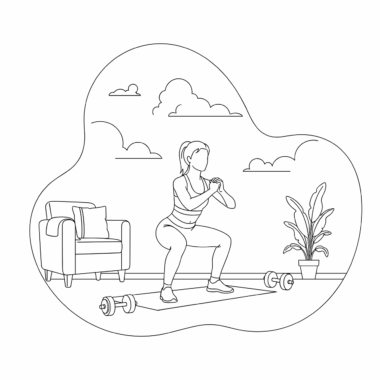
Some great bodyweight exercises for pregnant women include modified squats, wall push-ups, and gentle lunges. Each of these exercises is low-impact and designed to strengthen the muscles while ensuring safety. For instance, modified squats can help maintain lower body strength, while wall push-ups can enhance upper body strength. Gentle lunges encourage proper alignment and stability, which are crucial during pregnancy. When opting for these exercises, it’s essential to prioritize proper form—keep your knees in line with your toes and maintain a neutral spine. These movements can often be varied in depth or range to accommodate growing bellies and changing comfort levels. Always listen to your body and avoid any exercise that feels uncomfortable. You do not need to push yourself too hard during pregnancy. Most importantly, focus on breathing deeply and rhythmically throughout repetitions. This can improve oxygen supply not just to you but also to your fetus. Remember that consistency is vital, and finding times throughout the week for workout sessions can contribute massively to overall well-being.
Specific Bodyweight Exercises
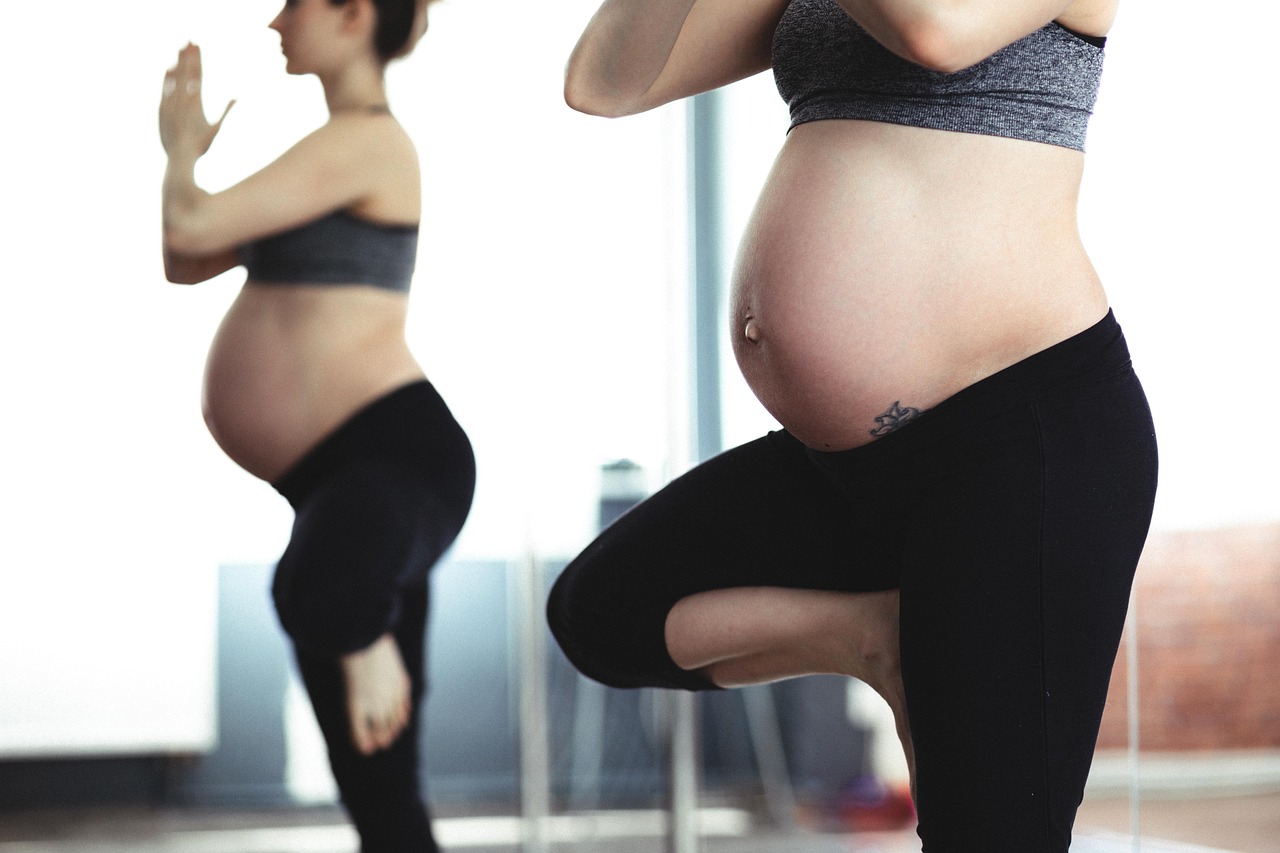
One simple yet effective exercise for pregnant women is the standing leg lift. This move is excellent for strengthening core muscles and promoting balance. Begin by standing tall and holding onto the back of a chair for support. Then, lift one leg out to the side, keeping your hips squared. Lower it back down gently and repeat on the other side. This exercise helps with stability, which can be particularly helpful as your body changes. Incorporating belly breathing while performing this exercise can also assist in relaxation and focus. Another beneficial move is seated side bends, which help stretch and strengthen the oblique muscles. They can support back health and improve mobility. To perform this, sit on a chair with your feet firmly planted on the ground. Reach one arm overhead and lean to the opposite side, feeling a gentle stretch. Hold for a few moments before switching. Movement variety is key, and combining these exercises into a routine can maximize benefits while keeping things enjoyable.
During the later stages of pregnancy, some women may feel discomfort during typical exercise routines. Adaptation is essential in this context. Modified glute bridges can be particularly advantageous during the second and third trimesters as they encourage pelvic floor strength and core stability. Simply lie on your back with your knees bent and feet flat on the floor, then lift your hips upward while squeezing your glutes. Hold for a few seconds before lowering yourself back down. This exercise not only strengthens essential muscles but also helps alleviate pressure on the lower back. Another valuable bodyweight exercise is the cat-cow stretch, which can relieve tension and promote spinal flexibility. Kneel comfortably on all fours, and alternate between arching your back and rounding it. Remember to focus on your breath throughout these movements. Incorporating stretches into your routine provides gentle relief from everyday pregnancy discomforts while also benefiting muscle tension. Understanding your body’s limits is vital while adapting exercises helps maintain a fitness regimen suitable throughout pregnancy.
Postpartum Considerations
Postpartum, many women are eager to resume physical activity, including bodyweight exercises. The right approach is critical in this transitional period. Initiating exercise slowly, considering your healing process, helps avoid discomfort or injury. Many focus on pelvic floor exercises to strengthen those essential muscles weakened during childbirth. Kegel exercises are highly recommended and can be performed discreetly throughout the day. They help improve bladder control and may even improve intimacy after birth. Gradually, bodyweight exercises like modified planks or push-ups can be integrated back into the routine. Listening to your body is crucial, as energy levels fluctuate postpartum. Staying hydrated and nutrition-conscious will greatly support your exercise journey. Moreover, considering a regular schedule can instill structure as new routines can be daunting. Some women might find joining a community or supportive class helpful during this period for motivation. Encouragement from peers helps create a positive environment that fosters fitness and wellness for new mothers. Remember to celebrate your journey, focusing on progress instead of perfection.
Maintaining consistency with bodyweight exercises during pregnancy and postpartum can yield tremendous health benefits. It’s crucial to be kind to yourself during this transition and ensure that workouts are manageable and enjoyable. Remember that everyone’s journey is different. The goal is a healthy and strong body that prepares you for labor, delivery, and motherhood. Be patient as you navigate changes in your body and fitness levels. Surround yourself with support, whether through various online platforms, fitness groups, or community classes promoting maternal health. Finding joy in moving your body, no matter the intensity, builds a lasting foundation for health and well-being. As your baby grows, ensure you adjust your workouts to maintain your comfort and safety. Finally, encouraging other women, whether pregnant or postpartum, to engage in physical activity can lead to shared experiences that foster camaraderie and support throughout what can be an overwhelming time. Celebrate the beauty of motherhood and remember that every step taken in fitness counts towards a healthier lifestyle, for yourself and your family.