
Balancing Rest and Work Intervals in Circuit Training
Circuit training is a dynamic workout regimen that emphasizes quick transitions between various exercises. Understanding how to balance rest and work intervals is vital for maximizing the benefits of this form of training. The structure typically involves performing a series of exercises targeting different muscle groups with minimal rest in between. The aim is to improve strength, cardiovascular fitness, and flexibility simultaneously. The timing of work intervals, usually set between 30 seconds to 1 minute, along with short rest periods, plays a crucial role in sustaining intensity while managing fatigue. Short bursts of activity elevate heart rates, facilitating improved endurance. Proper interval management also helps to prevent overtraining, allowing muscles enough recovery to replenish energy stores. Many trainers advocate following the 2:1 work-to-rest ratio, meaning if you work for 40 seconds, you rest for 20 seconds before transitioning to the next exercise. Ultimately, listening to one’s body and adjusting rest intervals can lead to better overall performance, reduced risk of injury, and enhanced long-term adherence to a fitness program.
Understanding the role of posture in circuit training effectiveness is crucial. During circuit training, maintaining proper form while performing exercises is fundamental to avoid injuries and achieve desired results. Each exercise, whether it be squats, push-ups, or jumping jacks, requires a specific posture to effectively target the appropriate muscle groups. Additionally, poor technique can lead to imbalances, increasing the risk of strain or injury. To address this, participants should take a moment to ensure proper positioning before beginning each activity. Incorporating a warm-up routine can help prepare the body for strenuous movements, thereby enhancing performance during the work intervals. Furthermore, consistent practice with correct posture can reinforce muscle memory. Reviewing exercises through instructional videos or fitness apps can provide visual cues essential for maintaining good form. Engaging in body awareness exercises such as yoga or Pilates can also enhance one’s understanding of posture. Strengthening the core will support stability and alignment as well. Overall, improvement in posture leads to higher engagement during workouts, maximizing the benefits of cardiovascular conditioning and improving muscle tone.
Importance of Recovery
Recovery is just as crucial as the workout itself in circuit training routines, affecting overall performance and results. Adequate rest intervals allow muscles to recover, replenishing energy sources and reducing fatigue. In circuit training, where multiple muscle groups are targeted in quick succession, the recovery time between exercises is critical for sustaining high-energy output. Emphasizing rest enhances muscle repair, which can lead to increased strength over time. Research suggests that by incorporating planned rest periods, individuals may experience improvements in strength, power, and overall fitness levels. One effective strategy is active recovery, which involves low-intensity movements like walking or stretching between sets. This helps maintain a heart rate while allowing recovery. Furthermore, hydration should not be overlooked during recovery; it ensures efficient muscle function and prevents cramping. Additionally, post-exercise nutrition with a focus on protein and carbohydrates may foster quicker recovery. It is beneficial to listen to your body, recognizing when additional rest days are needed. Prioritizing recovery is essential for maintaining motivation and ensuring the longevity of an exercise regimen.
Nutrition plays a significant role in enhancing the effectiveness of circuit training, influencing both performance and recovery. Consuming a balanced diet rich in protein, healthy fats, and carbohydrates is vital to fuel the body during and after workouts. Protein is crucial for muscle repair and growth, while carbohydrates provide energy for intense work periods. Staying hydrated is equally important, as dehydration can impede performance, leading to early fatigue. Pre-workout meals or snacks should ideally include complex carbohydrates and protein, consumed about 1-2 hours prior to training to maximize energy availability. Post-workout nutrition also holds importance, with the consumption of protein and carbohydrates assisting in recovery. Meals like grilled chicken with quinoa or a protein shake with fruits can significantly enhance recovery rates. Furthermore, micronutrients found in fruits and vegetables contribute to overall health, improving energy and supporting metabolic processes. Supplements may be considered as adjuncts, but they should not replace whole foods. Ultimately, proper nutrition complements circuit training by enhancing energy levels, reducing recovery time, and promoting gains in strength and endurance.
Setting Realistic Goals
Establishing realistic fitness goals is essential in circuit training, as it helps guide progress and maintain motivation. Setting SMART goals—specific, measurable, attainable, relevant, and time-bound—can provide structure to one’s workout plan. For instance, aiming to complete four circuit sessions per week, improving exercise duration, or increasing resistance can serve as motivating targets. Monitoring progress through fitness apps or journals can help refine these goals, making adjustments based on outcomes and personal experiences. This approach fosters accountability while motivating participants to remain consistent with their workout schedule. Additionally, it can be helpful to celebrate small achievements, which reinforces positive behavior and builds confidence over time. Collaboration with fitness professionals may also provide personalized insights and encouragement. Participants who engage in circuit training as part of a group may find added motivation through camaraderie. Peer support can propel individuals to push through challenging moments. Ultimately, setting and achieving fitness goals in circuit training engenders a sense of accomplishment, swaying participants toward continuous engagement and growth.
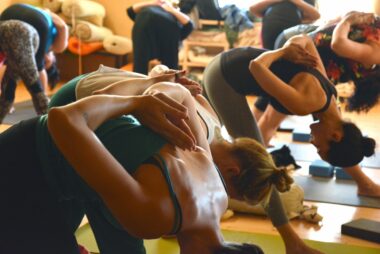
The role of group dynamics cannot be understated in the context of circuit training. Exercising within a group or class setting cultivates a sense of community and shared purpose. Participants often push themselves harder when surrounded by others, enhancing motivation and enjoyment of the workout. Additionally, group workouts allow individuals to share experiences and strategies, fostering a healthy learning environment. The encouragement from peers can facilitate pushing through difficult intervals and may reduce the feelings of isolation that sometimes accompany fitness journeys. Friendly competitions, such as timing individual exercises or seeing who can complete more rounds, can boost the overall excitement and engagement level of circuit training classes. Furthermore, group sessions often have trained instructors who can provide guidance, ensuring proper form and technique across varied fitness levels. This accessibility to professional advice contributes to better performance outcomes. Many group classes also emphasize inclusivity, catering to various abilities and age groups. Therefore, whether one is a seasoned athlete or a beginner, group dynamics create a supportive atmosphere that can significantly enhance fitness experiences in circuit training.
Incorporating Technology in Training
In the digital age, utilizing technology has become increasingly important in circuit training routines. Fitness apps, wearable devices, and online videos can guide participants through effective workouts, providing not only structure but also accountability. Tracking progress through apps allows individuals to monitor improvements in fitness levels. Many apps offer customized circuit workouts, allowing participants to tailor exercises based on their fitness levels and goals. Additionally, wearable devices can provide real-time feedback on heart rates, caloric burn, and overall activity levels during circuit workouts. This information can be invaluable for determining if the intensity is sufficient for optimal results. Moreover, online communities can further bolster motivation, allowing users to share their journeys, challenges, and triumphs. Following hashtags or engaging with fitness influencer content on social media platforms can provide inspiration and ideas for new exercises. Furthermore, virtual training options allow access to expert guidance from the comfort of home. Exploring these technological benefits can help participants remain engaged, motivated, and informed as they pursue their fitness aspirations within circuit training.
In summary, circuit training offers a comprehensive approach to fitness, effectively combining resistance and cardiovascular training into one efficient workout regimen. Balancing rest and work intervals is essential for maximizing the effectiveness of this type of training. Implementing proper nutrition ensures that participants fuel their bodies adequately, enabling them to achieve their fitness goals. Establishing realistic fitness goals alongside utilizing supportive group dynamics and technological tools can significantly enhance motivation and progress. Recovery plays a crucial role in ensuring sustainable fitness practices, promoting overall well-being and longevity in workout routines. Each piece of this framework contributes uniquely to an individualized approach to fitness. Whether one is new to circuit training or has been actively participating for years, continuously adapting elements of the program to meet personal needs fosters lasting results. Emphasizing technique and safety throughout training is vital to injury prevention. With dedication and the right mindset, individuals can experience transformative wellness benefits that not only elevate physical fitness levels but also improve confidence and mental health. Therefore, exploring all facets surrounding circuit training allows for a holistic understanding of both the science and enjoyment within a fitness lifestyle.