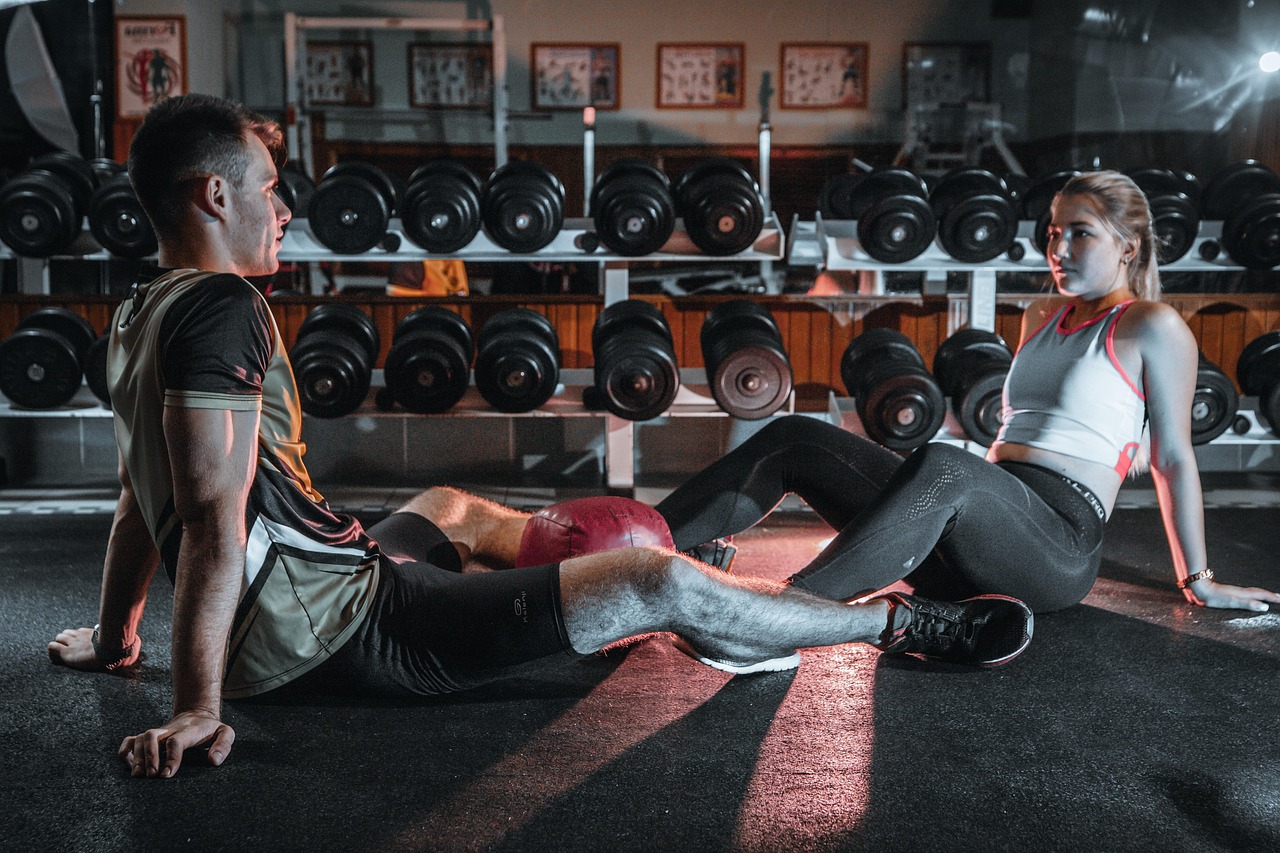

Using Stability Balls for Advanced Core Training in Sports
Stability balls are instrumental in advanced core training for athletes in various sports. These inflatable balls significantly improve balance, coordination, and core strength. By incorporating stability balls into training routines, athletes can engage their deep core muscles, which are pivotal for optimal performance. The instability created by using these balls challenges the core unlike traditional exercises. Moreover, it helps in preventing injuries by enhancing muscular stabilization surrounding the spine and pelvis. Athletes who perform stability ball exercises can expect improved functional movements vital for their respective sports. Such exercises not only enhance physical capabilities but also build resilience against potential injuries. Moreover, stability ball drills can be tailored to suit specific sports, ensuring athletes develop sport-specific strength and stability. Integrating stability balls into coherent training programs promotes comprehensive fitness. Consequently, athletes experience a marked enhancement in their dynamic strength, agility, and overall athletic performance. Initiating your training with proper understanding and technique will yield the best results. Therefore, it is essential to focus on form to maximize effectiveness while minimizing risk.
Here are key benefits to integrating stability balls into training routines. First, they provide an unstable surface which forces the core muscles to engage more effectively during workouts. This engagement leads to better core activation, which is essential for explosive movements. Second, the use of stability balls enhances proprioception, or the body’s ability to sense its position in space. This increased awareness is vital for making quick movements during games or matches. Third, athletes who train with stability balls often show improvements in muscular endurance and flexibility. These factors are imperative for sustaining peak performance during competitions. Fourth, incorporating stability balls can lead to significant improvements in functional strength, enabling athletes to execute sport-specific techniques efficiently. Additionally, utilizing these balls can provide a fresh approach to workout routines, combating monotony and keeping motivation high. The variety offered by stability ball exercises ensures that athletes remain engaged, fostering consistency in training. Furthermore, strength training on a stability ball can enhance posture, which is beneficial for overall biomechanics. As a result, athletes are better equipped to handle the physical demands of their sport.
Effective Stability Ball Exercises for Athletes
Numerous stability ball exercises can be beneficial for athletes. One popular move is the stability ball plank. By positioning the arms on the ball, athletes can increase the difficulty level of this classic core exercise. This move encourages engagement of the rectus abdominis and ob-liques while also enhancing shoulder stabilization. Another effective exercise is the wall ball squat. This involves placing the ball against a wall, supporting the lower back during squats while also engaging the core muscles effectively. Subsequently, there is the stability ball bridge, which focuses on the glutes and lower back by lifting the hips while balancing on the ball. Furthermore, the stability ball roll-out is excellent for targeting the abdominal muscles. Athletes initiate the movement from a kneeling position, rolling the stability ball forward while maintaining a straight posture. Finally, the stability ball pass, where athletes pass the ball between their legs and arms, offers a fun and dynamic way to work the core. Incorporating these exercises into regular training can lead to superior strength and performance, ensuring athletes harness their potential.
When incorporating stability balls into a training regimen, it is crucial to follow best practices. First, assess your current fitness level and ensure your body is adequately prepared for the new exercises introduced. Gradually introduce stability ball exercises, starting with basic movements before progressing to advanced variations. This approach will help prevent injuries and enhance adaptability to the instability of the ball. It’s vital to focus on your form throughout each exercise. Maintaining proper alignment not only maximizes the effectiveness of the workout but also minimizes the risk of injury. Consider working with a knowledgeable trainer who can provide guidance and ensure movements are performed correctly. Moreover, set realistic goals and monitor your progression. Consistency and dedication in practice will yield noticeable improvements over time. Additionally, don’t hesitate to integrate complementary workouts, such as Pilates or yoga, which can further enhance core strength and flexibility. Lastly, remain mindful of your body’s cues and adjust workouts accordingly. This awareness will help you avoid overexertion and allow adequate recovery between sessions for optimal performance.
Common Mistakes to Avoid
While training with stability balls, there are prevalent mistakes that athletes should avoid. One of the most significant errors is neglecting core engagement. It’s essential to consciously activate the core muscles during stability ball exercises to reap their full benefits. Likewise, performing movements too quickly can diminish effectiveness and increase the risk of injury. Instead, focus on the quality of each repetition rather than the quantity. Another frequent mistake is failing to maintain proper body alignment. It’s crucial to keep the spine straight and avoid overarching during movements. Falling into incorrect postures can lead to strain and diminish the intended effects of the exercises. Additionally, using a ball that is the wrong size can also pose challenges. For instance, using an oversized ball can detract from exercise effectiveness while a too-small ball can lead to instability. Therefore, athletes must choose the right size based on their height. Lastly, neglecting to incorporate variety into routines can hinder progress. Mixing up exercises ensures that different muscle groups are engaged and helps maintain interest in training.
In conclusion, stability balls offer extensive benefits for enhancing core strength in athletes across sports. The dynamic nature of these balls facilitates exercises that engage various muscle groups, promoting greater stability and coordination. Through the incorporation of stability balls, athletes can experience improved performance in their respective fields. The versatility of stability ball workouts means that they can be tailored to meet individual needs, ensuring intensity levels match skill and fitness. Moreover, stability balls are economically accessible across fitness levels, making them an attractive option for both beginner and advanced athletes. Investing in stability ball training will yield dividends for athletes looking to enhance their core capabilities. They can not only prevent injuries but also develop the strength necessary for their sport. As athletes continue to integrate stability balls into their training, they will likely see remarkable progress. Bringing a collaborative approach, involving trainers or coaches, fosters accountability and success. Ultimately, training consistently and strategically will lead to significant gains in overall athletic performance. Hence, athletes should explore the countless possibilities that stability balls offer for sports-specific core training.
The Future of Core Training
As sports evolve, so too does the approach to core training. Future developments in training methodology may further emphasize the role of stability balls. Innovations in equipment design can enhance their effectiveness while making them more user-friendly. Potential advancements may incorporate technology, leading to interactive stability ball workouts that analyze performance metrics. Such technology could allow athletes to receive real-time feedback, refining their techniques for maximum efficiency. Furthermore, as research continues to explore the benefits of core stability training, systems may emerge guiding personalized training programs. These systems will be tailored specifically for different sports, providing athletes with customized frameworks. The awareness of the importance of core training is expanding among coaches, athletes, and sports scientists alike. Consequently, there may be a shift in focusing more on injury prevention through core strength. The future of core training is promising, with opportunities for enhanced performance. Potential collaborations between fitness tech innovators and sports scientists can further optimize training techniques for stability ball use. Athletes should remain proactive in learning about emerging trends to continually refine their training and performance.
When considering the potential impact of stability balls on athletic performance, the focus should not solely be on physical strength. Mental elements, such as the ability to remain composed during challenging routines, play a significant role in overall performance. Athletes who are mentally prepared can overcome obstacles more effectively while maintaining their physical edge. Training on stability balls develops not only core strength but also fosters a growth mindset essential for success in sports. As stability ball exercises enhance focus, athletes can cultivate better concentration on their sport-specific goals. Incorporating stable surfaces alongside stability balls can balance routines, as doing so may prevent physical burnout from overuse of unstable environments. This balanced approach allows athletes to manage their training and restorative processes better. Additionally, collaboration with mental coaches and trainers enhances the effectiveness of the training regimen. Engaging in proper recovery practices helps reinforce the foundational work developed on stability balls. Being mindful of each step in the training process is vital for long-term success. Athletes who are intentional about their workouts are more likely to achieve their aspirations, making it essential to harness the full benefits of core strengthening with stability balls.