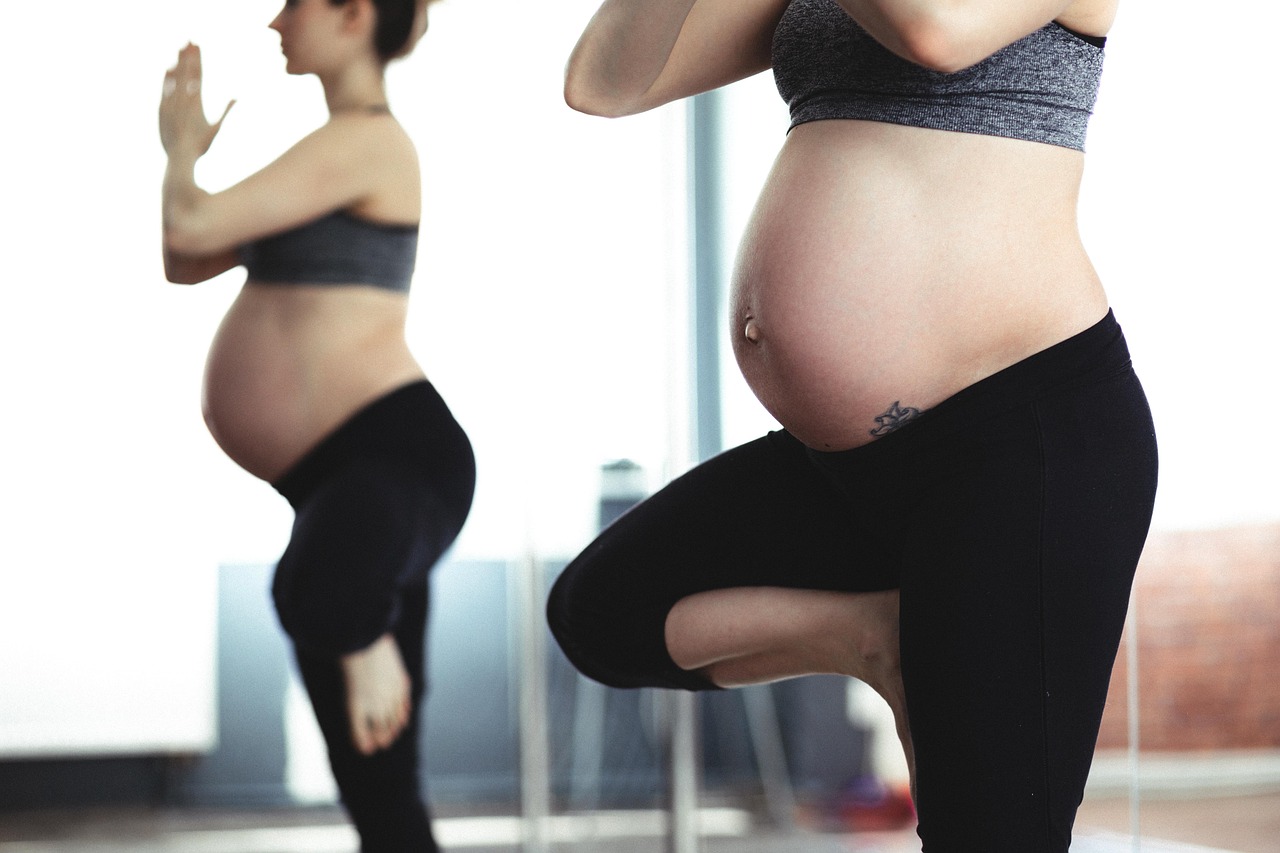

The Science Behind Strength Training and Pregnancy Outcomes
Strength training during pregnancy, guided by expert trainers, focuses on improving muscle tone, endurance, and overall fitness. Regular exercise during this period can yield numerous benefits, including reducing the risk of gestational diabetes, managing weight gain, and promoting mental well-being. Engaging in structured strength training can help expectant mothers maintain their functional strength, which is particularly beneficial as their body undergoes significant changes. However, it is essential to seek guidance from health professionals to tailor strength training programs to each individual’s needs. Key components of an effective strength training program should take into account comfort, safety, and personal fitness history. The American College of Obstetricians and Gynecologists (ACOG) emphasizes the importance of maintaining a balanced routine, consisting of both strength and cardio exercises. This balance can promote cardiovascular health while building essential muscle strength, crucial for labor and recovery postpartum. Moreover, strength training can also prepare the body for various physical demands experienced during pregnancy, thus enhancing the overall health experience for mothers and their babies alike.
Benefits of Strength Training
Studies have demonstrated that engaging in strength training while pregnant not only enhances physical well-being but also contributes to effective labor and delivery outcomes. Pregnant women who participate in strength training often report improved muscle tone and function, allowing for enhanced mobility throughout pregnancy. This increased strength can also reduce back pain, a common complaint during pregnancy, thereby improving overall comfort levels. Additionally, strength training positively impacts mental health by reducing anxiety and depressive symptoms, a key factor during pregnancy. Furthermore, the practice can help new mothers recover quicker postpartum, regaining their strength and helping with daily tasks. In alignment with ACOG guidelines, expectant mothers are encouraged to engage in strength training at least two to three days a week to reap the full benefits. Incorporating various exercises targeting major muscle groups is essential for a well-rounded approach. Expectant mothers should consult with healthcare providers before initiating or adjusting their fitness routines, ensuring the chosen exercises are safe and adapted to their unique circumstances. Overall, the science supports the numerous evident advantages of strength training during pregnancy.
Adapting strength training for pregnancy is crucial for both safety and ensuring a positive experience. During pregnancy, an individual’s center of gravity shifts, which can affect balance and coordination when performing exercises. Hence, it is advisable to focus on low-impact movements and resistance exercises that do not put undue stress on the joints. Furthermore, utilizing body weight, resistance bands, or light weights, can ensure safety while providing effective workouts. Developing a customized routine that addresses each individual’s physical condition promotes better adherence and reduces the risk of injury. Critical exercises such as squats, lunges, and modified push-ups can be seamlessly integrated into strength training schedules. It’s vital to maintain proper hydration and avoid overheating during workouts as pregnancy alters thermoregulation. Additionally, monitoring body signals is essential; if discomfort occurs, modifications should be made. Also, including pelvic floor exercises in strength training enhances core stability and supports postpartum recovery. Encouraging a supportive environment where expectant mothers feel empowered to embrace physical activity is key to fostering consistent exercise habits throughout pregnancy. Matched with proper knowledge, adapted strength routines can contribute to a healthier pregnancy journey.
Nutrition and Strength Training
Nutrition plays a vital role in maximizing the benefits of strength training for pregnant women. Consuming a well-balanced diet that includes adequate amounts of protein, healthy fats, and carbohydrates is crucial for supporting the increased energy demands associated with exercise. Proteins are pivotal in muscle recovery and development, especially when combined with strength training. It is recommended that pregnant women consume more protein compared to non-pregnant women, aiding in the growth of fetal tissues and maternal muscle mass. Besides proteins, carbohydrates provide the necessary fuel for workouts; therefore, including healthy carbohydrate sources such as whole grains and fruits in the daily diet will be beneficial. Additionally, staying hydrated is important during exercise, and pregnant women should ensure proper fluid intake to avoid dehydration. Consulting a registered dietitian can further enhance nutritional strategies. It is vital for expectant mothers to develop healthy eating patterns that align with their strength training routines, thus maximizing weight management and overall health. With well-planned nutrition, strength training can become a powerful tool in achieving a healthy and enjoyable pregnancy while fostering long-term wellness.
Post-pregnancy, the benefits of strength training extend even further. Women who consistently engaged in strength training during pregnancy often find it easier to regain muscle tone, enhance endurance, and support their bodies through recovery. Striking a balance between strength training and rest is crucial, as adequate recovery time allows the body to heal and adapt after childbirth. Women are encouraged to start with gentle exercises focusing on the pelvic floor and core before gradually incorporating more intense strength training back into their routines. Moreover, strength training helps mitigate pregnancy-related weight retention, enabling smoother transitions back to pre-pregnancy fitness levels. Collaborative support groups or classes can facilitate reintegration into fitness communities; they provide motivation and accountability after childbirth. Additionally, utilizing online resources or local classes can create accessible venues for returning to fitness. Engaging in regular strength training can also positively influence mental wellness, combating postpartum blues and fostering connections among new mothers. Time management for mothers is an essential aspect, making at-home workouts or brief training sessions easier to incorporate. The journey does not end at childbirth; a lifelong commitment to health and fitness is essential.
Conclusion on Strength Training
In conclusion, engaging in strength training during pregnancy encompasses multiple benefits that promote overall well-being for expectant mothers and their babies. While it helps build physical strength and comfort, it also supports mental health and enhances recovery postpartum. Consulting healthcare providers and certified fitness trainers is crucial to customize training regimens to each individual’s needs, ensuring safe practices. Incorporating a variety of exercises along with adequate nutrition enhances the effectiveness of strength training, producing measurable positive outcomes throughout pregnancy and beyond. As women navigate the exciting challenges of motherhood, establishing a strong foundation during pregnancy through strength training can foster long-term health habits. With available resources and community support, mothers can embrace a fulfilling fitness journey while enjoying the rewarding aspects of motherhood. The myriad advantages of strength training highlight its significance as an accessible approach to remain active. Building awareness and understanding of appropriate strategies can influence positive experiences for mothers and ultimately their newborns. Empowering expectant women to engage in fitness is key to promoting healthy pregnancies and fueling lifelong wellness.
Adopting strength training strategies can be transformative for women navigating pregnancy. By focusing on proper techniques, recognizing individual comfort, and understanding their bodies’ needs, expectant mothers can safely engage in workouts that enhance their overall health. Existing literature continues to advocate for exercise as a pivotal part of a healthy pregnancy. Personalized fitness plans crafted in consultation with coaches lead to sustained motivation and positively influenced outcomes. While individual circumstances may vary, cultivating a supportive network can enrich the experience, providing understanding and camaraderie throughout the journey. Women should feel empowered by their choices regarding training, fitness, and well-being. Strong evidence emerges to support the long-term advantages of integrating strength training into routine practices for pregnant individuals. Every woman’s journey is unique, but benefits can cross diverse experiences. Setting realistic goals, practicing patience, and embracing the evolving nature of activity throughout pregnancy equips women to navigate fitness confidently. As more women indulge in strength training during their pregnancies, the community flourishes, bringing forward collective knowledge and support for future generations. Ultimately, strength training is a pathway to achieving healthy pregnancies and fostering holistic well-being for mothers and their families.
In sum, strength training during pregnancy presents a myriad of advantages for physical and mental health, ultimately promoting better outcomes for mothers and their children. It is essential for expectant mothers to remain informed and proactive regarding their fitness choices. Safety, comfort, and personalized approaches should guide their fitness journeys, ensuring enjoyable experiences and easing the challenges of pregnancy. Given the significance of early physical activity, establishing strong habits during pregnancy can foster a continuous journey of health and well-being. Encouraging women to embrace fitness accompanies a potent message about maternal health benefits. Seeking assistance from trained professionals can facilitate knowledge and competence in performing strength training routines effectively. By remaining engaged in conversations about fitness, empowered women can inspire others to take part in their wellness journeys. As society continues to emphasize the importance of health during pregnancy, fostering a culture that supports fitness will result in healthier generations. Adopting strength training can become a significant part of women’s lives, forging pathways to sustainable well-being that transcends the pregnancy period. Every effort invested into improving health through strength training provides significant rewards for families, leaving lasting impacts.