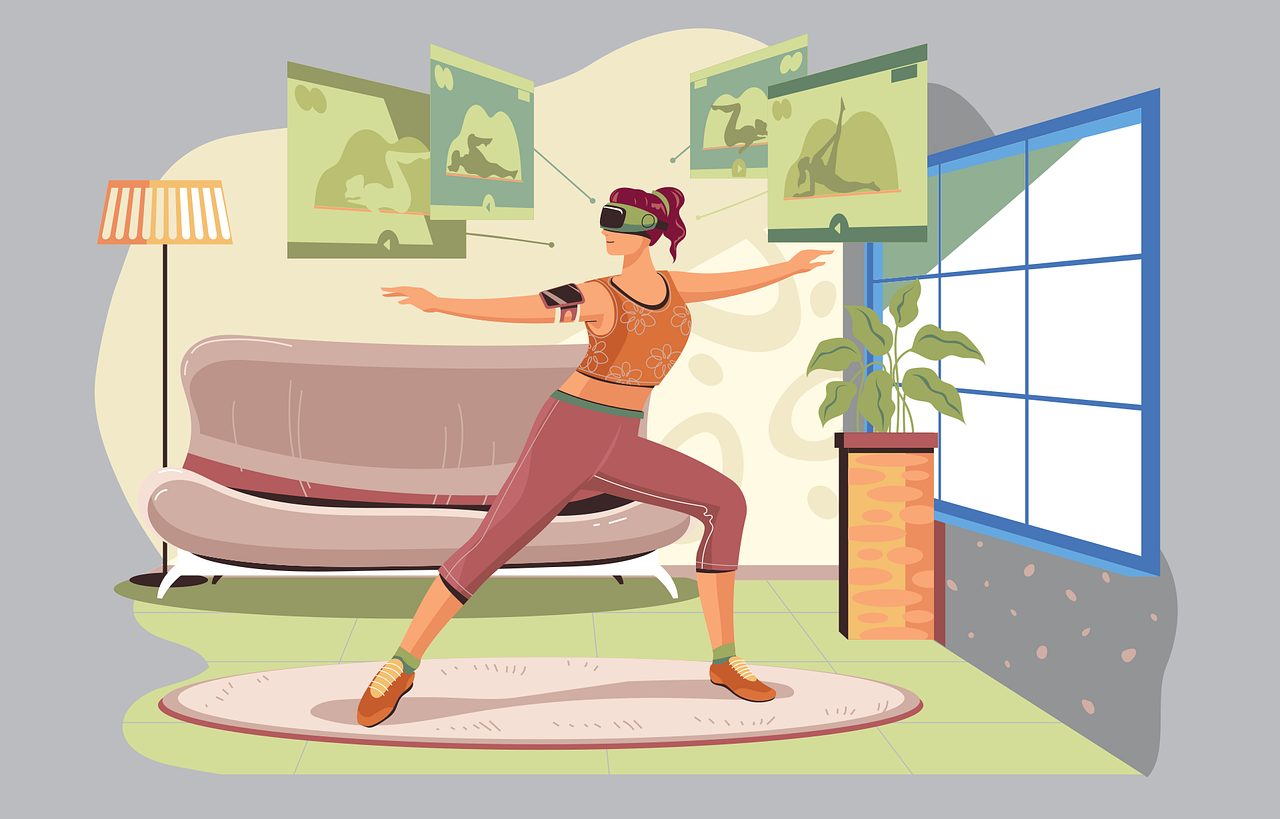

The Evolution of Fitness Technology: From Wearables to VR
Fitness technology has undergone significant transformations over the years, making workouts more efficient and enjoyable. From early pedometers to advanced fitness trackers, technology has played a crucial role in monitoring health. The introduction of wearable devices further revolutionized fitness by allowing users to track metrics like heart rate, calories burned, and activity levels. These devices connect to smartphones, enabling users to analyze real-time data and adjust their workouts accordingly. With the shift towards digital solutions, the fitness industry has expanded its offerings. Emerging technologies like augmented reality (AR) and virtual reality (VR) provide interactive experiences for users, catering to diverse workout styles and preferences. In VR workouts, users engage in immersive environments, motivating them to push their limits. As technology continues to advance, the line between fitness and gaming blurs. This intersection evokes excitement among fitness enthusiasts looking for variety. Furthermore, innovations such as AI-driven personal trainers and smart gym equipment are reshaping how people approach fitness. The seamless integration of technology promises to further enhance experiences for users seeking effective and enjoyable workouts.
The Rise of Virtual Reality Workouts
As the fitness industry adapts to modern trends, virtual reality workouts have gained considerable popularity. This innovative approach to exercising provides a unique experience, attracting both fitness enthusiasts and gamers. VR technology enables users to engage in workouts that simulate real-world environments, such as climbing mountains or exploring underwater landscapes. These immersive settings serve as motivational tools, encouraging individuals to remain active and push their boundaries. Furthermore, virtual reality workouts often incorporate gamification elements, allowing users to achieve goals, earn rewards, and compete with friends. This adds an exciting competitive edge that traditional workouts may lack. Various VR platforms offer numerous fitness programs, catering to different workout preferences. Users can partake in activities ranging from high-intensity interval training (HIIT) to calming yoga sessions. This diversity ensures that workouts remain fresh and engaging. Additionally, VR fitness solutions can accommodate various fitness levels, promoting inclusivity in fitness. The ability to track progress within these virtual environments helps users stay committed to their health objectives. As more individuals explore VR workouts, the technology’s potential to revolutionize personal fitness continues to expand.
Virtual reality workouts also address common barriers that prevent individuals from engaging in regular exercise. Many people find traditional gyms intimidating or simply struggle to find motivation. By providing an immersive and engaging environment, VR workouts can promote inclusivity and accessibility. This encourages individuals who may have been hesitant to participate in physical activities to give it a try. Furthermore, the social aspect of virtual workouts cannot be overlooked. Many platforms allow users to connect and interact with friends, creating a sense of community and support. This is particularly important for those who thrive in social settings. By sharing experiences and conquering challenges together, users can feel accountable for their fitness journeys. As technology continues to improve, the capabilities of VR workouts will undoubtedly expand. Future advancements may include more personalized fitness experiences, improved motion tracking, and enhanced levels of interactivity. Such innovations will help ensure that virtual fitness remains at the forefront of the fitness technology revolution. As the industry progresses, it will be exciting to witness how VR will continue to shape our understanding of fitness and its various forms.
Impact on Traditional Fitness Models
As virtual reality workouts gain traction, they are impacting traditional fitness models significantly. Brick-and-mortar gyms and fitness centers must adapt to remain competitive in a rapidly evolving marketplace. Many facilities are starting to incorporate VR technology into their offerings, providing classes that combine traditional exercises with engaging virtual environments. This fusion addresses the diverse preferences of today’s fitness consumers, promoting retention and attracting new members. Furthermore, fitness instructors are embracing VR as a way to enhance their teaching methods. With immersive environments, trainers can guide clients through workouts tailored to their individual needs while showcasing proper techniques and forms. This leads to improved learning and better fitness outcomes overall. Additionally, the variety offered by VR workouts encourages users to explore different fitness styles, fostering overall well-being. A well-rounded approach helps prevent plateaus and reduces the risk of injuries associated with repetitive exercises. The introduction of VR technology has also led to innovative fitness programs designed specifically for the virtual platform. These unique offerings further engage users looking for fresh experiences. As the fitness landscape continues to evolve, VR workouts will play a crucial role in shaping the future of physical exercise.
Affordability and accessibility remain essential factors driving the adoption of VR workouts. As technology advances, VR headsets and equipment become more reasonably priced, allowing more users to access the benefits of this immersive fitness experience. In addition, developers are creating engaging workout applications designed for various levels and abilities to ensure inclusivity. This shift encourages individuals from all backgrounds to embrace fitness technology and discover the advantages of virtual workouts. Many VR platforms offer subscription services, enabling users to access a wide range of fitness programs without the hefty price tag often associated with traditional gym memberships. This democratization of fitness is reshaping how people approach their health and well-being. Despite the excitement surrounding VR workouts, it is important to consider several factors. Users should ensure they are adequately equipped to engage in virtual exercises safely while taking precautions to avoid injuries. Proper space and movement management are crucial for an optimal experience. As the technology continues to evolve, it will be essential to address potential challenges, such as motion sickness and equipment limitations. Ongoing research will be vital to improving these aspects to ensure user safety and satisfaction.
The Future of Fitness Technology and VR
The future of fitness technology is undoubtedly intertwined with the growth of virtual reality. As market demand increases, expect manufacturers to continue innovating and refining their products to enhance user experience. Emerging VR technologies, such as artificial intelligence and machine learning, may reshape how users engage with virtual fitness. These advancements can lead to personalized workout plans tailored to individual requirements, providing a more effective and efficient approach to health and fitness. Additionally, data analytics may play a more significant role in determining user improvement and progress tracking. This wealth of information empowers users to make informed decisions about their fitness journeys. Furthermore, partnerships between fitness technology companies and content creators can lead to unique and captivating workout programs. By blending expertise from diverse fields, users will have access to innovative experiences while pushing their physical limits. The growing popularity of VR workouts may also inspire the development of specialized fitness communities, fostering engagement and support among like-minded individuals. As social connections continue to be a vital component of fitness, these groups can provide encouragement and accountability for users seeking personal growth.
In conclusion, the evolution of fitness technology, especially with the rise of virtual reality workouts, has transformed how individuals approach their health and well-being. The immersive experiences provided by VR engage users in new ways that traditional fitness cannot match. This innovation has encouraged more people to adopt healthy habits, proving to be effective for diverse demographics. As fitness technology progresses, the potential for growth and improvement remains vast. With the continuous advancement of VR fitness offerings, users can expect even more impactful experiences in the years ahead. Ultimately, this integration of technology and physical exercise presents exciting opportunities for those seeking improvement in their fitness journeys. The future will likely involve a blending of various fitness modalities, making the quest for health inclusive and enriching. As adoption grows, the fitness community will benefit immensely, paving the way for groundbreaking developments in personal training and self-improvement. Staying engaged with fitness through these interactive formats can keep motivation high. By embracing trends within fitness technology, users can unlock their full potential while enjoying varied and fulfilling workout experiences designed to meet their unique needs.
Conclusion
Fitness technology, particularly through virtual reality workouts, has forever changed how individuals experience exercise. As a result, people are discovering innovative ways to stay fit while having fun. Understanding the implications of these advancements is vital for ultimate success in personal fitness endeavors. Coaches, trainers, and enthusiasts alike must continuously adapt to ensure they provide opportunities for growth and progress. By embracing these trends, fitness professionals can align with a modern audience that seeks engagement and results. Ultimately, fitness technology should not merely serve as a tool, but as an avenue towards healthier lifestyles. The combination of advanced technology and fitness approaches makes the lifelong journey of health more accessible than ever, bridging gaps in traditional methodologies. How individuals integrate these advancements into their routines will be crucial. The evolution from wearables to virtual reality marks an exciting chapter in this journey, enabling the pursuit of holistic health and meaningful connections within the fitness community. Embracing this evolution will undoubtedly offer new pathways for personal and communal growth in the years to come.