
Stretching for Tight Hamstrings: Marathoner’s Guide
Stretching is a crucial component of marathon training, especially for those prone to tight hamstrings. Tight hamstrings can hinder your running efficiency, causing imbalances and potential injuries over time. Integrating a dedicated stretching routine can improve flexibility, enhance performance, and promote recovery. Implementing these stretches post-run, when muscles are warm, maximizes their effectiveness. Consider the following hamstring stretches: Standing Hamstring Stretch, Seated Forward Bend, and Supine Hamstring Stretch. Each of these stretches targets the hamstrings uniquely, offering a comprehensive approach to flexibility. Practicing these stretches regularly not only helps with hamstring tightness but also contributes to overall leg muscle flexibility. It’s essential to hold each stretch for at least 20 to 30 seconds to reap its benefits fully. Emphasizing breath during stretching soothes muscles and enhances the stretch’s effectiveness. Make sure to listen to your body and avoid pushing through sharp pain during stretching routines. Gradual improvements can lead to significant flexibility enhancements over time, helping marathoners maintain stride efficiency and running longevity.
Benefits of Stretching for Marathon Runners
Stretching routines for marathoners provide numerous benefits that go beyond just flexibility. Incorporating stretches into your training can help improve muscle performance, enhance blood flow, and reduce the risk of injuries significantly. Tight muscles are more susceptible to strains and tears, particularly during long runs. Engaging in regular flexibility exercises allows marathoners to maintain healthier muscle fibers and can ultimately improve overall race times. Increased range of motion promotes better running mechanics, allowing for a smoother stride and less energy expenditure. Moreover, stretching post-run can aid in faster muscle recovery by facilitating the removal of metabolic waste products built up during strenuous activity. Increased contractile strength may also lead to improved speed during races. Additionally, stretching routines can enhance neuromuscular coordination, giving marathoners better control over their movements. This coordination plays a crucial role in running efficiency. Ultimately, consistent stretching routines create a positive feedback loop that contributes to further successful marathon training. Remember to include both static and dynamic stretches in your regular training schedule for optimal results.
An effective stretching routine for tight hamstrings should encompass various techniques to ensure comprehensive muscle coverage. Dynamic stretches, which involve controlled movements, can warm up hamstrings pre-run effectively. Examples include leg swings and walking lunges, targeting the hamstrings while also preparing other leg muscles. After completing your run, transitioning to static stretches is essential for cooling down and lengthening those engaged muscles. Stretches such as the standing toe touch or seated forward fold can serve different realms of your leg muscles. A critical aspect of stretching is consistency. Adapting a routine that emphasizes hamstring flexibility is vital for long-term benefits. As a guideline, aim for at least three times a week for noticeable progress. Inviting a yoga class into your training can also introduce innovative stretching techniques beneficial for runners. Another tip is to consider foam rolling or self-myofascial release as part of your recovery. This technique focuses on releasing tightness built up in the hamstrings and surrounding muscle groups. Combining foam rolling with an effective stretching routine can yield significant improvements in flexibility and muscle health.
Common Mistakes in Stretching
Even with the numerous benefits stretching provides, many amateur marathoners make mistakes that hinder their flexibility goals. One common error is neglecting to warm up their muscles before stretching. Cold muscles do not respond well to stretching and may increase injury risk. Always engage in a light jog or brisk walk to elevate your body temperature before stretching. Another pitfall is rushing through stretches. Each stretch should be held for sufficient time, typically 20 to 30 seconds, allowing the muscle fibers to relax and adapt to the new range. Additionally, many runners fail to maintain proper alignment during stretches, which can stress joints and lead to discomfort. Focus on body positioning to ensure effective, injury-free stretching. Furthermore, some marathoners believe that stretching should be performed only when experiencing tightness. However, a proactive routine should be practiced regularly to prevent issues before they manifest. It’s equally vital to listen to your body. If a stretch causes intense pain, stop immediately and reassess your technique. Paying attention to these common mistakes can help marathon runners enhance their stretching practices effectively.
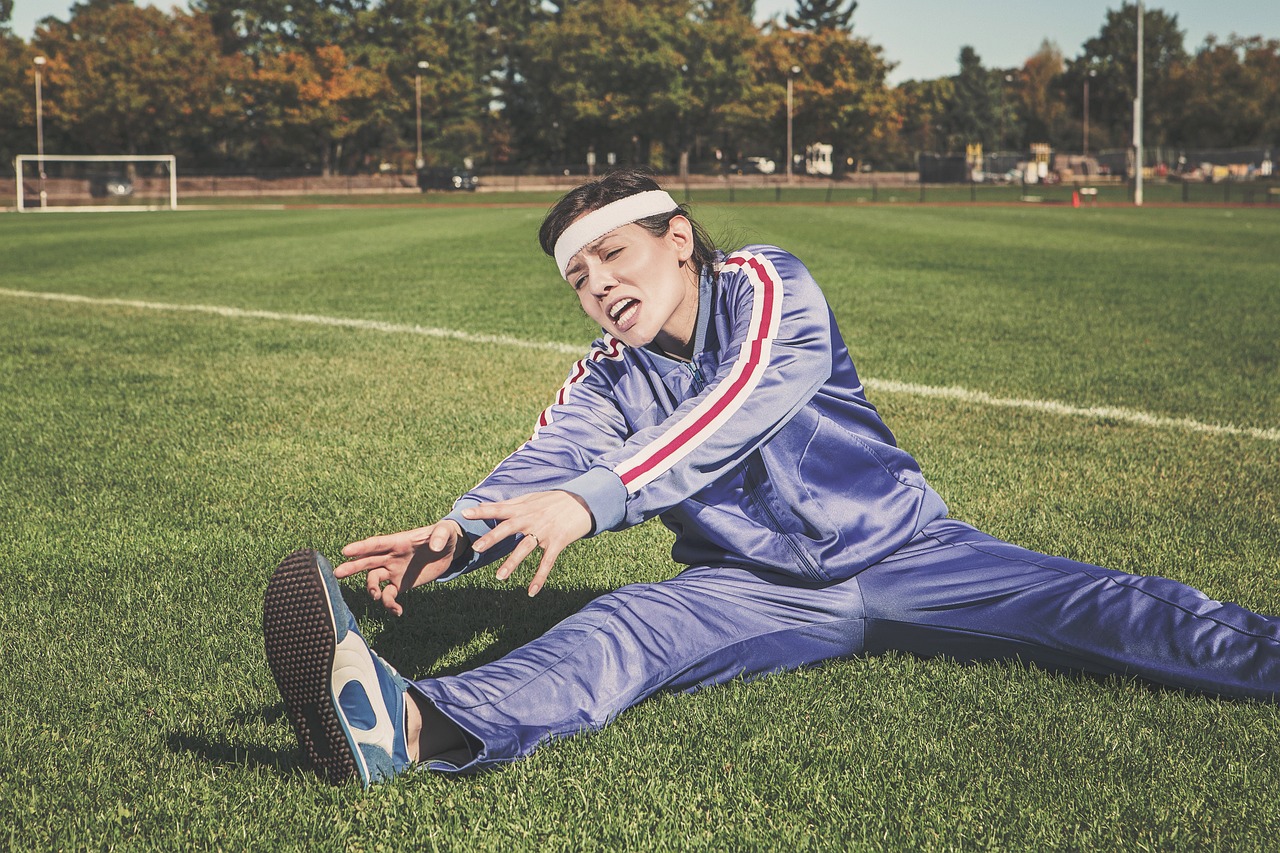
The incorporation of specific stretches targeting the hamstrings can promote greater flexibility and functionality for marathoners. The **Standing Hamstring Stretch** is a timeless choice that can easily be performed anywhere. Stand tall, place one heel on a low surface, and lean forward for a gentle stretch. Meanwhile, the **Seated Forward Bend** targets the hamstrings while also engaging the lower back, enhancing overall flexibility. It’s performed by sitting on the ground and reaching for your toes. Another beneficial technique is the **Supine Hamstring Stretch**, which can be done with a strap or towel. Lie on your back, raise one leg, and gently pull it towards your torso. These stretches can also provide a wonderful relaxation moment post-run. Incorporating these hamstring stretches consistently into your routine leads to long-term muscle adaptability. Regular stretching allows muscles to recover efficiently, maintaining their elasticity and function. This practice positively impacts runners’ daily performance and can contribute towards achieving peak fitness levels. Integrate various stretches into your regular race training as tailored routines enhance flexibility and combat tightness effectively.
Integrating Stretching with Other Recovery Modalities
To optimize marathon training and enhance overall performance, integrating stretching with other recovery modalities is highly recommended. One highly effective recovery practice is utilizing foam rollers, which serve to relieve muscle tightness. Foam rolling works by applying pressure to targeted muscle groups, helping to release tension before or after running sessions. This technique can be particularly effective when combined with stretching routines. Alternating between foam rolling and stretching provides a comprehensive approach to freeing tight hamstrings. Similarly, incorporating dynamic warm-ups before runs sets a solid foundation for optimal muscle function. A combination of techniques, such as light jogging, leg swings, and dynamic exercises, prepares hamstrings and surrounding muscles for increased workout demands. Moreover, massage therapy provides additional benefits when integrated into recovery plans. Regular massages can help decrease muscle tightness while promoting relaxation. Both massage and stretching contribute significantly to injury prevention. Hydration and nutrition also play crucial complementary roles in recovery. Ensuring adequate hydration levels supports muscle function and overall well-being. Combining these various recovery modalities amplifies the benefits each technique has to offer, culminating in improved marathon training outcomes.
As aspiring marathoners journey through their training, developing a consistent stretching routine tailored to their needs becomes indispensable. Overcoming tight hamstrings and enhancing flexibility significantly positively impacts running performance and enjoyment. A blend of dynamic and static stretches should feature prominently within regular training schedules, focusing on hamstrings and the surrounding muscle groups. Additionally, educating oneself on proper techniques allows for safe execution, thereby maximizing stretch benefits. Reflecting on personal progress can be encouraging; keeping a journal detailing flexibility improvements can motivate long-term commitment to these practices. Engaging in classes or online tutorials may facilitate the learning of new techniques and ensure continued growth in flexibility. Ensuring other complementary recovery strategies, such as foam rolling and massage therapy, yields an all-encompassing approach to muscle health. All marathoners can reap substantial rewards by implementation and diligence in their stretching routines. Over time, these practices will not only reduce discomfort and injuries but lead to enhanced performance during races. A balanced routine can ultimately rise above common challenges, helping every marathoner achieve their long-standing goals. Make stretching an integral part of your marathon training journey for the best results.