
Profiles: The Fastest Freestyle Swimmers in History
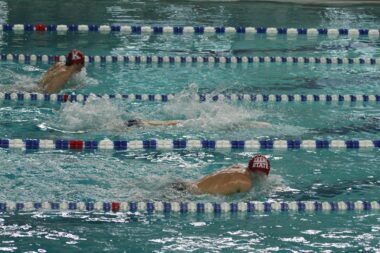
Freestyle swimming, known for its speed and agility, has birthed legendary athletes throughout history. Among these remarkable competitors, Michael Phelps stands at the forefront, having achieved unparalleled success in the sport. With 23 Olympic gold medals, Phelps transformed the landscape of competitive swimming. His astounding work ethic, combined with extraordinary technique, allowed him to dominate the pool over a decade. Following closely is his compatriot, Ryan Lochte, with multiple Olympic medals as well. Lochte is renowned for his versatility across swimming disciplines, making him a formidable opponent in freestyle events. Another amazing swimmer is Katie Ledecky, who has redefined distance swimming. Ledecky’s record-breaking performances in the 800 and 1500-meter freestyle showcase her outstanding endurance and technique. As we explore other athletes, it’s vital to acknowledge their contributions to the sport. Swimmers like Cesar Cielo of Brazil and Ian Thorpe from Australia brought new energy and excitement to competitions globally, pushing the boundaries of what’s possible in the water. Each of these athletes has significantly impacted swimming, making it a sport of endurance and excitement.
Celebrated Female Freestyle Swimmers
In the realm of female freestyle swimmers, few have reached the pinnacle of success like Missy Franklin. Franklin captured the hearts of many during the 2012 London Olympics when she won four gold medals. Her infectious personality and powerful swimming style made her an icon in the world of swimming. Another standout is Holly Hibbott, who excels in distances and has been breaking record after record. Additionally, we have Sarah Sjöström, known for her explosive speed and competitive streak. Sjöström’s records span both freestyle and butterfly events, showcasing her incredible versatility and unmatched talent in the water. Following in their footsteps is Rebecca Adlington, a renowned British swimmer who won two Olympic gold medals in 2008. Her achievements inspired many young girls to pursue the sport, reflecting her legacy beyond just medals. Not to forget, Federica Pellegrini, an Italian swimming marvel, has been a dominant force in freestyle events over the years. Each of these incredible female athletes not only marks their legacy with medals but also serves as inspirations worldwide.
When discussing freestyle legend, we must also highlight Grant Hackett, whose achievements in long-distance freestyle remain unmatched. The Australian swimmer broke world records that stood for years, showcasing exceptional endurance combined with an impressive technique. Hackett’s incredible discipline and capability saw him triumph in various competitions, making him a formidable contender at the Olympics. With a combination of remarkable breathing techniques and stamina, he constantly went head-to-head with equally competitive swimmers. He often competed against swimmers like Oussama Mellouli from Tunisia, who also excelled in freestyle and distance events, showcasing diverse international talent. The rivalry between these athletes brought incredible excitement to the swimming community and inspired countless others. In addition, we must consider the impact of athletes like Michael Klim, who revolutionized the 100-meter freestyle event, consistently pushing forward the sport’s limits. His achievements heavily influenced future generations of swimmers, marking a shift in competitive standards. The stories and achievements of these male athletes contribute significantly to the rich history of freestyle swimming. Ultimately, each swimmer’s journey reminds us of the passion and dedication required to excel in this challenging sport.
Historic Freestyle Competitions and Events
Throughout history, many significant competitions have showcased the speed and intensity of freestyle swimming. The Olympic Games, in particular, have been a prestigious platform for swimmers to display their talent and compete at the highest level. Events like the 100-meter freestyle and the relay races have seen thrilling finishes and remarkable rivalries. For instance, the unforgettable 2008 Beijing Olympics featured athletes vying for medals in thrilling finishes. The rivalry between Ryan Lochte and Michael Phelps reached its peak during these games. They consistently pushed each other to new heights, creating unforgettable moments. Another notable event was the World Aquatics Championships, where numerous world records have been set, showcasing the incredible advancements in training and swimmer preparation. The introduction of new swimsuit technology also significantly affected performances, leading to many record-breaking swims during the late 2000s. The fierce competitiveness and intense atmosphere in these events motivate masters and upcoming swimmers to reach beyond their limits, inspiring a new generation. Overall, these events highlight the evolving nature of swimming and the unwavering spirit of competitors striving for greatness in the sport.
As training techniques and technologies advance, so does the art of freestyle swimming. Many swimmers are now embracing various training methodologies, integrating both physical conditioning and mental preparation into their routines. Top coaches emphasize developing specific skills critical for the freestyle stroke, such as breath control and efficiency in different water levels. Techniques like ‘high elbow catch’ and ‘hip-driven swimming’ have changed the approach many athletes take to their training. Adjunct technologies, such as performance monitoring devices and underwater video analysis, have helped swimmers refine their techniques at an unprecedented rate. Furthermore, diversifying training plans by including strength training and flexibility exercises has allowed athletes to optimize their performance and prevent injuries. This multifaceted approach to training has created a new cadre of freestyle swimmers capable of breaking existing records regularly. Swimmers must also maintain healthy lifestyles outside the pool to support intensive training demands. Dietary choices, sleep patterns, and mental health play significant roles in a swimmer’s performance, indicating a deeper understanding of what it takes to succeed at the highest level in competitive swimming.
The Future of Freestyle Swimming
The future of freestyle swimming is bright, with young talents emerging around the globe. As we see increased participation in the sport, burgeoning athletes exhibit promising potential, driven by aspirations set by icons before them. Swimming schools are springing up everywhere, encouraging more youngsters to engage in the sport. Increased visibility through televised events and social media platforms inspires children and teens and fosters a dedication to training. Many nations are investing heavily in swim facilities and coaching, ensuring that aspiring athletes have their best chances to succeed. Additionally, competitive leagues’ sponsorships and endorsements are growing, helping swimmers gain financial backing and resources. It’s exciting to consider how future competitions may unfold and what new records might be shattered. Innovations in performance gear, such as advanced swimwear and training gear, will continue to push boundaries. Also, advancements in scientific understanding of sports performance will likely lead to new training regimens tailored specifically for maximizing swimmers’ abilities. Overall, the future of freestyle swimming promises thrilling developments, innovative techniques, and new heroes defining the sport for years to come.
In summary, freestyle swimming has produced countless champions whose profiles are etched in the annals of sports history. These athletes have captivated audiences with their skill, dedication, and relentless pursuit of excellence. From Phelps to Ledecky, each swimmer has contributed to a narrative that highlights the sport’s evolution and complexity. Moreover, the sense of community within competitive swimming has made it a cherished sport globally, uniting people around celebration, achievement, and inspiration. As new stars emerge, we bear witness to the legacy left by those who came before and who paved the way for future generations. Their stories remind us of the hard work and sacrifices required to reach the top of their craft. As we honor these incredible profiles, we anticipate the day when fresh faces will write the next chapter in freestyle history. The journey of these athletes reflects the relentless spirit of competition and the power of dreams. In conclusion, the fastest freestyle swimmers in history have inspired future generations, leaving a mark that transforms the sport and encourages others to pursue greatness.
Conclusion
In conclusion, the world of freestyle swimming continues to captivate and inspire. With every stroke, race, and competition, extraordinary athletes push beyond previous boundaries, showcasing the human spirit’s remarkable potential. Their profiles remind us that excellence is achievable through dedication, passion, and hard work, creating a lasting legacy. Whether a seasoned swimmer or a novice, the excitement surrounding freestyle events is palpable. The countless stories behind each swimmer highlight the nuances of overcoming obstacles, striving for perfection, and celebrating victories, big or small. Importantly, the connections formed within the swimming community illustrate the sport’s inclusivity. As we celebrate these incredible individuals, it fuels anticipation for the next generation of freestyle competitors. Each athlete will undoubtedly continue to inspire audiences worldwide, crafting unforgettable memories through their performances. Furthermore, the evolution of training, technology, and coaching will shape the future with new techniques, ensuring that freestyle swimming remains an ever-adapting, thrilling sport. So, let us continue to be amazed by the speedsters of the pool and expect greatness as we move forward in this exciting chapter of swimming history.