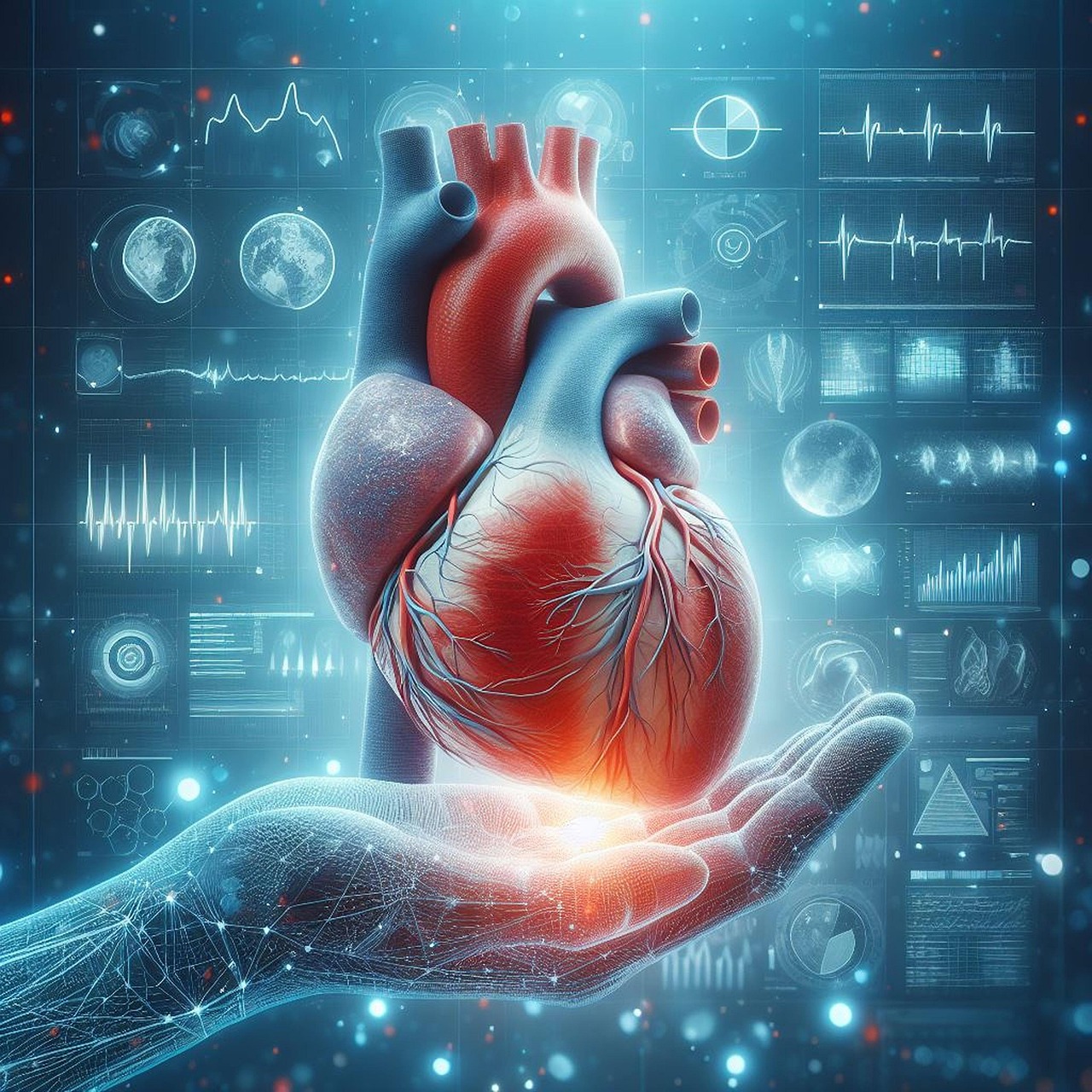

Overcoming Plateaus in Cardiovascular Performance
When engaging in cardiovascular training, many individuals eventually encounter performance plateaus. These plateaus can cause frustration and lead to diminished motivation. To overcome such challenges, it’s crucial to adapt workouts strategically. First, assess your current training regimen critically. Are you pushing your limits regularly? Consider diversifying your cardio exercises to prevent monotony and stimulate the body effectively. Incorporating various forms of training can activate different muscle groups and enhance overall endurance. For instance, alternating between running, cycling, and swimming may yield significant performance gains. Furthermore, pay attention to recovery periods. Adequate rest allows muscles to rebuild and strengthen, promoting continuous improvement. Consider integrating interval training techniques to enhance cardiovascular capacity. Intense bursts of activity followed by short recovery periods can maximize your training potential. Such methods challenge the heart and lungs, promoting improved efficiency. Tracking your progress meticulously can also help identify patterns and areas for improvement. Documenting durations, distances, and feelings during workouts enhances awareness. Finally, ensure you’re maintaining proper nutrition to fuel your body for optimal performance. Proper hydration and balanced meals play vital roles in overall cardiovascular health.
Diverse Training Techniques
Incorporating diverse training techniques is essential for overcoming cardio performance plateaus. Varying your approach to cardiovascular workouts can stimulate different muscle groups and keep training sessions engaging. One effective strategy is to implement interval training. This involves alternating high-intensity bursts of exercise with lower-intensity intervals. For example, try sprinting for 30 seconds, followed by a minute of walking or slow jogging. This not only enhances endurance but also increases metabolic rate. Another technique is tempo training, which involves maintaining a steady pace that is slightly challenging. Performing workouts at a consistent tempo builds stamina and mental toughness. You might also explore cross-training methods like swimming or cycling. These alternatives provide unique challenges that assist in muscle recovery while improving aerobic capacity. Incorporating hill workouts can also push your limits by adding resistance to your routine. By shifting your focus to these various techniques, you engage your body differently, ensuring continuous improvement and avoiding stagnant performance. Aim to include one new training technique each week to keep your regimen fresh and motivating. Remember to monitor how your body responds to these changes, allowing adjustments as needed to optimize outcomes.
In addition to diverse training techniques, tracking your performance can be instrumental in overcoming plateaus. Utilizing fitness tracking devices can provide valuable data on heart rate, distance, and pace. Analyzing this information can reveal patterns in your performance, allowing for strategic adjustments to your training plan. If you notice stagnation in your results, consider modifying your workout routines or intensities. Setting specific, measurable goals is equally vital. Instead of focusing solely on endurance, aim for time-based or distance-specific targets. Aiming for tangible goals makes progress quantifiable, fueling motivation. Incorporating fitness assessments regularly, such as timed runs or endurance tests, can also help benchmark your improvements. You can assess whether you’re progressing over time or if your workout needs a change. Make gradual adjustments to ensure consistent growth. As performance in cardio training requires commitment, find ways to stay motivated. Group classes or training with a partner can provide accountability and encouragement. Frequent changes to your goals can also keep excitement alive in your cardio workouts. By staying engaged in your progress, you can effectively counteract plateaus and boost your cardiovascular performance significantly.
Nutritional Support for Cardio Training
Nutrition plays a pivotal role in maximizing cardiovascular performance. To achieve optimal results, focus on consuming nutrient-dense foods that support endurance and recovery. A well-balanced diet should incorporate carbohydrates, proteins, and healthy fats. Carbohydrates are the primary source of energy during endurance workouts. Selecting complex carbohydrates like whole grains, fruits, and vegetables will provide sustained energy levels. It’s also essential to include protein in your diet to facilitate muscle recovery after intense workout sessions. Lean meats, fish, and plant-based options such as legumes and nuts are excellent choices. Healthy fats, like avocados and olive oil, additionally provide energy and support cellular function. Hydration is equally crucial. During workouts, ensure that you drink sufficient water to maintain optimal hydration levels. For longer sessions, consider incorporating electrolyte-replenishing drinks to combat fatigue. Pre- and post-workout meals significantly impact performance and recovery. Consuming a meal rich in carbohydrates and protein before exercise may enhance energy levels. Similarly, replenishing with a post-workout snack helps accelerate recovery, aiding continuous improvement in cardio training. Paying close attention to nutritional habits allows for optimal cardiovascular outcomes.
Additionally, understanding the timing and composition of your meals can further improve cardiovascular performance. Nutritionists advise consuming a balanced meal two to three hours before exercising. This allows your body ample time to digest and convert the food into energy. Focus on including a blend of complex carbohydrates and lean proteins during these meals. If you need a snack an hour before your workout, consider options like banana with almond butter or a handful of trail mix. Post-exercise, aim to eat within 30 minutes to replenish energy stores. A well-rounded recovery meal might include a smoothie with whey protein, fruit, and spinach. While hydration is vital, consider monitoring your fluid intake around workouts. Dehydration can negatively impact performance. Experiment with various hydration strategies during training sessions to determine what works best for your body. Consuming realistic amounts of water during workouts can help maintain energy levels. Furthermore, mindful eating practices foster better awareness of hunger cues, ensuring your body receives the nutrients it needs. Being intentional with food choices and timing will greatly benefit your overall training, enhancing cardiovascular results.
Mindset and Motivation
The psychological aspect of overcoming plateaus in cardiovascular training should not be underestimated. Developing a strong mindset can greatly influence performance outcomes and create resilience during challenging periods. Positivity plays a crucial role; nurturing a growth mindset can shift your focus to improvement and growth. Build self-confidence by recognizing small achievements during workouts, offering motivation to persevere. Setting attainable and progressive goals can keep you focused and foster determination. Visualization techniques may also boost athletes’ mental preparedness. Imagining yourself achieving a specific performance level can enhance motivation during training. Furthermore, finding joy in cardiovascular exercises makes a significant difference. Choose activities that you enjoy rather than forcing yourself into rigorous routines. Include fun workouts like dance, hiking, or recreational sports to keep excitement alive. Surround yourself with supportive individuals who share similar fitness goals, fostering a sense of community and encouragement. Listening to uplifting music or podcasts during workouts can enhance enjoyment and create a more positive atmosphere. Ultimately, maintaining a strong mindset and positive approach dramatically influences overall cardiovascular performance. A dedicated and motivational mindset empowers consistent training and transcends barriers to success.
Lastly, recovery strategies are crucial for successfully overcoming plateaus in cardiovascular performance. Proper recovery allows the body to restore muscle function and prepare for future workouts. Incorporate rest days into your regimen, ensuring adequate downtime each week. Overtraining can lead to fatigue and diminished performance, so listen to your body and allow it to rest when needed. Active recovery methods such as gentle yoga or stretching can also aid muscle recovery. Additionally, consider incorporating foam rolling and massage techniques to alleviate muscle tension. Pay attention to sleep quality as well, ensuring that you achieve sufficient restorative sleep nightly. Sleep is pivotal for recovery, enhancing overall physical performance and mental clarity. Utilize relaxation techniques like deep breathing exercises to reduce stress levels, further supporting recovery efforts. Having a varied and engaging workout routine contributes to overall excitement, preventing mental burnout. Adjusting training intensity periodically allows you to remain engaged and motivated. By emphasizing proper recovery practices and allowing for variability in your routine, you’re more likely to experience sustained progress in your cardiovascular training. Through these strategies, you can effectively overcome performance plateaus and elevate your cardiovascular performance successfully.