
Myths About Wheelchair Users and Fitness — What You Should Know
Many people mistakenly believe that wheelchair users cannot engage in fitness activities. This myth is deeply rooted in stereotypes that depict individuals with disabilities as unable to participate in regular exercise. However, this assumption could not be further from the truth. Wheelchair users often have access to various adaptive fitness programs designed to cater to their specific needs. These programs can include strength training, adaptive sports, aerobics, and even yoga. Adaptive fitness champions inclusivity, promoting that everyone, regardless of ability, can pursue physical activity. Realizing this helps eliminate barriers and stigmas around disability and exercise.
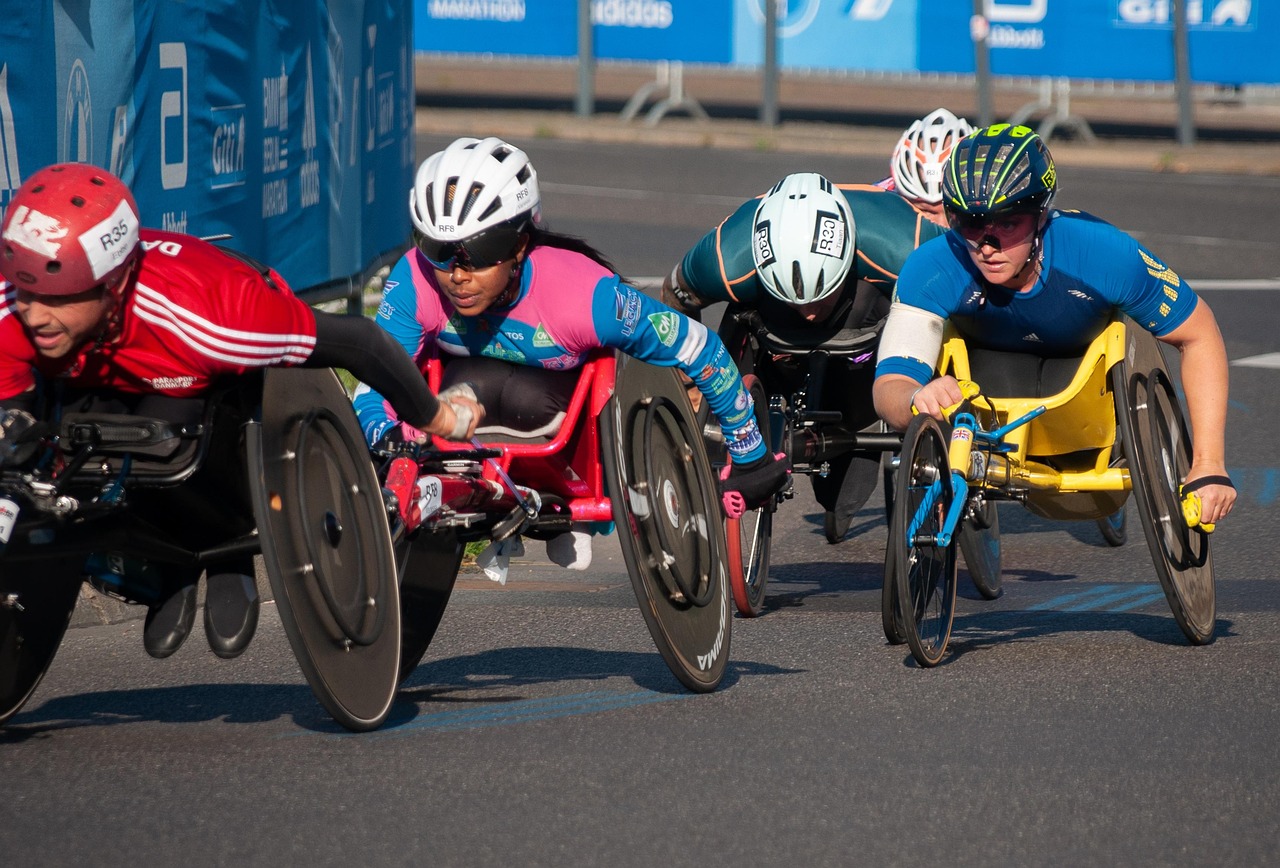
Another widespread myth is that wheelchair users cannot achieve any significant fitness goals. Many think that limited mobility equates to limited potential for health and wellness. This false belief disregards countless examples of individuals who have not only set but achieved remarkable fitness goals. Stories abound of wheelchair athletes winning medals in competitive sports or individuals who have transformed their health through personalized exercise regimens. Wheelchair fitness includes modified strength training and cardiovascular workouts, which can significantly enhance overall well-being, boost morale, and improve quality of life. Adaptive fitness is proving that adaptive does not mean lesser.
Some people believe that wheelchair users require elaborate gym setups to maintain a fitness routine. While some adaptive equipment can enhance workouts, people must realize that many exercises can be performed with minimal to no equipment. Simple movements using body weight can be effective for building strength and flexibility. For instance, push-ups, resistance bands, and wheelchair-friendly exercises using everyday items can yield fantastic results. With creativity and proper guidance, individuals can harness their environment to achieve fitness goals. This accessibility helps demystify the gym experience and emphasizes that everyone, regardless of their mobility status, can engage in effective workouts.
Overcoming Fitness Barriers
A common misconception is that wheelchair users cannot participate in social activities involving fitness, such as group classes or team sports. This misunderstanding overlooks the vibrant community of adaptive sports and fitness groups actively promoting inclusivity. Many organizations provide opportunities for wheelchair athletes to engage in various sports, fostering teamwork, comradery, and social interaction. Activities like wheelchair basketball, rugby, and dance classes enable individuals to not only improve their physical health but also connect socially with others who share similar experiences. These opportunities show that fitness is as much about community and connection as it is about individual achievement.
There’s a prevalent myth that individuals with mobility impairments can’t enjoy outdoor activities. Many believe that adaptations or modifications are too complicated or unachievable. In actuality, there exists a broad range of adaptive outdoor recreational options available today, tailored for wheelchair users. Activities like adaptive cycling, kayaking, and hiking with specialized equipment make it possible for everyone, regardless of their mobility level, to enjoy the benefits of outdoor fitness. These activities not only build physical strength but also contribute significantly to mental health and emotional well-being by fostering a sense of freedom and adventure.
Some assume that wheelchair fitness is synonymous with rehabilitation, which is only partially true. While many exercises may indeed help with rehabilitation, adaptive fitness can and should be approached more as a method of maintaining health over a lifetime rather than simply recovering from injury or illness. It can include a diverse range of workouts focused on improving endurance, strength, flexibility, and even balance. This belief encourages wheelchair users to adopt proactive fitness habits that accrue benefits over time, helping them lead healthier lives. The focus should shift towards lifelong fitness rather than recovery alone.
Importance of Personalized Fitness Plans
Another misconception is that all wheelchair users need the same type of fitness plan. Fitness is not one-size-fits-all, regardless of ability. Each user has unique challenges and strengths, so personalizing fitness programs is crucial. A well-rounded plan considers individual interests, goals, current fitness levels, and any health conditions. Collaborating with trained professionals in adaptive fitness can create tailored regimens that enhance engagement and efficacy. Expert guidance ensures that workouts are both safe and challenging, allowing individuals to see tangible results, ensuring they enjoy their fitness journey.
Finally, a pervasive myth is that wheelchair users do not enjoy physical activity as much as able-bodied individuals. This idea underestimates the passion and dedication people with disabilities exhibit while pursuing fitness. Many wheelchair users passionately engage in sports and physical activities, pushing their limits and inspiring others. The enjoyment derived from participating in fitness is universal, transcending ability. Recognizing this passion can inspire society to re-evaluate preconceived notions and foster a more inclusive environment within fitness communities. By celebrating the diverse experiences of wheelchair users, we can collectively work towards promoting inclusivity and accessibility in all physical pursuits.