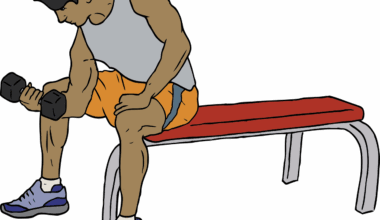

Injury Prevention Tips During Muscle Gain Programs
Muscle gain challenges can be incredibly rewarding, yet they also pose a risk for injuries if proper precautions are not taken. Therefore, it’s essential to prioritize injury prevention as part of your program. Start by focusing on proper technique during all exercises. Utilizing correct form not only optimizes muscle activation but also helps avoid stress on joints and muscles, significantly lowering the chance of injury. Additionally, introducing adequate warm-up routines is vital; a dynamic warm-up prepares the body for the upcoming strain. Post-workout stretching further complements your regimen as it promotes flexibility, thus reducing the chance of strains. Moreover, listen to your body. If you are enduring persistent pain or discomfort, reassess your routine. Incorporate rest days into your workout schedule to allow muscles and joints ample time to recover. Furthermore, integrating balance and stability exercises can enhance your overall performance and reduce injury risks. Wear appropriate footwear that provides adequate support, as improper shoes can lead to various issues. Lastly, staying hydrated is crucial. Dehydration can lead to muscle cramps and fatigue, ultimately increasing the likelihood of injury.
Focus on Nutrition for Safe Muscle Growth
Nutrition plays an essential role in any muscle gain challenge. Adequate nutrition is pivotal not only for muscle growth but also for injury prevention. Optimizing your protein intake is necessary. Aim for lean proteins like chicken, turkey, fish, and legumes to facilitate muscle repair. Carbohydrates equally contribute to fueling workouts; therefore, including whole grains, fruits, and vegetables in your diet supports sustained energy levels. Moreover, essential fats from sources like avocados and nuts help support joint health as well. Stay mindful of your micronutrient intake as well; vitamins and minerals like calcium and vitamin D play a vital role in bone strength. Hydration cannot be overlooked; drinking sufficient water throughout the day assists in maintaining muscle function and recovery. Consider using nutrition timing to optimize your results; consuming protein and carbs around workouts will support muscle repair and energy replenishment. Also, diversifying your meals ensures that you meet various nutritional needs. An insufficient diet can lead to fatigue and potential injuries, making nutrition a cornerstone of a safe and effective muscle gain program. Regularly consult a nutritionist for personalized dietary advice based on your specific goals.
Rest and Recovery: Integral to Muscle Gain
Rest and recovery are critical components that should never be underestimated in a muscle gain challenge. Adequate rest supports muscle repair and allows for growth. Insufficient recovery time can lead to overtraining, increasing the risk for injuries. Listen to your body’s signals — prolonged soreness or fatigue is a red flag. Aim to incorporate at least one to two rest days each week, integrated into your workout program. Additionally, consider implementing active recovery techniques such as yoga or light cardio; these keep muscles engaged while promoting blood circulation. Focus on getting quality sleep as well, as this is when your body repairs itself the most. Strive for 7 to 9 hours of sleep each night, coupled with consistent sleep patterns for maximal recovery. Compression garments and foam rolling can benefit muscle recovery too. These techniques enhance blood circulation and relieve muscle tightness, further decreasing injury chances. Lastly, maintaining a balanced workout schedule, combining strength training with cardiovascular activity, can significantly reduce stress on the body. Prioritizing rest and recovery will not only improve performance but is vital for long-term adherence to muscle gain goals.
Implement Gradual Progression in Training
Gradual progression is fundamental when engaging in a muscle gain challenge. Pushing too hard too quickly is a common mistake that can lead to injuries, which are counterproductive to any muscle-gaining goals. Start by evaluating your current strength level and create a realistic plan to gradually increase weights, repetitions, or intensity. Incremental increases are essential. Avoid the temptation to lift heavier weights if your form begins to deteriorate. Instead, focus on mastering each exercise before transitioning to more challenging variants. Pay attention to the 10% rule: aim to increase your training volume (weight, sets, or repetitions) by no more than 10% per week. This approach allows your muscles and joints the necessary time to adapt. Additionally, focus on varying your exercises routinely to target all muscle groups while preventing overuse injuries. Adjust your routine every few weeks, introducing new exercises or changing your sets and repetitions. Emphasizing the importance of gradual progression will enhance your strength and reduce the likelihood of injury significantly. Caution and patience are indeed your best allies in achieving your muscle gain objectives.
Equipment Maintenance: Ensure Safety and Effectiveness
Proper equipment maintenance is an often-overlooked aspect that significantly contributes to safety during muscle gain challenges. Regularly check all your gear, whether weights, machines, or mats. Inspect them for signs of wear or damage, as faulty equipment can lead to serious injuries. Keep workout spaces clutter-free and organized, mitigating the risk of accidents. Personal equipment should be adjusted according to your specifications to ensure optimal performance. Seek assistance when using machines for the first time to understand functionality and safety features. Additionally, using the right equipment for the specific muscle group you are training is essential for effective results. For instance, utilize compound movements for comprehensive strength training and isolating exercises to target specific muscles. Always adjust weight plates to the appropriate levels, ensuring stability throughout exercises. Be advised to use assistance devices, like a lifting belt, especially when performing heavy lifts. Education on proper equipment use cannot be underestimated; consider instructional videos or personal trainers to build your understanding. This foundational knowledge of equipment safety ensures not just your progress but also your injury-free success in any muscle gain program.
Mindfulness and Injury Awareness
Mental focus is vital during muscle gain challenges, and cultivating mindfulness can significantly reduce injury risks. Being present and aware of your body during workouts allows you to recognize discomfort or pain immediately and respond appropriately. This practice helps you stay attuned to your limits, thereby preventing overextension. Consider incorporating techniques such as visualization or breath control to enhance focus. Moreover, implementing mental breaks during workouts can prevent mental fatigue, which is often overlooked. Stagnated focus can lead to errors in exercise execution, paving the way for injuries. Take momentary pauses to assess your form, breathing patterns, and overall feelings. You may also reflect on what parts of the workout feel challenging or easy; this awareness allows you to gauge adjustments needed. Setting realistic goals supports this mindfulness approach too; frustratingly unattainable objectives can lead to mentally pushed boundaries and injuries. Keep track of workout performance via journals or apps; this helps foster reflection on both mental and physical progress. Regular self-assessment nurtures both injury awareness and overall mental health as essential components of a sustainable muscle gain program.
Conclusion: Injury Prevention is Key to Success
In concluding this comprehensive look at injury prevention during muscle gain programs, it becomes apparent that prioritizing safety is crucial. Without a consistent focus on injury prevention, the goals of increased strength and muscle mass may face daunting setbacks. Essential practices include adopting proper techniques, balanced nutrition, comprehensive rest, and gradual progression in your workouts. Being mindful and aware of your body’s signals will safeguard against overtraining and injury occurrences. Proper equipment maintenance and safe use further establish an injury-free training environment, while mental focus enhances overall performance. As you embark on your muscle gain challenge, ensure that these injury prevention tips become integral parts of your routine. Remember, successful muscle gain is not just about hard work; it is about smart work. Create a sustainable approach that recognizes the importance of the body’s limits, balancing ambition with safety for long-term success. Should you require further assistance or specialized advice, consider consulting fitness professionals. Ultimately, investing attention into injury prevention pays off, showcasing remarkable sustained gains and empowering you along your fitness journey.