
Hydration and Nutrition: The Perfect Pre-Event Combo
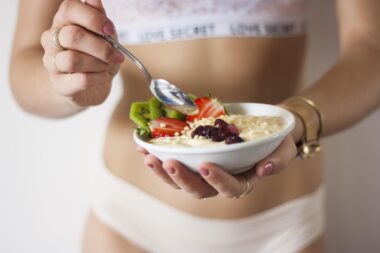
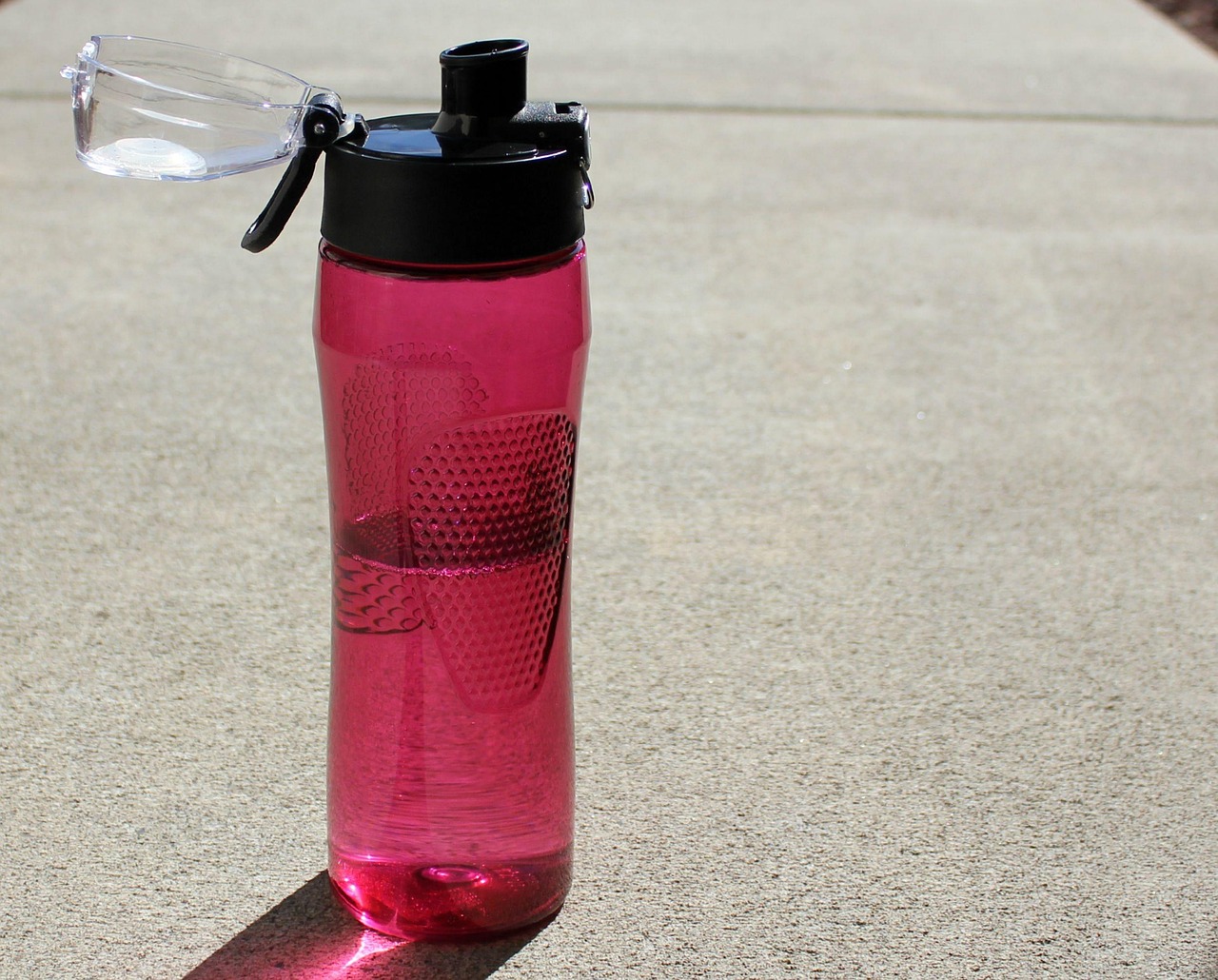
When preparing for an athletic event, hydration and nutrition play crucial roles. Proper hydration ensures that the body functions optimally, especially during physical exertion. The ideal time to hydrate is well before the event begins, typically about two hours prior. This allows the body to absorb water and electrolytes. Alongside hydration, nutrition provides the necessary energy to perform at peak levels. Focus on foods rich in carbohydrates, which can help fuel performance and endurance. Examples of such foods include bananas, oatmeal, and energy bars. It’s also essential to consume a balance of proteins and fats to support overall health. Consuming low-fiber foods prior to the event can help avoid gastrointestinal discomfort. Remember, every individual may respond differently to foods, thus testing your choices during training is advisable. Monitor how your body reacts to specific meals, adjusting as needed to optimize performance and feel your best. Stay consistent in your nutrition plan leading up to the event. This focus will enhance both your physical readiness and mental confidence on the event day.
Hydration and energy gels are often recommended for quick refueling during endurance events. These products are designed to provide a rapid source of energy without causing stomach upset. However, they should not replace solid foods entirely. Consuming a well-balanced meal roughly 3-4 hours before the event allows your body time to digest and utilize the nutrients effectively. Foods with high glycemic indices, such as white bread or sports drinks, can be beneficial closer to event time. They provide immediate energy but should be part of a broader nutritional strategy. It’s essential to test these strategies during training sessions to see how your body responds. Before hydration, consider incorporating electrolytes into your routine, especially in hot conditions when sweating intensifies. Additionally, avoid trying new foods or drinks on event day to minimize unwanted gastrointestinal issues. To optimize performance, consult with a sports nutritionist for tailored advice. Throughout your preparation, remember to assess how different foods and hydration levels affect your energy and endurance, adjusting as necessary for personal best outcomes.
Timing Your Nutrition
The timing of your meals and hydration is critical in any pre-event strategy. Ideally, focus on consuming a moderate meal 3-4 hours before an event. This meal should be rich in carbohydrates, moderate in proteins, and low in fats. An excellent option might be whole-grain pasta with lean chicken and some vegetables. This composition will provide sustained energy. After completing your pre-event meal, monitor your hydration levels closely. Drinking small amounts of water can help avoid any feelings of bloating that may hinder performance. Closer to the event, around 30-60 minutes beforehand, consider snacking on simple carbohydrates. A piece of fruit or a small energy bar can top off energy reserves without overwhelming the digestive system. However, personal preferences do apply here; it’s recommended to trial your meal and snack combinations during training sessions before utilizing them in competitions. Adjust your intake based on how your body feels to find the ideal balance that ensures energy without compromising comfort.
Post-event recovery is as important as pre-event preparation. After completing strenuous activity, your body needs to replenish lost fluids and nutrients. Begin hydration immediately after an event with water and electrolyte drinks. Aim to consume approximately 1.5 liters of fluid for every kilogram of body weight lost, ensuring optimal recovery. Following hydration, focus on a well-balanced meal that incorporates proteins, healthy fats, and carbohydrates. This can include options such as grilled salmon with quinoa and steamed vegetables. Such meals not only replenish energy but also help repair muscle tissue that may have suffered during the event. The first hour post-exercise is a key window for nutrient intake, so make sure you eat accordingly. Monitor how your choices influence your recovery process and adapt your strategy for future events. Understanding proper post-event nutrition is essential to maintaining peak performance levels and preparing for subsequent competitions. Adjust your plans based on individual preferences, and remember to listen to what works best for your body during recovery.
Considering Individual Needs
Every athlete has unique hydration and nutritional needs, which is why it’s important to personalize your pre-event routine. Factors like body weight, activity level, and climate can influence how much and what you should consume before an event. For instance, heavier athletes may require more caloric intake to maintain energy levels, while lighter athletes may benefit from smaller yet frequent meals. Additionally, some might find that consuming high-fiber or high-fat meals close to an event can lead to discomfort. As you prepare for your event, tailor your diet based on consistent results from training sessions. This will ensure you’re familiar with what works well for your performance and energy levels. Regularly testing your strategies during practice, including hydration and nutrition, can reveal valuable insights. Learn to trust your body’s feedback and adjust accordingly to find your ideal pre-event formula. Documenting your experiences can aid this process, leading to enhanced performance tailored to your biological requirements and capabilities in competitive situations.
During the days leading up to an event, focus on hydration patterns and maintain good nutrition habits. Avoid drastic changes to your diet that might confuse your body. Gradually scale up carbohydrate intake, commonly referred to as ‘carb loading,’ if you’re participating in endurance events. This technique fills the muscles with glycogen, providing a significant energy reserve. Also, mindful of hydration, create a balanced routine that includes both water and electrolyte-rich drinks leading up to the event. Pay attention to cues from your body regarding thirst and fatigue. On the day before the event, aim to get plenty of rest and relax your body and mind. Staying well-rested helps optimize performance when it’s time to compete. Engage in light training and mental preparation, reducing nervousness before the big day. Sufficient sleep can enhance recovery and mood, further influencing your optimal hydration and nutrition plan. Upon implementing these strategies, you’ll maximize your chances for an exceptional performance on event day with a well-rounded pre-event nutrition plan.
Final Thoughts on Pre-Event Nutrition
Creating the perfect pre-event nutrition and hydration plan takes time and experimentation. It’s crucial to find the right balance of nutrients that work best for your body and energy needs. Consult with dietary professionals when possible, as they can provide tailored assistance. Among their tips may include meal prepping to ensure you have readily available nutrition options. Utilize simple, easy-to-digest foods that can still provide powerful energy. For best results, write down what works for you and what doesn’t. Tracking not only builds understanding but also helps avoid future mistakes. The importance of being mentally prepared can’t be overlooked; it complements physical readiness. Ensure you visualize your success as you finalize preparations. On the day of the event, eliminate distractions and focus on your hydration and nourishment plan. Follow through with your well-crafted strategy and adjust reflexively based on your body’s signals. Ultimately, mastering your pre-event nutrition will lead to improved performance, reduced anxiety, and potentially achieving your personal best during competitive events.
Overall, a strategic approach to hydration and nutrition is vital in preparing for any athletic performance. Understanding simple guidelines on when and what to eat can significantly influence your overall experience. Each athlete’s journey is distinctive, and developing a personal framework that serves your individual goals is essential. Start implementing these tips in your regular training to see how they influence your performance. As you learn what nourishes your body best, you’ll be able to approach your events with confidence and clarity, ensuring that you are ready and energized. Good luck with your future endeavors and enjoy every moment! Remember to stay focused, train hard, and drink plenty of fluids while refining your nutrition strategy to achieve optimal success in every sport you love!