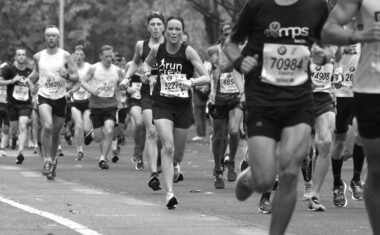

Hydration Strategies for Endurance Running
For endurance runners participating in multi-day events, staying properly hydrated is essential. It is advised to start hydrating well before the event; hydration should occur in the days leading up to the race. Water consumption should be steady, aiming for at least two to three liters daily. Additionally, incorporating electrolyte drinks can help maintain sodium and potassium levels crucial for endurance performance. During the event, runners should consume fluids at regular intervals, ideally every 15 to 20 minutes, to replace lost fluids effectively. This prevents dehydration, fatigue, or diminished performance. A mixture of water and electrolyte solutions is often more effective than water alone, especially in prolonged activities. A good strategy is to use a hydration pack or handheld bottle for accessibility. Post-exercise hydration is just as vital; consuming a protein-electrolyte drink post-event can kickstart recovery. Keeping track of your body weight before and after long runs helps gauge hydration needs. Building a hydration plan tailored to your needs could dramatically improve your endurance experience. Always listen to your body and adjust your intake based on weather conditions and exertion levels.
Nutrition Strategies for Long-Distance Events
Nutrition during endurance events is as critical as hydration for performance optimization. Pre-event, runners should focus on carbohydrate loading to maximize glycogen stores. Foods high in complex carbohydrates such as pasta, rice, and whole grains should dominate the diet days leading up to the event. It is also important to include low-fiber options to avoid gastrointestinal discomfort during racing. During the event, easy-to-digest foods can provide the necessary fuels such as energy gels, chews, or bars designed specifically for endurance runners. These items offer the convenience of calorie boosts without hefty digestion burdens. Aim to consume 30-60 grams of carbohydrates per hour, as research suggests this is optimal for endurance performance. Post-exercise, protein intake becomes crucial for recovery, aiming for about 20 to 30 grams of protein within 30 minutes post-race. Incorporating sources like lean meats, dairy, or plant-based proteins can help. Additionally, don’t overlook antioxidants in fruits and veggies, which can assist with recovery. It’s wise to experiment with different foods and timing during training sessions to identify what will work best on race day.
Balancing Electrolytes
Maintaining proper electrolyte balance during multi-day endurance events aids in preventing cramping and fatigue. Sodium, potassium, magnesium, and calcium are vital electrolytes that contribute to muscle function and hydration status. Electrolyte losses vary among individuals; thus, personalized hydration strategies are essential. Routine sweat tests can offer insight into your unique losses, helping tailor electrolyte ingestion during the event. Incorporating electrolyte-rich foods, such as bananas and pretzels, before the race is another ideal strategy. Sports drinks formulated with electrolytes are typically useful during races and help enhance taste, encouraging more significant fluid intake. However, one must read labels to understand the sugar and calorie content to avoid excessive intake. Additionally, during the race, consider electrolyte tablets or powders added to water for convenience without the extra calories. Using these products can ensure you’re getting adequate electrolytes while maintaining your energy levels. Tune into signs of electrolyte imbalances, including dizziness, headaches, or muscle cramps, which indicate future adjustments are necessary. Each runner’s strategy will likely evolve, requiring adaptation and lessons learned from each event.
Rest and recovery meals play a considerable role in multi-day endurance events. It’s crucial to have a structured nutrition plan that focuses on replenishing energy stores post-activity. Consuming a balanced combination of carbohydrates and protein post-exercise starts the recovery process effectively. Aim for a 3:1 or 4:1 ratio of carbohydrates to protein; this emphasizes quick replenishment of glycogen stores after a strenuous effort. Foods like chocolate milk or smoothies with fruits can act as a delicious yet efficient recovery meal. In addition, consuming omega-3 rich foods, like walnuts or fish, aids in reducing inflammation related to prolonged exertion. Regular meals should feature lean proteins coupled with complex carbohydrates throughout the day to maintain performance. Meal timing is critical; plan to eat within 30 minutes after workouts and continue this pattern consistently. Ignoring nutrition during recovery can lead to sluggishness and prolonged fatigue, impacting subsequent performances in successive days of an event. Implementing a meal prep strategy before the event reduces the likelihood of poor food choices while on the course, allowing runners to abide by their nutrition strategies easily.
Mindful Eating During Events
Practicing mindful eating during multi-day endurance events is essential for maintaining energy levels and mental focus. Pay attention to hunger cues and body signals instead of strictly adhering to urgent timelines. Understanding hunger signals can prevent overeating or undereating, both of which can derail performance. It’s crucial to maintain a food log during training for identifying ideal foods and portions that allow you to feel your best. During the event, establish a routine for eating; however, flexibility can be advantageous if unexpected situations arise. Purposefully choosing enjoyable foods can cultivate psychological satisfaction, making race experiences more enjoyable. Practice specific feeding habits during training to pave the way for the event. Eating while running takes practice, and different methods, such as gels or solid foods, can provide diverse experiences. Test various temperatures and food consistencies during long training runs to predict which will work best on race day. Balancing the values of nutrition and satisfaction in food choices helps stave off mental fatigue, ultimately promoting positive energy levels and successful event outcomes.
During multi-day endurance events, recovery strategies play a fundamental role in athletes’ overall performance. After each day’s effort, prioritizing sleep and hydration will facilitate muscle recovery strategies. Post-race routines should include hydration and well-balanced meals rich with healthy fats, proteins, and carbohydrates. Techniques such as foam rolling and stretching can alleviate post-exercise muscle soreness, minimizing the impact on subsequent performance efforts. Attend to the no-blame game of judgment in your training strategies; instead, monitor energy levels and ensure all aspects of your regimen are effectively working. If soreness persists, consider employing ice baths or contrast showers as part of your routine. Extra recovery modalities, including massage, can significantly reduce muscle tightness and improve blood flow, enhancing healing. Use nutrition also strategically as a recovery strategy; whole foods will aid in recovering much better than simple sugars that only deliver fleeting energy. Aim to develop active recovery practices, such as light jogging or swimming, on rest days to keep muscles engaged without straining them. Finally, staying mentally conditioned is vital; practice meditation or positive affirmations to buoy confidence through tough multi-day events.
Conclusion: Fueling Success in Endurance Running
In conclusion, executing appropriate hydration and nutrition strategies is crucial for success in multi-day endurance events. Balancing fluid intake with electrolyte management and strategically timing nutrient consumption guarantees peak performance and recovery. Always customize these strategies per individual preferences, conditions, and climate, as each runner’s requirements may differ significantly. Thorough testing during training can empower endurance athletes to discover optimal nutrition that works for their body, fueling endurance for every subsequent race day. Regular practice will make managing nutrition a seamless effort rather than a stressor on event day. Consider collaborating with sports nutrition professionals for personalized guidance that can enhance overall performance. Never discount the importance of recovery; recovery nutrition and rest periods are as important as the event itself, as they set the foundation for future workouts and running events. Lastly, enjoy the journey, celebrate achievements, learn from challenges, and always remain vigilant to adapt to evolving needs throughout. With diligence in hydration and nutrition, endurance runners can strive for even greater heights while enjoying the thrill of multi-day competitions. Embrace the beauty of challenges; the journey defines lasting success.
During multi-day endurance events, recovery strategies play a fundamental role in athletes’ overall performance. After each day’s effort, prioritizing sleep and hydration will facilitate muscle recovery strategies. Post-race routines should include hydration and well-balanced meals rich with healthy fats, proteins, and carbohydrates. Techniques such as foam rolling and stretching can alleviate post-exercise muscle soreness, minimizing the impact on subsequent performance efforts. Attend to the no-blame game of judgment in your training strategies; instead, monitor energy levels and ensure all aspects of your regimen are effectively working. If soreness persists, consider employing ice baths or contrast showers as part of your routine. Extra recovery modalities, including massage, can significantly reduce muscle tightness and improve blood flow, enhancing healing. Use nutrition also strategically as a recovery strategy; whole foods will aid in recovering much better than simple sugars that only deliver fleeting energy. Aim to develop active recovery practices, such as light jogging or swimming, on rest days to keep muscles engaged without straining them. Finally, staying mentally conditioned is vital; practice meditation or positive affirmations to buoy confidence through tough multi-day events.