
How to Prepare for a Cardiovascular Fitness Test
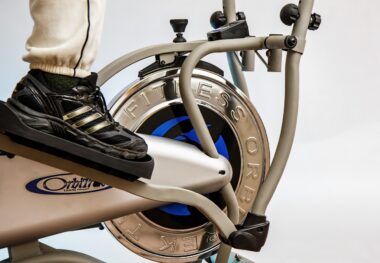
As you get ready for a cardiovascular fitness test, it’s essential to understand the demands of the test itself. Cardiovascular fitness tests assess your heart and lung function, determining endurance levels. These tests can include treadmill running, cycle ergometry, or step testing. To perform well, one should improve their cardiovascular health through various exercises. In the weeks leading to the test, ensure that your training focuses on aerobic activities. Incorporating activities like running, cycling, swimming, or brisk walking is beneficial. Additionally, consider adding interval training to your schedule for enhanced stamina. This involves alternating between high-intensity bursts and low-intensity recovery periods. Before the test day, familiarize yourself with the format of the test. Know the duration and the equipment needed, as this will reduce anxiety on the test day. Additionally, focus on nutrition and hydration. Proper fueling the day before can help optimize performance. Finally, ensure you rest adequately in the days leading up to the test. Rest plays a crucial role in allowing your body to recover and perform at its best during the assessment.
Warm-up routines can be vital when preparing for a cardiovascular fitness test, as they help your body transition into exercise. A proper warm-up increases blood flow to your muscles and elevates your heart rate gradually. Aim for a 5-10 minute warm-up that consists of dynamic stretching and light aerobic exercises. These can include arm circles, leg swings, and even a light jog. Dynamic stretches help improve flexibility and reduce the risk of injuries. Once your body is warmed up, practice pacing yourself during a shorter run or bike ride at an intensity similar to the test. This can help build both confidence and physical readiness. Also, consider adopting a structured training schedule leading up to your test. A training schedule helps break your training into manageable, progressive steps. Regularly assess your performance during practice sessions and adjust your training plan as needed. It can also be motivating to track improvements and set incremental goals. Listen to your body; if you feel fatigued or overworked, prioritize rest periods to reduce injury risk and promote optimal conditioning for the test.
Nutrition Before the Test
Your diet leading up to a cardiovascular fitness test can significantly influence your performance. Be mindful of your food choices, as what you consume fuels your body during exercise. Focus on balanced meals containing carbohydrates, proteins, and healthy fats. Carbohydrates are particularly essential, as they serve as the primary energy source during high-endurance activities. Aim to consume complex carbohydrates from whole grains, fruits, and vegetables. In the days before your test, avoid heavy meals that could weigh you down, opting instead for lighter, nutrient-dense meals. Hydration is equally crucial; ensure you’re adequately hydrated in the hours leading up to your test. Consider drinking water regularly, and avoid alcohol and caffeinated beverages close to the test. A good night’s sleep also helps, providing your body with recovery time and ensuring proper focus. On the test day, eat a light meal rich in carbohydrates about 1-2 hours prior. This meal could include oatmeal, a banana, or yogurt to keep your energy levels elevated. Remember, your body needs appropriate nourishment to perform optimally.
On the day of the cardiovascular fitness test, preparing both mentally and physically is vital. Start your day with a refreshing morning routine that includes an energizing breakfast and positive affirmations. Mental preparation can boost confidence and focus, helping you approach the test with a clear mindset. Visualize yourself performing well and staying committed throughout the test. Arrive at the test location early, allowing yourself time to acclimatize to the environment. Rising stress levels could hinder your performance; hence, a calm demeanor is essential. Include some light warm-up exercises to get your body ready and reduce anxiety. This calmness can also lower heart rate and blood pressure, which contributes to improved test results. Additionally, familiarize yourself with the testing procedures and equipment before starting. Knowing what to expect helps reduce uncertainty and nerves as well. Acknowledge that it’s normal to feel some anxiety; channeling this into focused determination can be beneficial. As you take the test, maintain your pace and monitor your body signals. Stay positive, and remember your preparation and hard work leading up to this day.
Post-Test Recovery
After completing the cardiovascular fitness test, don’t underestimate the importance of recovery. Recovery is a crucial component in helping your body recover and adapt to the stresses imposed during the test. Start with a cool-down period, dedicated to gradually lowering your heart rate. Engaging in light activity such as walking or gentle stretching following the test can prevent feelings of dizziness or fatigue. Post-test nutrition also contributes significantly to recovery. Within 30 minutes post-test, opt for a small meal or snack that includes both carbohydrates and proteins. This snack can consist of protein shakes, fruit, or energy bars to restore depleted energy levels. Adequate hydration is crucial during recovery; drink plenty of fluids to rehydrate your body. In the days following the test, allow your body time to recover; consider taking a rest day or engaging in low-intensity activities. Monitor how your body feels and adjust your physical activities accordingly. Reflect on your performance during the test as well, identifying areas for improvement and celebrating accomplishments before moving forward with your fitness journey.
Monitoring your progress after the cardiovascular fitness test can also guide future training decisions. Recording your results allows you to assess improvements and adjust your training accordingly. Tracking metrics such as heart rate, distance, or time helps you understand how your fitness level evolves over time. Considering joining a community or fitness group can provide valuable support and motivation. Sharing challenges and successes with others can help enhance your commitment to your fitness goals. Setting new objectives based on your test performance fosters continuous improvement and prevents stagnation. Incorporate variety in your workouts, such as different types of cardio, interval training, or strength training. This approach helps keep your training engaging and challenges your body in new ways, promoting better results. Additionally, schedule regular assessments to evaluate progress accurately. Analyzing results over time can encourage you to tweak your program for better efficiency and effectiveness. Embrace every opportunity to learn and adapt for optimal cardiovascular fitness; perseverance is a key ingredient in your journey to improved health and fitness.
Conclusion and Future Goals
Preparing for a cardiovascular fitness test involves a combination of tailored training, nutrition, mental readiness, and recovery strategies. Each step plays a significant role in ensuring optimal performance on the test day and enhances your overall cardiovascular fitness. By understanding your personal fitness level and setting achievable goals, you can navigate your way to improved results. Keep refining your exercises based on test experiences, considering techniques that worked and those to improve. Focus on building a consistent workout routine that incorporates a variety of cardiovascular activities while also facilitating recovery. Long-term commitment and gradual progression toward increased cardiovascular fitness will yield positive results. Every step you take, whether through training, nutrition, or rest, contributes to a healthier and fitter you. Remember, setbacks can happen, but staying resilient in your approach allows for continued progress. Celebrate your achievements, no matter how small, and maintain a positive attitude towards future fitness tests. By harnessing the skills and knowledge gained, you’ll continue enhancing cardiovascular fitness, leading to a more active and fulfilling lifestyle.