
Planning Your Swim Meet
Organizing a successful swim meet requires thorough planning and preparation. First, establish clear goals for the event. Consider whether it’s a training meet or a competitive one. Next, secure your venue. A pool with the appropriate lanes and depth for competition is essential. Check availability and if needed, book the venue well in advance. After securing a location, create a budget. This will help identify any potential costs, including pool fees, officials, and equipment. Consider seeking sponsorship from local businesses to support the event. Finally, promote the meet to attract participants. Use social media, local swimming clubs, and school teams to spread the word. Make sure your promotions include registration details and deadlines to engage swimmers effectively. Careful planning ensures the event runs smoothly and participants enjoy their experience. Set aside sufficient time before the event for all preparations, allowing for any unforeseen circumstances that may arise. Pay attention to details like warm-up times and ensure that safety regulations are adhered to throughout the meet. Overall, effective planning is foundational to a successful swimming competition.
Another crucial aspect of organizing swim meets is understanding the rules and regulations surrounding competitions. Familiarize yourself with the guidelines set by governing bodies, such as FINA or your local swim federation. Importantly, ensure that all participants know the rules well in advance to avoid confusion during the meet. Providing competitors with a rulebook or an information packet can be helpful. Moreover, secure qualified officials for the event. Trained referees and timekeepers are necessary for accurate timing and fair judging. They help maintain the integrity of the competition and ensure everything runs smoothly. It’s wise to inform them about any unique rules or local modifications that might apply throughout the competition. Additionally, communicate transparently with coaches and participants about the agenda for the day. Timelines should include heat schedules, relays, and award ceremonies. Clear communication helps manage expectations and fosters a positive atmosphere during the event. Incorporate breaks and buffer times to accommodate any delays. Overall, having a solid grasp of regulations and effective communication can significantly enhance the experience for all involved in the swim meet.
Logistics and Setup
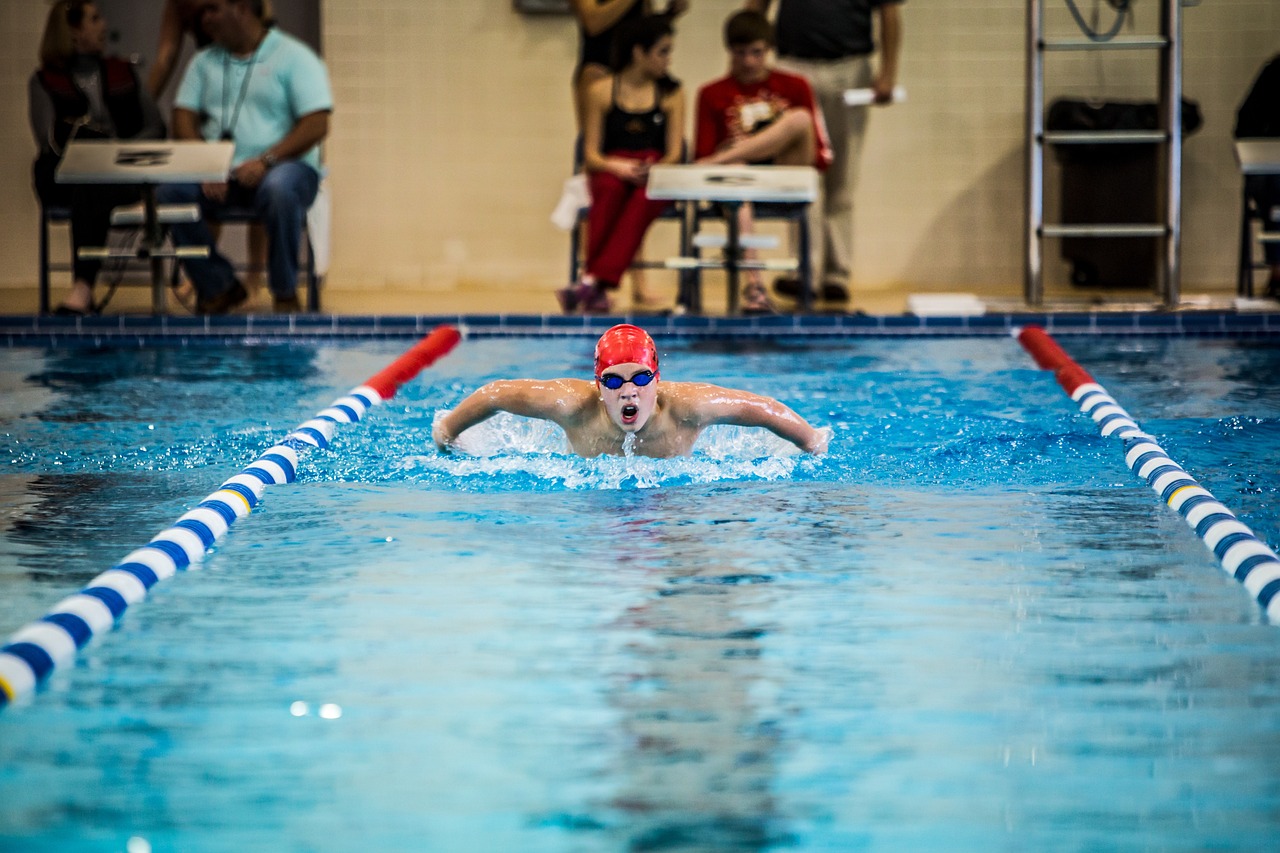
When organizing a swim meet, logistics play a key role in its success. Start by determining the timeline for the event. Establish when to open the doors for participants and spectators, and when warm-up sessions should occur. Ensure that signage is clear, indicating where swimmers should go for registration and warm-ups. Setting up the competition area efficiently is also critical. Arrange chairs for spectators and ensure the pool is clearly marked for heats, including buoys and lane markers. Consider having a designated area for team tents and relaxation for swimmers between heats. This allows them to rest and prepare mentally for their upcoming races. Also, arrange for appropriate timing systems, either manual or electronic, along with the necessary displays for results. Having results posted promptly enhances the excitement of the meet and keeps everyone informed. Make sure to test all equipment the day before to prevent technical issues. Finally, coordinate with volunteers or staff to cover various roles such as registration, timers, and marshals to ensure that each aspect of the meet runs smoothly. This level of preparation ensures that logistics do not disrupt the event.
Safety is paramount during swim meets. Prioritize the well-being of all participants by ensuring lifeguards and medical personnel are present and ready to respond to emergencies. Prior to the event, conduct safety briefings with all staff members and volunteers. Emphasize the importance of enforcing the rules, such as prohibiting dives in non-start areas, which can prevent accidents. Additionally, provide clear emergency procedures to guide everyone in case of an unforeseen event. Establish a first-aid area stocked with necessary supplies. This signifies your commitment to the athletes’ safety and health during the competition. Moreover, discuss hydration strategies with coaches beforehand, and encourage athletes to drink water regularly throughout the meet. Outlining safety protocols helps to minimize risks, making the environment secure for all involved. It can be beneficial to share safety information with participants and their families during registration day. In preparation for the event, also inspect the pool area for hazards such as slippery surfaces or inadequate lighting. Regular checks ensure that every part of the swimming environment is safe, allowing athletes to focus on performance, resulting in a successful and enjoyable swim meet.
Engaging the Community
One of the primary goals of swim meets is to engage the community. Encouraging local involvement can create a vibrant atmosphere that fosters enthusiasm for the sport. Start by reaching out to local schools, swimming clubs, and community organizations, inviting them to participate. You can offer discounted entry fees or group registrations to attract more participants. Promoting the event through local media outlets can also generate buzz. Create engaging flyers and utilize social media platforms to showcase the event, highlight key participants, and share updates as the competition approaches. Additionally, consider organizing community events around the swim meet, such as family swims or swimming demonstrations. These events provide opportunities for families to bond and experience the sport firsthand. As the day of the swim meet approaches, involve volunteers from the community to assist with various tasks, such as setup, timing, and awards distribution. Engaging community members not only enhances the overall experience but builds a supportive network around local swimmers. Post-meet, share results and photos across platforms to recognize participants’ efforts while further strengthening local interest in swimming.
After the swim meet, it’s essential to evaluate its success and gather feedback for future improvement. Encourage participants, coaches, and volunteers to share constructive criticism about the event. Consider preparing formal surveys to capture their insights regarding organization, logistics, and overall experience. Collecting feedback will provide valuable information and demonstrate to participants that their opinions are valued. Additionally, review what worked well during the meet and identify areas needing improvement. Organizing a debriefing session with your planning team allows everyone to discuss key observations and lessons learned. This collaborative approach fosters a culture of continuous improvement in future swim meets. Celebrate successes too; recognize the hard work and dedication from all volunteers and sponsors. You might also consider creating a highlight reel or a follow-up article to share results and memorable moments from the competition. This can further engage the community and participants. Reflecting on the event will help in fine-tuning your planning process, leading to an even more successful swimming event next time. Ultimately, gathering feedback promotes growth and innovation in swim meet organization.
Conclusion
In conclusion, organizing swim meets involves thorough planning, effective communication, and community engagement to create a successful event. Understanding the rules, logistics, and safety protocols will facilitate smooth operations throughout the meet. By fostering a welcoming environment through community involvement, you’ll increase excitement and participation in swimming events. Gathering feedback post-event will help in improving future competitions and ensure a better experience for all involved. With each meet, consider what can be enhanced, and celebrate achievements along the way. Building positive experiences not only strengthens the community but also nurtures a love of swimming among participants. Remember that the purpose of swim meets is not only competitive but also about sharing the joy of swimming with the community. As you embark on organizing swim competitions, keep these principles in mind, ensuring that every swimmer leaves feeling valued and excited for their next event. A well-organized swim meet serves as a fantastic platform to promote swimming while encouraging excellence among athletes. Engage your community, focus on safety, and plan effectively, and you will set the stage for remarkable swimming competitions.