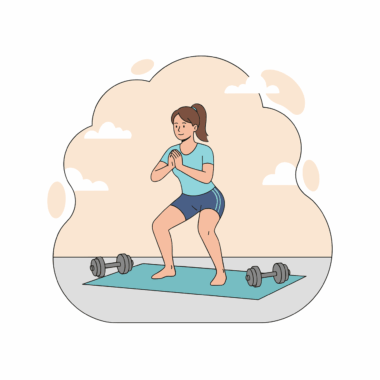

Functional Full Body Workout Challenge for Daily Life
Participating in a functional full body workout challenge provides immense benefits for individuals looking to enhance their daily performance. This type of workout is designed to improve overall fitness levels by replicating movements that are often performed in everyday activities. By engaging in this challenge, you can develop strength, flexibility, balance, and coordination. Each workout integrates compound exercises that target multiple muscle groups simultaneously, making it an efficient method for burning calories while increasing muscular endurance. One of the key advantages of functional training is its adaptability; it can be modified to suit all fitness levels, whether you’re a beginner or an advanced athlete. Focus on fundamental movements such as squats, lunges, push-ups, and rows to build a solid foundation. Incorporating variations and progressively increasing the challenge can help to continually engage the muscles. Additionally, you can use minimal equipment, such as resistance bands or dumbbells, making it an accessible option at home or in the gym. Embrace the functional full body workout challenge for an engaging experience and streamlined results that can positively transform your life.
As you embark on your functional full body workout challenge, understanding the importance of proper warm-up and recovery is paramount. A well-structured warm-up not only prepares your body for the upcoming exercises but also reduces the risk of injury. Begin with at least 5 to 10 minutes of light aerobic activity, such as jogging in place or jumping jacks, followed by dynamic stretching to activate the muscular system. Incorporating exercises that target major muscle groups will help to elevate your heart rate. After completing your workout, devote time to cooldown stretches to aid in muscle recovery and flexibility. Foam rolling can also be beneficial, as it improves circulation and alleviates muscle soreness. Proper hydration and nutrition play a significant role in your overall performance during the challenge. Fuel your body with nutritious foods rich in complex carbohydrates, proteins, and healthy fats. Staying hydrated before, during, and after your workout will ensure optimal performance. Tracking your progress throughout the challenge is vital; keep a journal to log your workouts, sets, and repetitions. This not only motivates you but also helps you adjust your regimen for continual improvement.
Core Exercises for Stability
A core workout is essential within the functional full body workout challenge, as a strong core provides stability for other exercises. Engaging in regular core training will enhance your balance and posture, benefiting everyday tasks and sports performance. Key exercises to incorporate include planks, Russian twists, and bicycle crunches. The plank is particularly effective; it engages multiple muscle groups while promoting endurance. Start with a basic plank position and apply variations, such as side planks or plank jacks, to intensify your workout. Russian twists challenge rotational strength and target the obliques, contributing to overall core development. Additionally, performing bicycle crunches targets both the upper and lower abdominal muscles. Aim for three sets of 15-20 repetitions for each exercise and focus on maintaining proper form. Gradually increase your repetitions or hold durations as your strength improves. Consider incorporating a stability ball or medicine ball to further enhance the challenge. Consistency is key; commit to core workouts at least two to three times per week to achieve significant results in stability, balance, and functional movements.
The benefits of a functional full body workout challenge extend beyond physical strength; mental gains are equally significant. Engaging in regular exercise releases endorphins, leading to improved mood and reduced stress levels. It also helps to boost your self-esteem as you observe progress over time. Cultivating a positive mindset during your workouts is essential for maintaining motivation. Set realistic goals, whether short-term achievements, such as maintaining proper form throughout sets, or long-term aspirations, like completing a full series of advanced exercises. Surround yourself with like-minded individuals, whether friends or fitness groups, to foster an encouraging environment. Participating in group workouts can make functional training more enjoyable and foster camaraderie. Engaging with an online community can also provide additional support and resources. Combatting negative self-talk is crucial; replace thoughts of self-doubt with affirmations and reminders of your accomplishments. Building mental resilience through challenging workouts can improve your ability to face everyday stressors. Remember to celebrate both small and significant achievements throughout your training journey, as every step taken brings you closer to your overall fitness goals.
Incorporating Cardio for Endurance
Integrating cardiovascular exercises into your functional full body workout challenge enhances your endurance and overall fitness. Cardio training not only improves heart health but also increases stamina, which is beneficial for everyday activities. Incorporate exercises like burpees, high knees, or mountain climbers alongside strength training for a balanced routine. Burpees combine strength and aerobic components, making it an excellent option for a full-body workout with a cardio component. Start with basic burpees, gradually incorporating variations such as lateral or tuck jumps to challenge yourself further. High knees elevate your heart rate while activating your core and lower body, allowing for improved agility. Mountain climbers combine multiple muscle groups, effectively working both the upper and lower body. Aim for intervals of 20-30 seconds of high-intensity cardio followed by a brief rest period. Tracking your progress can be motivating; consider using a fitness app to monitor your heart rate and endurance improvements. Gradually increase the intensity and duration of your cardio sessions while maintaining variety for sustained motivation and enjoyment throughout the challenge.
Furthermore, nutrition goes hand-in-hand with your functional full body workout challenge success. Consuming the right nutrients can significantly impact your performance and recovery. Adopting a balanced diet rich in fruits, vegetables, lean proteins, and whole grains provides your body with the essential nutrients needed for optimal performance. Meal prepping can be a useful strategy to ensure you stay on track with healthy options. Aim to consume a meal containing protein and carbohydrates within 30 minutes post-workout. This combination aids muscle recovery and replenishes energy levels. Hydration is equally important; drink plenty of water throughout the day, especially before and after workouts. Consider incorporating electrolyte-rich beverages if your training is particularly intense. Be mindful of portion sizes and avoid relying heavily on processed foods that may sabotage your efforts. Engage in mindful eating practices by paying attention to your body’s hunger cues. Staying consistent with your nutrition plan is crucial, as results come from both exercise and dietary dedication. Remember, healthy eating is a lifelong journey, and small changes can have a significant impact over time.
Conclusion and Next Steps
As you conclude your functional full body workout challenge, it’s important to reflect on your accomplishments and set future goals. Celebrate the progress you’ve made, whether through improved strength, endurance, or overall well-being. Consider documenting your achievements, creating a visual representation of your journey and inspiring yourself to continue pursuing fitness. After completing this challenge, assess how you can integrate the learned principles into your daily routine. Maintaining a consistent workout schedule will help to solidify the benefits you’ve gained. Be open to exploring new workout variations and movements that excite you. Joining group classes or seeking personal training sessions can also keep you motivated and accountable. By continuously challenging your body, you’ll avoid plateauing and keep the workouts engaging. Remember that fitness is a lifelong commitment; ongoing education about proper exercise techniques and nutrition will support your journey. Encourage others to join you in this fitness adventure, as having a workout partner can boost commitment and enjoyment. Ultimately, the functional full body workout challenge is just one of the many stepping stones on your path to holistic health.
Embracing a holistic approach to health alongside the challenge can elevate your overall lifestyle. Consider incorporating mindfulness practices such as yoga or meditation to complement your workouts. Engaging in these activities can enhance mental clarity and emotional resilience, providing balance to your fitness journey. Cultivating habits like prioritizing sleep and managing stress can significantly impact your physical performance. Aim for at least 7-9 hours of quality sleep each night, allowing your body to recover and repair from exercise. Stress management strategies, such as deep breathing exercises or journaling, can help maintain focus and determination. Reading fitness-related literature or following health-focused channels can also enhance your knowledge and maintain your enthusiasm. Performing regular strength assessments can track your improvements, while focusing on skills and movement efficiency ensures continued growth. As you progress, reevaluate your fitness goals to ensure they align with your evolving aspirations. Ultimately, the key to sustained success lies in adaptability and a commitment to lifelong learning in your fitness journey. Embrace the joy of movement and remain patient; fitness is not a destination but a continuous adventure filled with growth and achievements.