
Dynamic Vs. Static Mobility Drills: What Athletes Need to Know
When it comes to enhancing athletic performance, flexibility and mobility are critical components. Understanding the differences between dynamic and static mobility drills is essential for athletes. Dynamic drills involve movement and are performed to prepare the body for physical activity, while static drills are typically used to improve flexibility through stretching without movement. Incorporating both types of drills can lead to better overall athletic performance. Dynamic mobility drills tend to increase blood flow and activate muscles, enhancing joint motion and coordination. Meanwhile, static drills focus on lengthening muscle fibers and improving overall flexibility, which can reduce injury risk during training and competition. Athletes should consider their specific sport demands when choosing between these two types of drills. Those participating in high-intensity sports may favor dynamic drills, while those in sports requiring greater flexibility might benefit more from static alternatives. Regardless of the choice, including both types throughout a training program ensures optimal performance. The key is to find the right balance that caters to individual needs and performance goals. Regular practice of these mobility drills can result in greater agility, speed, and endurance for athletes in various disciplines.
Dynamic mobility drills prioritize active movements that mimic the motions of specific sports. They are typically incorporated during warm-ups and can serve as a transitional tool to prepare the body for intense physical activity. Examples of dynamic drills include high knees, leg swings, and walking lunges, promoting joint range of motion and functional movement patterns. These exercises can boost an athlete’s performance by activating the central nervous system and enhancing neuromuscular connections. As a result, athletes become better prepared for competition, as their bodies will respond more efficiently during their physical exertion. Dynamic drills can also promote mental readiness, which is crucial in competitive settings. Doing these drills regularly helps athletes develop muscle memory, allowing for improved execution when the game is on the line. It’s essential that athletes focus on form and maintain an appropriate intensity during these drills to maximize benefits. Additionally, these exercises should evolve as an athlete progresses, adjusting complexity and difficulty to match their growing skill level. Through commitment to dynamic drills, athletes can transform their physical capabilities, optimizing their strengths and addressing weaknesses effectively for enhanced performance.
The Importance of Static Mobility Drills
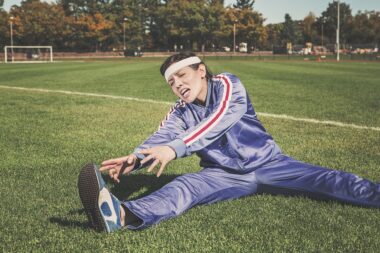
Static mobility drills are vital for athletes aiming to improve overall flexibility and muscle length. These exercises involve holding specific positions for extended periods, allowing muscles to elongate and promote relaxation. Common static drills include quadriceps stretch, hamstring stretch, and butterfly stretch, which help improve muscle elasticity and joint mobility. Integrating static mobility drills into training helps athletes recover after intense workouts, reducing muscle soreness and promoting better mobility. Furthermore, practicing these drills enhances an athlete’s range of motion, unlocking the potential for improved performance in their respective sports. Among the key outcomes is the increased ability to execute complex movements with greater ease and efficiency, ultimately leading to better results in competitions. Static drills may also facilitate mental relaxation and focus, encouraging a mindful approach to athletic training. Athletes, however, should be cautious about the timing of static stretches; ideally, they should be performed after workouts or games. Engaging in static stretching before high-intensity activities can lead to temporary strength depletion. Therefore, understanding the right timing for these mobility drills can greatly influence an athlete’s ability to perform at their peak effectively. Consistent practice fosters long-term benefits.
Both dynamic and static mobility drills play vital roles in an athlete’s training regimen. The choice between them often depends on the specific sport and individual goals. Some sports, like gymnastics or martial arts, emphasize flexibility, thus requiring a balanced approach. However, athletes in explosive sports, like sprinting or football, may focus largely on dynamic drills to maximize performance. Ultimately, a well-rounded training program that incorporates a variety of mobility drills can ensure athletes achieve comprehensive benefits. Athletes need to understand their unique needs based on their sport’s demands. Flexibility can enhance performance, but it must be paired with strength and stability. To create an effective training regime, athletes should assess their range of motion and set achievable flexibility goals. Additionally, recovery time is essential; athletes should not overdo these drills to prevent injuries. Gradual progression in the intensity and duration of mobility drills ensures that the body’s adaptation occurs safely. Engaging with a knowledgeable coach can help guide athletes in designing the best blend of dynamic and static drills, maximizing their potential while keeping injury risks to a minimum. With informed decisions, athletes can enhance their agility.
Combining Drills for Optimal Results
To optimize mobility and performance, athletes should consider combining both dynamic and static drills into their training sessions. Coordinate warm-up routines with dynamic drills to prepare muscles for activity, followed by static drills post-exercise to assist recovery. This combination creates a balanced routine that effectively promotes flexibility and mobility. Athletes can begin their workouts with dynamic movements like high kicks and torso twists, which activate the body and enhance circulation. After the session, they can shift to static stretches to help lower the heart rate and facilitate muscle recovery. Implementing a structured routine allows athletes to benefit from the unique characteristics of both drill types, leading to improved athletic performance. Additionally, they can customize their combinations based on individual needs and training schedules. By tracking progress meticulously, athletes can identify which combinations yield the best results for their agility, strength, or endurance. Both forms of mobility drills are paramount in maximizing performance potential. Athletes should continually reassess their training protocols, ensuring alignment with goals and sports requirements. Prioritizing dedicated time for these essential drills in training allows athletes to dominate both training sessions and competitions alike.
Incorporating mobility drills into an athlete’s training routine requires discipline and commitment. Athletes should allocate dedicated time to focus on both dynamic and static exercises, ensuring a comprehensive approach. Developing a routine that harmoniously combines both types of drills is essential for maximizing flexibility while minimizing the risk of injury. Coaches play a crucial role in guiding athletes through effective training methods, providing insights on when to implement each type of drill. Regular assessments should be integral to the athlete’s training, allowing for adjustments to mobility routines as performance evolves. Furthermore, setting specific, measurable goals can motivate athletes to maintain consistency and track results effectively. Engaging in mobility drills should not feel like a chore but rather a vital part of an athlete’s growth and development in their sport. Additionally, athletes should understand the importance of recovery and how mobility drills play a crucial role in this phase. After intense training sessions or competitions, proper recovery techniques, including static stretches, aid in the healing process. In conclusion, mastering both dynamic and static mobility drills is key for athletes looking to enhance their performance, achieve their fitness goals, and push their boundaries in every competition.
Summary of Effective Mobility Drills
In summary, understanding the differences between dynamic and static mobility drills is crucial for athletes. Dynamic drills serve primarily as warm-up activities designed to activate muscles and enhance blood flow, while static drills focus on promoting flexibility and aiding recovery. Each type of drill offers unique benefits essential for peak performance. Through effective incorporation of both types, athletes can ensure their training is robust with flexibility and mobility improvements. Key dynamic drills should involve functional movements that promote coordination, while static drills should target major muscle groups for optimal lengthening. These drills should be specific to each athlete’s needs, considering their sport and personal goals. Athletes must engage in consistent practice sessions while being attentive to their bodies to avoid overexertion. In doing so, they not only improve their flexibility and mobility but also enhance their overall athletic ability. Finally, athletes should seek guidance from coaches or professionals to construct individualized programs, combining these drills to maximize their effectiveness. By prioritizing both mobility and flexibility in their training, athletes can foster long-lasting improvements in performance, leading to greater success in their competitive endeavors.
In conclusion, integrating mobility drills tailored to the specific needs of athletes is vital for their performance and injury prevention. A comprehensive training approach must include both dynamic and static drills to ensure athletes can provide optimal flexibility and strength. Moreover, understanding how each type of drill functions and when to apply it within a training schedule amplifies benefits. By maintaining focus on both flexibility and mobility, athletes cultivate adaptable bodies ready for the demands of their sport. Regular practice brings visible results, encouraging athletes to push their limits, embrace challenges, and strive for excellence. Effective development of flexibility and mobility is a gradual process that requires patience and dedication. Athletes must remain committed to their training, continually assessing and adapting their routines based on their evolving needs. Whether dynamically warming up or stretching down statically, these drills are instrumental in any athlete’s journey towards improved performance. Establishing routines facilitates the embedding of these essential drills into daily practice. Ultimately, those who prioritize their mobility training reap the benefits, achieving personal bests and a competitive edge in their respective fields. This commitment to mobility signifies a deep respect for the athlete’s body, aligning training with an overall approach to health and performance.