
Cupping Therapy as an Alternative Approach to Enhance Fitness in Chronic Illness
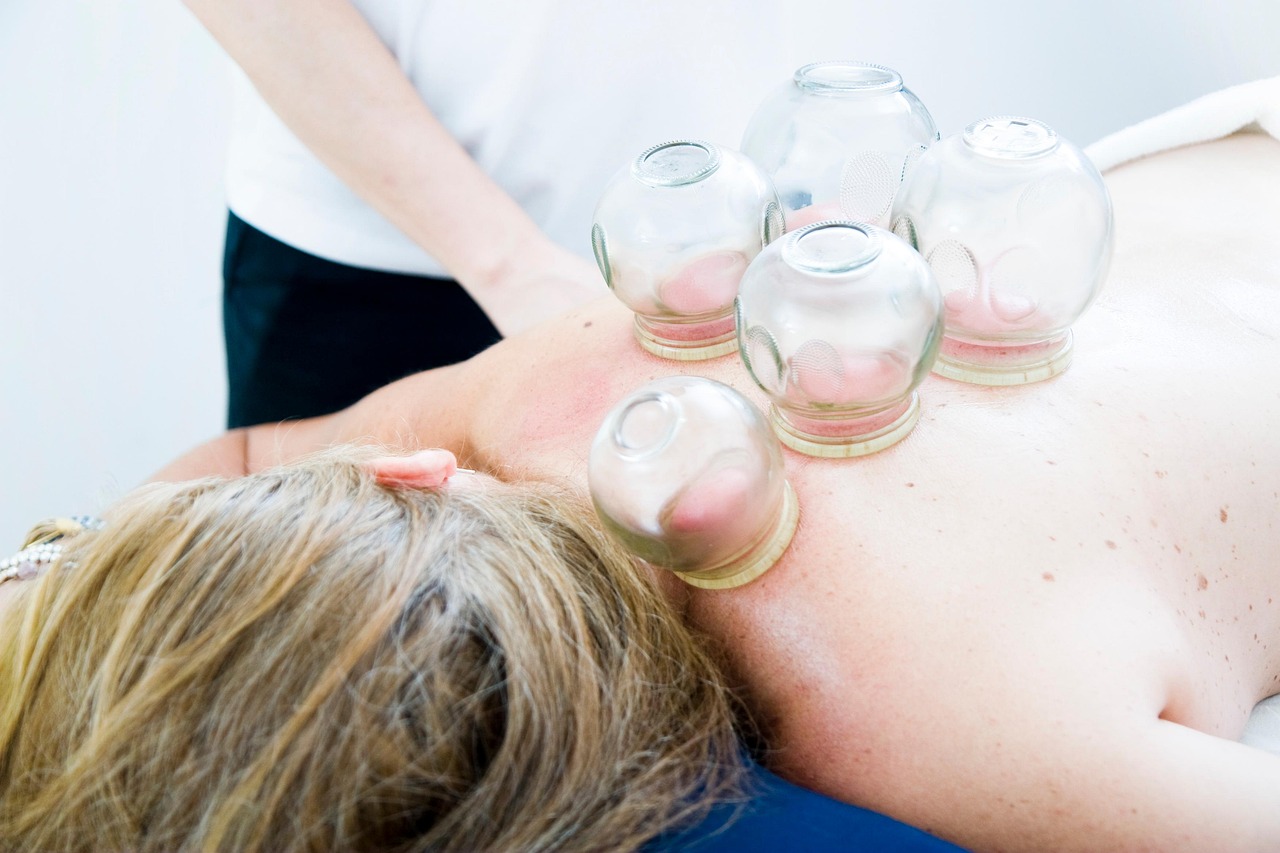
Cupping therapy is gaining recognition as an alternative treatment for chronic diseases. This therapy involves placing cups on the skin to create suction, which promotes blood flow and may accelerate healing. It dates back thousands of years in traditional Chinese medicine. Many individuals suffering from chronic illnesses often encounter persistent pain and fatigue, which can significantly affect their quality of life. By employing cupping therapy, patients may find some relief from these symptoms. Research suggests that the local blood circulation improvement allows for better oxygenation and nutrient delivery to tissues, potentially enhancing recovery. Moreover, for athletes or fitness enthusiasts, cupping may help improve muscle function, reduce soreness, and enhance performance. While scientific studies are still limited, anecdotal evidence from practitioners and patients indicates positive outcomes. Before starting any alternative therapy, it’s advisable to consult with healthcare professionals. They can offer tailored advice that considers the individual’s overall condition and existing treatment plans. Combining cupping with a balanced diet and regular exercise could maximally benefit those dealing with chronic illnesses. Understanding all aspects will help ensure safety in this healing process.
Many people are curious about how cupping therapy specifically impacts chronic illnesses and fitness. The therapy can be divided into two main types: dry cupping and wet cupping. Dry cupping creates a vacuum effect by using cups, while wet cupping also involves light incision on the skin to draw out a small amount of blood. Both methods aim to stimulate the body’s natural healing processes. By understanding each type’s distinct approach, patients can choose which method best suits their needs. This therapy not only alleviates pain but may also promote relaxation, thus reducing stress levels that are often compounded by chronic conditions. Stress management is vital for fitness and well-being. Cupping therapy may boost energy levels, allowing individuals to engage more actively in fitness programs. Regular sessions may enhance flexibility, reduce muscle tension, and improve range of motion. This is particularly beneficial for athletes and those who exercise regularly. As fitness becomes an integral part of managing chronic diseases, incorporating such therapies represents a holistic approach. By understanding the potential benefits of cupping therapy, patients can make informed decisions about their treatment options moving forward.
Scientific Insights into Cupping Therapy
Various scientific studies have begun to explore the efficacy of cupping therapy in enhancing well-being. Although more rigorous research is needed, preliminary results suggest that cupping may improve musculoskeletal pain and sports injuries. Studies found that participants receiving cupping reported a noticeable decrease in pain and an improved mobility range. In chronic diseases such as fibromyalgia or arthritis, reducing pain is crucial to improving overall fitness levels. The increased blood circulation from cupping may help in flushing out toxins and waste materials from the muscles. Hence, it serves a dual purpose of relieving existing discomfort while also promoting better recovery from exercise. Moreover, the psychological benefits of cupping therapy should not be overlooked. The relaxation of muscles during treatment can lead to decreased anxiety and stress levels. Furthermore, patients often feel more energized and motivated to pursue their fitness and health goals after treatment sessions. To safely integrate cupping therapy into fitness routines, individuals are encouraged to choose licensed practitioners. By doing so, they can maximize the beneficial effects while minimizing any risks associated with alternative therapies. Prioritize your health and explore options cautiously to make informed choices.
Fitness regimens for those with chronic illness often require careful planning and adjustments to suit individual needs. Cupping therapy may serve as a supplementary treatment that enhances the effectiveness of exercise programs. Patients often struggle with motivation due to fatigue and discomfort; thus, addressing underlying pain with cupping can pave the way for more active participation in physical activities. Incorporating light stretching or yoga after receiving cupping therapy can optimize results. This holistic approach connects both mind and body toward achieving better health outcomes. Before starting any new regimen, people are advised to monitor how their body reacts to treatments. Documenting experiences can help adjust both the therapy and exercise plan over time. Additionally, maintaining a balanced diet alongside physical activity can further enhance overall wellness. Those who engage in fitness while managing chronic diseases must prioritize listening to their bodies, ensuring they don’t overexert themselves. Collaborating with fitness trainers familiar with chronic conditions might also yield positive results, allowing for tailored programs that consider the unique needs of each individual. This partnership can help achieve sustainable fitness levels while managing chronic illnesses for improved lifestyle choices.
Personal Experiences and Testimonials
Many patients coping with chronic illnesses have shared positive experiences regarding cupping therapy, describing it as a game-changer. Some individuals report enhanced physical capabilities post-treatment, mentioning how it encourages them to pursue fitness activities. These testimonials often highlight decreased muscle soreness, allowing athletes to train harder and achieve their fitness goals. Engaging with a community or support circle can amplify these benefits, as shared experiences often provide motivation and tips for success. Patients also talk about the importance of finding a qualified practitioner who can assess their unique conditions and recommend targeted cupping techniques. This personal touch makes therapy more effective and personalized. Many have expressed a newfound sense of empowerment and control over their health journey. It is essential that individuals document their experiences to convey to healthcare providers for further guidance. Each story also contributes to a broader conversation that encourages more research into alternative therapies. By sharing their stories, patients can inspire others facing similar challenges. This growing body of testimonials serves as encouragement for exploring the wealth of options available in coping with chronic diseases. Embrace the process and share insights with others as you journey towards self-improvement.
Incorporating cupping therapy into a fitness routine does not mean abandoning traditional medical treatments. Instead, it represents a complementary strategy that fosters holistic healing. Collaborating with healthcare professionals ensures patients receive comprehensive care, especially when managing chronic diseases. It is critical to continuously evaluate the impact of cupping alongside other treatments. One can discover how best to balance these alternative methods to enhance overall well-being. Some patients may experience immediate relief, while others might take time to notice significant changes. Maintaining a journal to track symptoms and responses can provide insight into progress. Understanding that everyone’s journey is unique will help avoid unnecessary comparisons with others. Additionally, the mindset surrounding fitness and chronic illness is evolving; as awareness surrounding mental health grows, more alternative therapies are accepted in mainstream conversations. This shift encourages healthcare professionals to consider integrating complementary approaches such as cupping therapy into standard treatment options. Ultimately, achieving fitness while managing chronic illnesses is a journey requiring patience, dedication, and the right support systems. Individuals must prioritize their health journey and remain open to exploring various methods that yield the best outcomes for their lives.
Conclusion: Embracing Cupping Therapy
As interest in alternative therapies like cupping therapy continues to increase, it is important to create a supportive environment for those engaging in this journey. Patients with chronic diseases actively seeking solutions to improve their fitness should feel empowered to explore all available options. With the guidance of professionals and support from their communities, they can uncover beneficial practices tailor-fit for their needs. The combination of traditional medicine and alternative therapies offers new avenues for enhancing overall health. It is essential to understand that results may vary from person to person. Hence, open communication with healthcare providers regarding treatments is vital for optimal outcomes. Encourage ongoing education about cupping therapy, particularly its role in chronic disease management. Awareness campaigns can share valuable knowledge that helps those searching for effective ways to enhance their fitness journey. It is through understanding and accepting alternative therapies that a holistic approach to health and fitness can be achieved. As patients embrace cupping therapy, they join a growing movement of individuals advocating for integrative treatment methodologies in chronic disease management, ultimately striving for a better quality of life.
In conclusion, cupping therapy presents a unique and viable option for individuals looking to enhance fitness while managing chronic illnesses. Its rich historical background combined with emerging scientific insights features the potential benefits this therapy offers. While challenges in research persist, patient testimonials and experiences cannot be overlooked. Combining traditional medical practices with alternative therapies acts as a guide for deserving patients in their fitness journeys. Participants are encouraged to share findings and connect with others, creating a community that fosters health and wellness. When approaching fitness within the context of chronic disease, it remains vital to address both physical and emotional well-being. As fitness methodologies advance, the role of cupping therapy continues to gain traction. Ultimately, each individual holds the power to navigate their health choices, leading to informed decisions that enhance quality of life. By staying engaged, patients can discover both limitations and opportunities in their fitness pursuits. As the discourse surrounding alternative therapies evolves, the collective focus shifts toward creating methods that genuinely support individuals in their journey toward improved wellness. Cupping therapy, among other strategies, stands as a testament to the possibilities available for achieving a balanced lifestyle.