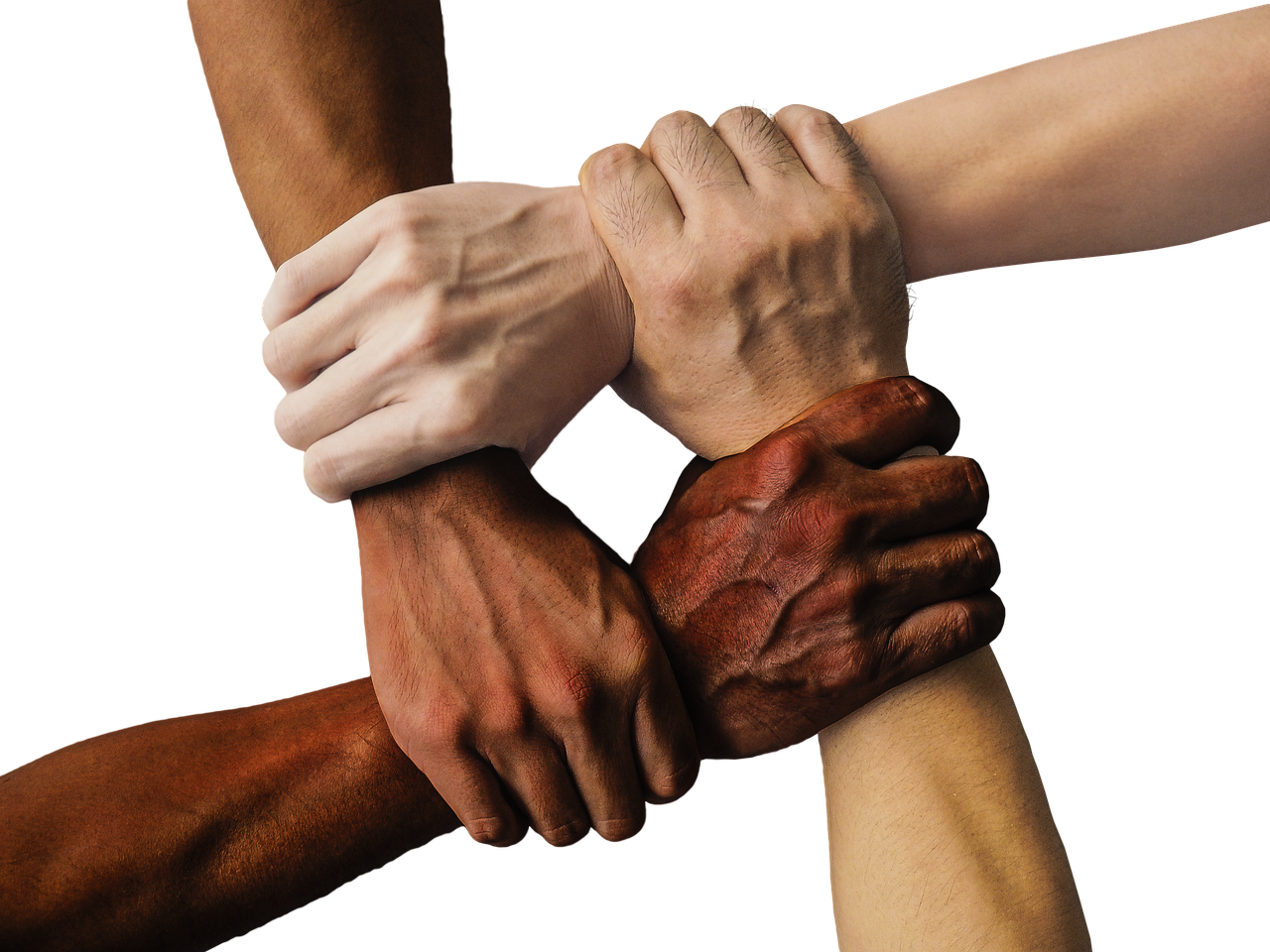

Building Inclusivity and Diversity Within Youth Athletics Teams
Inclusivity and diversity are essential components of building strong youth athletics teams. They foster an environment where all young athletes feel valued, respected, and supported. Embracing diversity helps to create a rich tapestry of experiences, perspectives, and talents. This inclusion is crucial for promoting acceptance in sports, ensuring that every individual, regardless of background, has an equal opportunity to participate, grow, and excel. Coaches and team leaders must actively seek to involve all athletes, irrespective of their abilities, cultural backgrounds, or gender identities. By implementing inclusive practices, teams can mitigate issues like discrimination and exclusion, ensuring that all participants find a sense of belonging. Establishing an inclusive culture requires education and training for coaches, athletes, and families to recognize and dismantle biases. Consider team-building exercises that highlight the importance of diversity in sports. Scheduling discussions on inclusion allows teammates to share their stories and experiences. Lastly, adopting inclusive policies and procedures can transform team dynamics, ensuring that all members can thrive within a supportive environment. By prioritizing inclusivity and diversity, youth athletics teams can enhance overall teamwork, improve morale, and cultivate a healthier athletic culture.
Another critical aspect of fostering inclusivity and diversity in youth athletics teams lies in education and awareness. Coaches and team leaders should engage in workshops that equip them with skills necessary for recognizing biases and implementing inclusive practices. Such educational initiatives can foster improved communication among athletes, helping them understand that diversity contributes positively to team dynamics. Teams should create awareness campaigns to highlight the importance of diversity, demonstrating how various backgrounds lead to different strengths. Sharing resources, such as articles or videos about successful inclusive athletic programs, can inspire teams to adopt similar practices. Additionally, partner with organizations dedicated to promoting equity in sports, as this creates new opportunities for outreach and explains the impact that inclusivity has on team performance. Athletes should actively participate in community programs that encourage inclusivity, connecting them with peers from various backgrounds. This kind of involvement can elevate players’ understanding of their responsibility to be advocates for inclusiveness. Regular team discussions about individual backgrounds and experiences can further strengthen bonds among teammates. In doing so, youth athletics teams will not only enhance their overall performance but also cultivate an enduring legacy of inclusivity and respect.
Creating an Inclusive Environment
To create an inclusive environment, youth athletics teams must establish clear guidelines and objectives that prioritize diversity at every level. Coaches should formulate policies that explicitly encourage involvement from all young athletes, regardless of their skill level, ethnicity, or any disabilities. Creating an open-door policy fosters trust between coaches and athletes, allowing open communication channels where everyone feels safe expressing their opinions and concerns. Additionally, hosting inclusive events, such as family nights or cultural exchange days, can help build community ties and cultivate understanding among athletes and their families. Encourage team members to celebrate their unique backgrounds through sharing games, traditions, or experiences during practice. Creating a supportive network also helps athletes form friendships that go beyond sports, ultimately promoting greater team cohesion. Furthermore, actively communicating the team’s values concerning inclusivity during recruitment efforts sets a positive tone for new members joining the squad. Evaluation of team dynamics through regular feedback sessions can help leaders identify areas needing improvement. By prioritizing inclusivity and creating a welcoming environment, youth athletics teams can inspire young athletes to work together, irrespective of their differences, fostering both personal growth and enhanced teamwork.
Team-building exercises play a vital role in strengthening bonds between youth athletes while also promoting inclusivity. Activities designed for groups can be tailored to ensure that all athletes are actively involved, regardless of gender, physical ability, or cultural background. Examples include collaborative relay races, problem-solving challenges, and trust-building initiatives. Through such activities, athletes not only learn to appreciate each other’s strengths but also build lasting friendships. Implementing mixed teams during training sessions encourages camaraderie and strengthens relationships, ensuring everyone plays an equal role. Additionally, consider organizing events that focus on learning new skills from enrichment activities, where athletes can exchange knowledge about their sports. This promotes growth and further reinforces the value of diverse experiences. Beyond strengthening athletic skills, team-building exercises emphasize values like respect and empathy. Practicing these principles allows team members to engage positively with one another. Moreover, recognize the efforts of those who excel in promoting inclusivity. Celebrating achievements encourages continued growth, and athletes will feel motivated to pursue teamwork regardless of differences. Teams will ultimately find their competitive edge through the power of collaboration and honoring each unique contribution made by diverse perspectives.
Involving Families in the Process
Engaging families in the journey towards inclusivity and diversity within youth athletics teams is essential for achieving collective goals. Families play a crucial role in shaping the experiences of young athletes, and their support can greatly influence a positive team environment. Organizing family-oriented events, workshops, or informational seminars will provide opportunities for collaboration between families and coaching staff. This engagement fosters understanding about the team’s commitment to inclusivity, ensuring everyone is on the same page. Encourage families to participate in discussions surrounding diversity and inclusivity, encouraging them to share their own experiences and perspectives. Teams should create a parental support network to promote communication among families, fostering teamwork that extends beyond the playing field. Encourage families to volunteer at practices and games, as this involvement fosters community and encourages kids to be proud and engaged in their team. Additionally, recognize and celebrate family contributions to promote a supportive atmosphere. Implement regular updates about team activities, emphasizing the importance of collaboration and unity within the team. By working together, families, coaches, and young athletes can build lasting connections that enrich the overall experience for everyone involved.
A key factor in sustaining inclusivity and diversity within youth athletics teams is establishing ongoing evaluation and improvement processes. Continuously assessing the effectiveness of inclusive practices allows teams to identify both strengths and areas for growth. Collect feedback from athletes and families regularly through surveys, focus groups, or team meetings. Open discussions on inclusivity create a safe environment for participants to express their thoughts, leading to meaningful adjustments when necessary. Coaches must be committed to refining their strategies and considering innovative ideas to meet the needs of all athletes. In addition, provide training sessions aimed at enhancing team members’ understanding of diversity, equity, and inclusion topics, focusing on their roles and responsibilities as advocates. Implement mentorship programs that connect seasoned athletes with younger teammates, fostering a sense of belonging and support. Recognizing the accomplishments of individuals who contribute to an inclusive atmosphere encourages others to follow suit. Moreover, documentation of changes made based on collected feedback serves as evidence of progress and commitment to inclusivity, inspiring ongoing dedication. By prioritizing continuous improvement, youth athletics teams can cultivate a thriving, diverse environment that empowers every athlete to reach their full potential.
Conclusion: The Future of Youth Athletics
In conclusion, the effort to build inclusivity and diversity within youth athletics teams is essential for fostering a supportive environment for all athletes. Prioritizing inclusive practices not only contributes to the growth of young individuals but also enhances team performance and sportsmanship. The implementation of policies promoting diversity creates an enduring atmosphere of respect and acceptance, benefiting all involved. Coaches, athletes, and families must continue to collaborate and support one another in the mission of inclusivity. Educational initiatives, such as workshops and community engagement, are vital for maintaining an open dialogue about the importance of diverse backgrounds in sports. Fostering relationships among team members helps strengthen both personal and team dynamics, as every athlete learns to appreciate their teammates’ distinct contributions. Continuous evaluation and improvement processes will allow teams to adapt and grow in response to the changing needs of participants. The commitment to embracing diversity and inclusivity in youth athletics is not only a moral obligation but also essential to developing a richer sporting community. As youth athletics continues to evolve, the leaders of tomorrow will emerge from a framework built on inclusivity, understanding, and support for one another.
As we look to the future, introducing even more diversity-centric initiatives can further enhance teams. For instance, developing programs focused on the inclusion of athletes with disabilities can open new avenues for participation. These specialized programs should promote awareness while fostering an environment where everyone feels welcome. Collaborating with organizations that specialize in adaptive sports can generate new strategies for creating inclusive opportunities. Implementing social action teams or committees made up of athletes can empower participants to take the lead in advocating for diversity initiatives. By offering young athletes a voice, teams can instill a sense of ownership in promoting inclusivity, leading to greater investment in team values. Furthermore, encouraging partnerships with local schools and community groups ensures a wider outreach for building inclusive programs. Sponsorship can expand resources for training and education, raising community awareness about the benefits of diverse sports environments. Ultimately, fostering inclusivity and diversity is an ongoing journey, requiring continuous effort from everyone involved. Together, by committing to these initiatives, youth athletics will pave the way for a brighter, more inclusive future. As teamwork becomes a defining trait, athletes will thrive in a vibrant community that celebrates every individual, regardless of differences.