
Building a Custom Dashboard for Tracking Fitness Progress
Creating a custom dashboard for tracking fitness progress is an essential step for anyone looking to achieve their health goals. By personalizing the dashboard, you can ensure it meets your unique requirements. The first step is to identify which metrics you want to track, such as weight, body fat percentage, or workout intensity. Make a list of these metrics to help guide your dashboard design. Next, you should consider which tools you have available for tracking your fitness data. Many people rely on apps or wearable devices to capture their progress. Analyzing the data collected can provide valuable insights. Customizing your dashboard allows you to visualize this data effectively, making trends easier to spot. It also empowers you to set specific goals and milestones. When you link your metrics with your goals, the tracking process becomes more engaging and motivating. Utilize graphics and charts that resonate with you. Choose colors and formats that inspire you to stay consistent. Remember that your dashboard should be fluid and adaptable to reflect evolving goals and experiences over time. A well-crafted dashboard promotes accountability and keeps you focused on your fitness journey.
When designing your fitness dashboard, simplicity is key. Overcomplicating the interface with excessive data can lead to confusion and demotivation. Start by selecting only essential metrics to display prominently. For added organization, categorize your metrics; for example, separate them into fitness categories like strength, endurance, or flexibility. Consider using tags to make navigation easier. As you build your dashboard, focus on usability. Choose an interface that is intuitive, allowing for quick updates and easy data entry. A clutter-free layout helps in keeping your attention on the metrics that truly matter. Incorporate reminders or alerts for physical activities or check-ins. This feature can significantly enhance your commitment to tracking. Whether you need to log a workout or analyze your eating habits, ease of data logging keeps you engaged. Using graphs or charts can provide visual motivation and creates a more engaging experience. Gamifying your progress further enhances motivation. You can include badges or achievements for reaching certain milestones. Remember, your dashboard is a personal tool; tailor it according to what encourages you to remain consistent with your fitness regime. Stay adaptable to maintain your engagement.
Integrating Wearable Technology
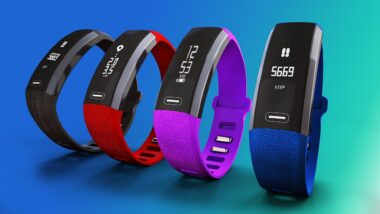
Wearable technology plays an essential role in customizing tracking systems for fitness enthusiasts. Devices such as fitness trackers and smartwatches can provide real-time data about your activity levels, sleep patterns, and even heart rate. Integrating data from these devices directly into your dashboard enhances accuracy. It’s vital to have a reliable way to collect and analyze your fitness data. Many apps allow you to sync your wearable device seamlessly with your dashboard. Once integrated, consider what information is most useful for your goals. Track specific workouts, monitor your recovery, and analyze trends over time. Create a log of activities to identify strengths and weaknesses in your fitness routine. By leveraging wearables, you can collect data during various activities, such as running, biking, or swimming. Real-time metrics help you adjust your workouts as needed. The more data you gather, the better you can formulate a structured workout program. Use this information to keep pushing towards your targets. Additionally, exploring advancements in wearable technology can provide further insights and features, keeping your fitness routine both innovative and effective. As technology evolves, so should your tracking configurations.
Data visualization is a pivotal aspect of any custom fitness dashboard. Effective visual representation of your data can help you easily understand patterns and correlations. Instead of just dumping numbers, leverage colors, charts, and graphs to convey your progress. Infographics can be immensely motivating, transforming complex data into digestible snapshots. Start with a simple line graph for tracking weight changes over time. This visualization clearly displays trends, showing when you’ve lost or gained weight. Portion control can be visually represented with pie charts to illustrate your macronutrient intake. Furthermore, consider showcasing your achievements prominently on your dashboard. Digital badges or awards act as positive reinforcement, enticing you to continue pushing towards your fitness goals. Incorporate motivational quotes or images to maintain enthusiasm. Remember that aesthetics are equally important as function; a visually appealing dashboard can significantly boost your morale. As you customize your data visuals, find a balance between analytical depth and visual clarity. An optimal blend will foster engagement, encouraging you to draw insights that motivate consistent action. Experiment with different styles until you find what resonates best. Ultimately, your personalized experience will empower you in your fitness journey.
Setting Realistic Goals and Milestones
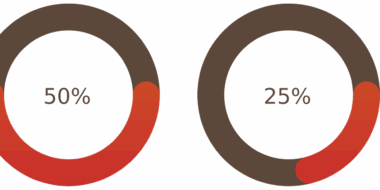
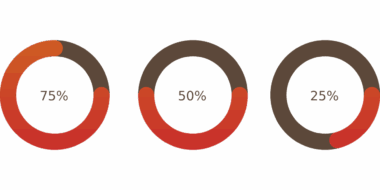
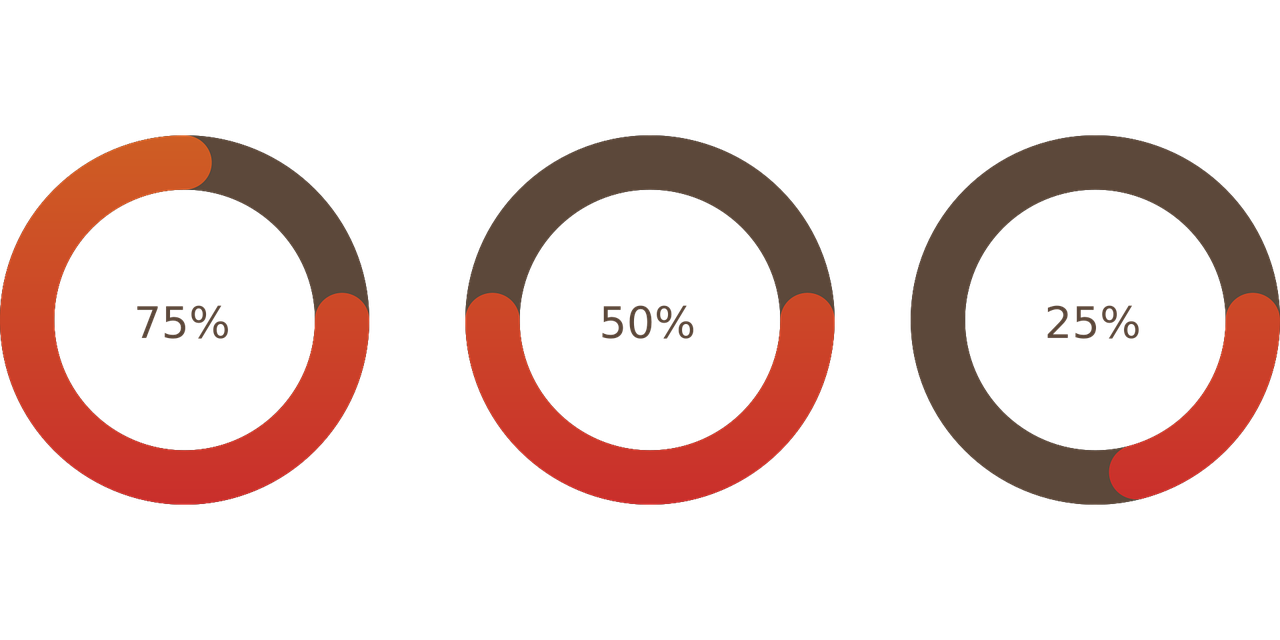
To ensure success in your fitness journey, establish realistic goals and milestones within your dashboard. This practice fosters accountability and keeps your motivation high. Start with SMART criteria—Specific, Measurable, Achievable, Relevant, and Time-bound. For instance, rather than a vague goal like ‘get fit’, aim for ‘lose 10 pounds in two months.’ Framing your goals in this manner creates a clear focus. Break larger goals into smaller milestones, allowing for a sense of accomplishment along the way. Setting up reminders on your dashboard will help you stay on track. Include visual progress bars or countdowns indicating time remaining for your goals. Celebrate your achievements, no matter how small. These celebrations can act as motivational boosts. Reflect regularly on your goals; adjust them if necessary based on your progress. A dynamic approach to goals allows your fitness regimen to evolve. This adaptability ensures that any discouragement won’t deter you from reaching your ultimate targets. Document any challenges faced; learning from setbacks can inform future strategies. Your custom dashboard can become a powerful tool for personal growth and accountability throughout your journey.
Consistency is the cornerstone of any successful fitness tracking system. By regularly updating your dashboard, you keep your progress visible and your motivation intact. Aim to log data daily or at least several times a week. This practice creates a routine, making tracking a habitual part of your fitness journey. Inconsistent logging can lead to gaps in data, hindering your ability to make informed decisions. Consider integrating prompts if you often forget to update your dashboard. These reminders will facilitate consistent usage over time. Leverage mobile accessibility; having your dashboard on your smartphone ensures you log workouts or meals on the go. The more frequently you interact with your tracking system, the more benefits you’ll reap. Recognize the patterns that emerge and use this knowledge to adjust your fitness strategies. Incorporate regular reviews to analyze your performance at week’s end. This review process allows you to reflect on successes and areas needing improvement. Feedback loops foster continuous growth. Accountability partners can also enrich your journey; share your dashboard with a friend for support. Together, you can motivate one another and stay committed to your goals.
Iterate and Improve
Building a custom dashboard for tracking fitness progress is not a one-time effort; it requires continual iteration and improvement. As you advance in your fitness journey, your needs and preferences may shift. Make it a habit to revisit your dashboard regularly to assess its effectiveness. Are the metrics you’re tracking still relevant? Do you find your visualizations engaging? Gathering feedback, either from yourself or your fitness community, can provide invaluable insights. Don’t hesitate to adjust the data displayed, ensuring it aligns with your evolving goals. Perhaps you need to add metrics on nutrition or recovery times; your dashboard should adapt accordingly. Experimenting with new tools can also enhance your tracking experience. Research additional applications or platforms that offer functionalities which complement your current system. Embrace change, and be open to incorporating technology. Keeping abreast of fitness trends involves staying updated with the latest research and tools in health and wellness. Ultimately, the goal is to maintain a system that serves you effectively. Your dashboard should inspire confidence and commitment as you work to achieve your fitness milestones.
Your custom dashboard is a reflection of your fitness journey. By tailoring it to your needs, you establish a powerful tool to support you in reaching your goals. The right combination of metrics, integration, and visualization sets the foundation for success. Use your dashboard not just as a tracker, but also as a motivator. Celebrate your victories, learn from your challenges, and maintain flexibility in your approach. This mindset will not only help you achieve but exceed your fitness goals over time. Having the right data at your fingertips keeps you informed and inspired. Make adjustments as necessary to keep your focus sharp and maintain your commitment. Remember to include elements that resonate with you personally and make your journey enjoyable. You have the ability to create a system that fits into your life seamlessly. Iterate and refine it until it becomes a source of pride. Encourage feedback along the way, and you’ll find that your dashboard evolves into an indispensable ally. Most importantly, enjoy every step of your fitness journey. The process is just as valuable as the results.