
Bodybuilding and Wellness Categories: What Judges Look For
Bodybuilding competitions are a celebration of physicality and aesthetics. The primary categories often include men’s and women’s physique divisions, among others, each evaluated by specific criteria. Judges seek contestants with remarkable symmetry, proportion, and muscular development reflective of dedicated training and nutrition. It’s crucial for competitors to understand the essence of their category and what impresses judges. First, athletes should familiarize themselves with posing routines that highlight their strengths. The routine should seamlessly showcase muscular definition, particularly in key areas like the arms, back, and legs. Judges also examine the overall presentation, which includes the competitor’s conditioning and stage presence. Competitors must embody an engaging persona that resonates with both judges and the audience. A well-thought-out tan can enhance physique visibility under stage lights, reinforcing defined muscle groups. Furthermore, nutrition leading up to the competition is critical; hydration and diet can significantly affect final appearance. Athletes often adopt specialized diets to achieve optimal body composition. Preparing for a show, competitors should also prioritize rest to maintain energy levels for peak performance. In conclusion, understanding your category is fundamental for success in bodybuilding competitions.
Within bodybuilding competitions, various categories exist to cater to differing aesthetics and physiques. One prominent category is Women’s Wellness, which emphasizes a well-proportioned, feminine physique. This division celebrates curves and overall health without the extreme muscularity found in traditional bodybuilding classes. Judges look for competitors who radiate confidence, poise, and have well-developed legs and glutes. Unlike the Figure division, the Wellness category allows for a bit more body fat, and judges appreciate a softer look while still showcasing muscle tone. To excel, participants should focus on lower body workouts and overall physical conditioning. Diet plays a pivotal role, as athletes need to manage calories to balance muscle and body fat. Moreover, posing techniques are vital in highlighting attributes uniquely appealing to this division. Athletes must craft routines that emphasize their best features, especially focusing on leg and glute definition. During competitions, body language is essential; competitors should project self-assurance and vitality. Thus, prospective Wellness competitors must carefully navigate training regimens and nutritional plans tailored to their objectives. Understanding the expectations is key to thriving in this rewarding yet challenging category.
Men’s Phsyique Category Insights
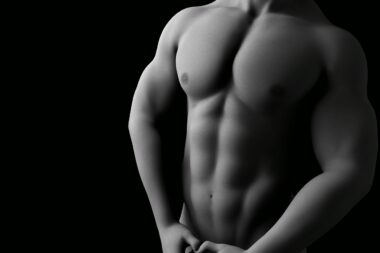
Men’s Physique is another dynamic category that distinguishes itself with a focus on a balanced and visually appealing physique. Unlike traditional bodybuilding, which often emphasizes extreme muscularity, Men’s Physique aims for a more athletic look, showcasing a beach-ready appearance. Contestants are typically judged on their upper bodies, with a focus on broad shoulders, defined chest, and a compact waistline. The ideal competitor presents a V-tapered silhouette, reflecting a combination of strength and aesthetics. Posing plays a significant role in standing out; competitors often perform in board shorts, which need to be stylish yet modest to promote the physique. Judges also appreciate good muscle definition, particularly in the upper body, ensuring contestants are well-defined without being overly bulked. Therefore, training should involve a balanced regimen, incorporating compound exercises that build overall strength and definition. Cardiovascular workouts are equally important to maintain a sleek physique while allowing for some body fat retention. Additionally, posing practice ensures athletes effectively highlight their physique’s advantages. Finally, proper diet and hydration strategies will enhance presentation on stage, and confidence throughout the competition will ultimately impact final scores.
Another prominent category in bodybuilding is the Classic Physique, which harkens back to the sport’s golden era. This division is characterized by a focus on aesthetic appeal, proportion, and a classic bodybuilding physique, emphasizing symmetry over sheer muscle mass. Successful competitors demonstrate a balanced combination of muscle size, conditioning, and stage presence. Judges typically favor competitors displaying a refined sense of proportion, featuring well-developed upper bodies, tapered waists, and strong legs. Posing skills assumed to embody the classic bodybuilder style, showcasing the physique artfully is essential in this category. Training routines for Classic Physique often integrate traditional bodybuilding techniques with an emphasis on volume and form. Athletes should focus on building muscle through compound lifts while maintaining a lean appearance. Nutrition-wise, participants often follow specific dietary regimens designed to enhance muscle retention while minimizing body fat. Attention to hydration in the final week is critical, as it can significantly influence how the muscles appear on stage. Competitors must channel the charisma and confidence fundamental to stand out among their peers, making presentation almost as important as physique itself in Classic Physique competitions.
Understanding the Judging Criteria
Judges in bodybuilding competitions have a rigorous set of criteria to assess each competitor thoroughly. Their main objective is to identify the athlete who best represents the standards and aesthetics of each division. The criteria often include overall muscularity, symmetry, condition, and stage presence. Competitors are not only evaluated on their muscular development but also how well they present themselves. For instance, symmetry is vital; it refers to how evenly developed both sides of the body are. Conditioning denotes the degree of body fat and muscle definition; athletes should strive to achieve a lean yet muscular appearance. Moreover, stage presence plays a crucial role as well; judges closely watch how athletes carry themselves on stage, their confidence coming across during comparisons. Consistency in posing and transitions also significantly affect scoring, as judges favor routines that flow smoothly. Performance techniques can elevate a competitor’s overall impression. Competitors should ask for feedback from trainers and previous athlete mentors to enhance their performance. Understanding these criteria clearly can aid participants in making strategic decisions regarding their training and presentation, fostering a better chance of achieving coveted recognition in competitions.
In bodybuilding competitions, participants also need to consider nutritional strategies leading up to the event. A successful diet hinges on caloric control and macronutrient timing. Carbohydrates, protein, and healthy fats must be balanced meticulously to maintain energy and optimize physique appearance. Carbohydrates fuel workouts and create glycogen stores, crucial for muscle fullness on stage. A common strategy includes cycling carbohydrates, tapering intake as the competition approaches to help deplete glycogen, then reintroducing them shortly before the event to enhance muscle size and improve definition. Protein intake is vital to maintain muscle mass while losing fat, often requiring adjustments to ensure daily intake meets training demands. Hydration practices are equally essential; competitors often manipulate fluid intake to optimize muscle definition while preventing dehydration during the event. Many athletes experiment with different diets to assess what works best for their bodies and needs. Consultation with nutritionists can provide vital support and tailored dietary advice. Ultimately, crafting a detailed nutrition plan aligned with training will enhance the competitor’s performance and physique, enabling them to present their best selves on stage.
Conclusion: The Road to Success
Successfully navigating bodybuilding competitions takes preparation, discipline, and dedication. Ensuring an athlete has an understanding of division-specific requirements allows participants to strategize effectively. Competitors need to balance training, nutrition, and mental fortitude throughout the preparation journey. Building a robust and athletic physique is only part of the equation; each competitor must also fine-tune their stage presence, posing techniques, and overall appeal. Investing time in mastering presentation skills can dramatically enhance scores during competitions. Furthermore, having an effective approach to diet and training regimens is essential; each aspect should work in synergy to promote optimal physiques. Many successful competitors maintain accountability through collaboration with coaches and fellow athletes to sustain motivation and learn valuable insights. Building a support network can assist in overcoming challenges encountered leading up to competitions. In conclusion, defining personal goals aimed at improving individual performance will lay the foundation for success in bodybuilding events. Those committed to structuring their journey in terms of training, nutrition, and mental preparation stand a higher chance of achieving admiration and accolades on stage, making the endeavor worthwhile.
This investment pays off as athletes gain self-confidence and experience, as well as potential recognition in bodybuilding culture. These competitions showcase individuals at their peak, demonstrating the commitment and hard work put into this art. Understanding the journey is as critical as the end results, as true growth occurs during the preparations leading up to the competition. Each competition season serves as a milestone on the road toward mastery in the sport.